What does an arborist actually do beyond “tree cutting”?
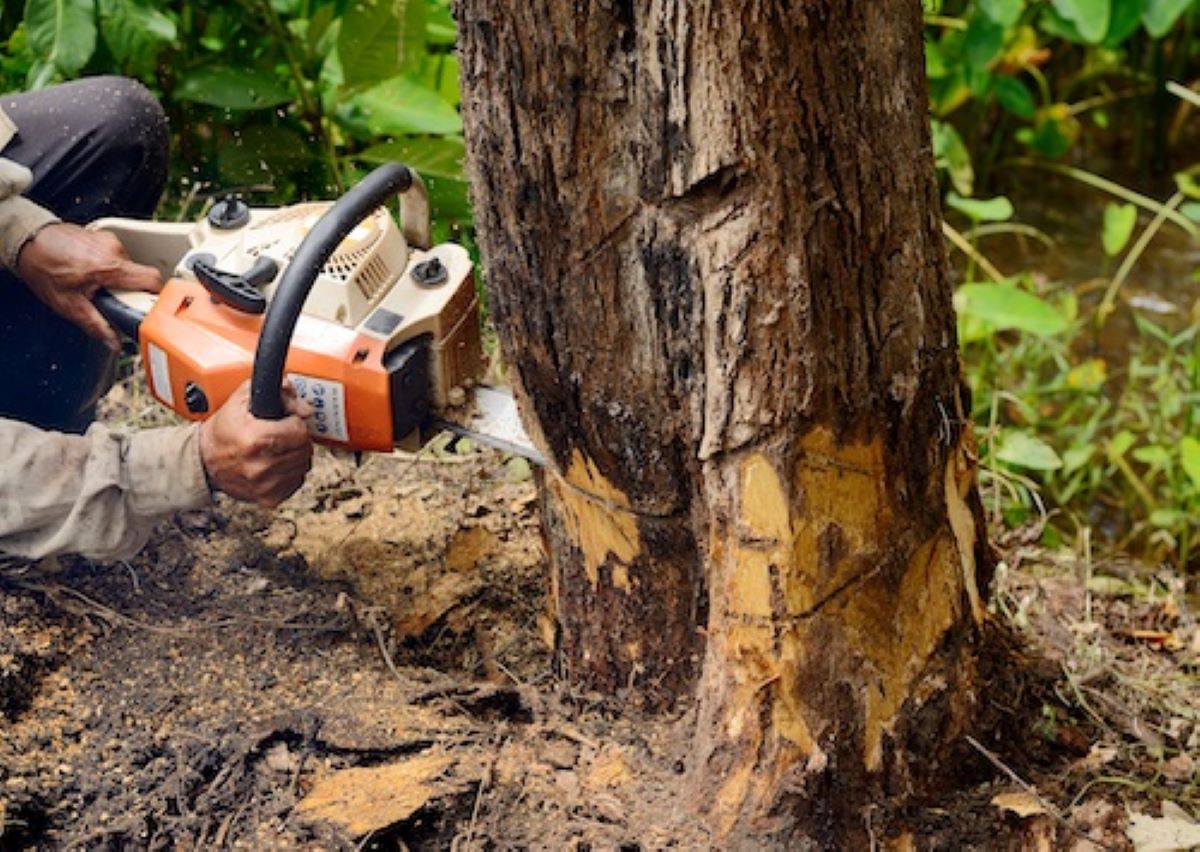
An arborist assesses tree health, structural stability, and risk, then chooses the least invasive work that achieves safety. Their role includes pruning, removal, disease diagnosis, soil and root care, cabling and bracing, and storm response.
A true arborist is there to manage living assets. Cutting is only one tool, and often not the first one.
Why is “North Shore experience” important for safe outcomes?
Local experience matters because species, weather patterns, soil types, and council regulations vary by area. Choosing professional tree services North Shore residents trust means working with a team that understands common local issues like wind exposure, coastal salt stress, and recurring storm damage patterns.
Experienced tree services North Shore providers also recognise typical property constraints such as tight access, neighbouring fences, and close proximity to houses, all of which affect rigging methods and safe drop zones.
How can they confirm the arborist is qualified and insured?
They should ask for proof, not promises. A qualified operator can explain their training, provide certification details, and show current insurance documents.
At minimum, they should hold public liability insurance suitable for tree work. If staff are involved, they should also have appropriate worker cover. If they hesitate or provide vague answers, it is a strong sign to keep looking.
What questions should they ask before booking any tree work?
They should ask how the job will be done, not just what will be done. Good questions include: What is the risk they are addressing, and what alternatives were considered? How will they protect nearby structures, gardens, and neighbours? Who will be onsite, and who is supervising?
They should also ask what cleanup is included, whether stump grinding is separate, and how green waste will be removed.
How do they spot red flags in quotes and recommendations?
A suspicious quote is often either extremely cheap or extremely vague. If a contractor recommends topping, heavy lopping, or “cutting it back hard to be safe” without discussing structure, that is a concern. Topping can create weak regrowth, decay, and higher future risk.
They should be wary of anyone who will not inspect the tree in person, pressures for immediate decisions, or cannot explain the plan clearly.
How should they compare arborist quotes fairly?
They should compare scope, method, and risk controls, not just price. A safer quote may include rigging, traffic management, extra crew, and a climber rather than relying on unsafe ladder work.
They should check whether the quote includes waste removal, log splitting, mulch, stump grinding, and any follow up. They should also confirm whether the price changes if hidden defects are found once work begins.
What safety practices should a good arborist describe upfront?
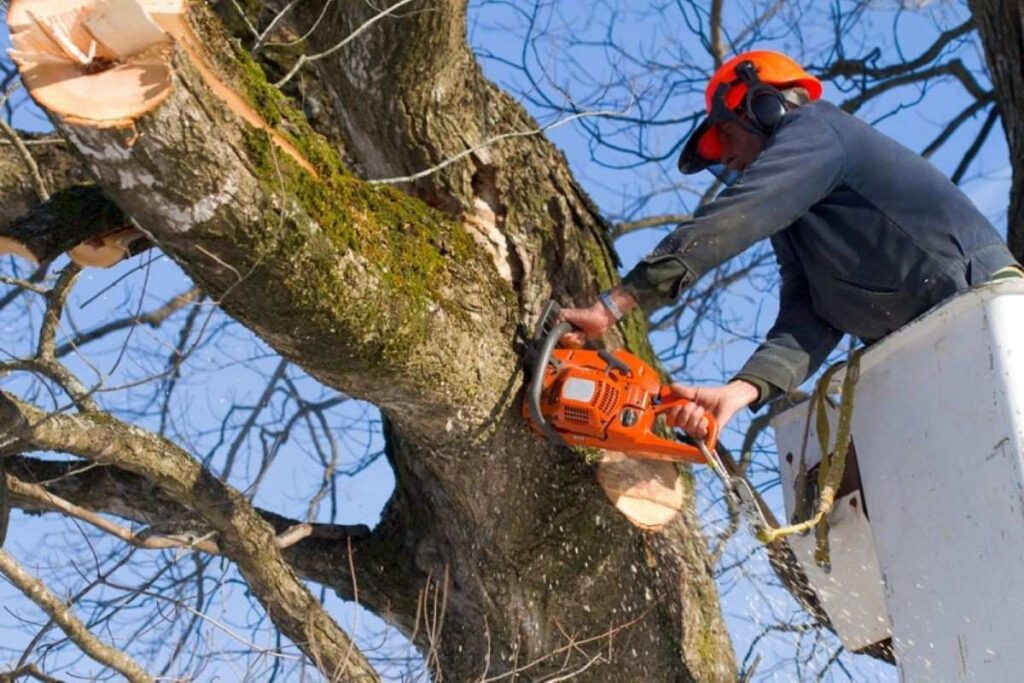
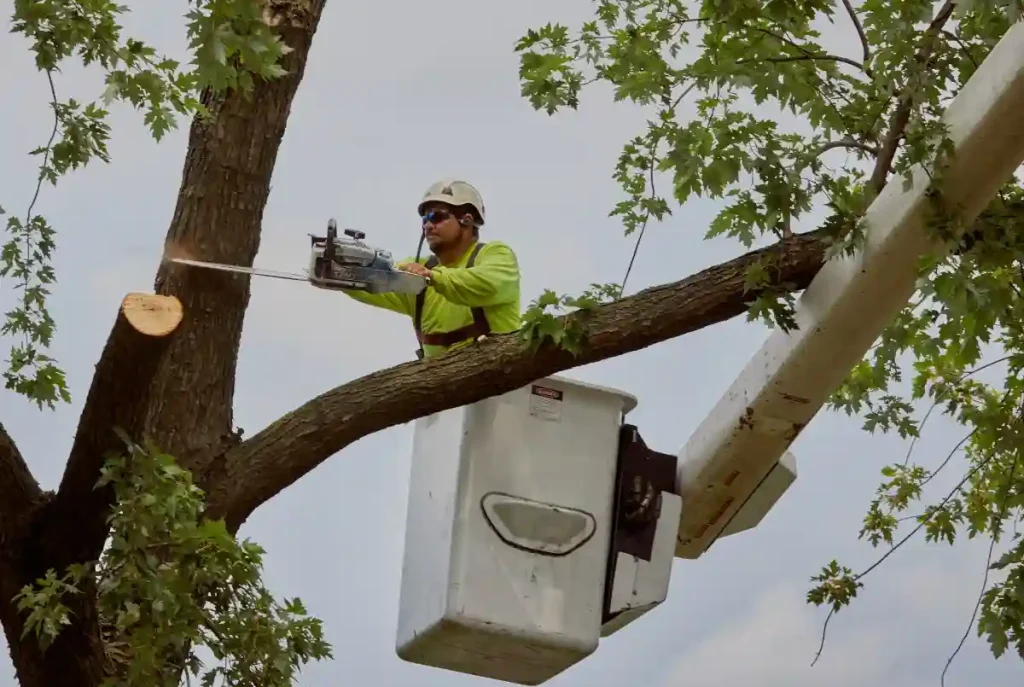
They should be able to explain how they will manage falling timber, equipment, and public safety. This includes establishing exclusion zones, using correct rigging, and controlling drop direction. For complex jobs, they may use cranes, elevated work platforms, or sectional dismantling.
They should also discuss what happens near powerlines, because that work may require special clearance rules and coordination with the network provider.
When is pruning safer than removal, and who decides?
Pruning is often safer and better for the tree when the goal is clearance, deadwood removal, weight reduction, or improving structure. Removal is usually reserved for dead, hazardous, severely compromised, or poorly located trees where risk cannot be reduced adequately.
A responsible arborist explains the trade-offs and recommends the minimum intervention that achieves safety. They should document why removal is needed if that is their recommendation.
How can they ensure the work protects the tree’s long term health?
They should confirm pruning standards and ask how much canopy will be removed. Over-pruning can stress trees, trigger weak shoots, and increase sunburn and decay. A skilled arborist makes clean cuts in the right locations and avoids stripping interior growth unnecessarily.
They should also consider timing, because some species respond poorly to heavy work during certain seasons or heat.
What about council rules, neighbours, and protected trees?
They should ask early whether permits are required, especially for protected species, significant trees, or work in sensitive zones. A local arborist should be familiar with common permission pathways, but the responsibility still needs to be clear.
They should also discuss neighbour impacts like boundary trees, shared fences, access, noise, and debris. Clear communication prevents disputes and delays.
What should they expect on the day of the job?
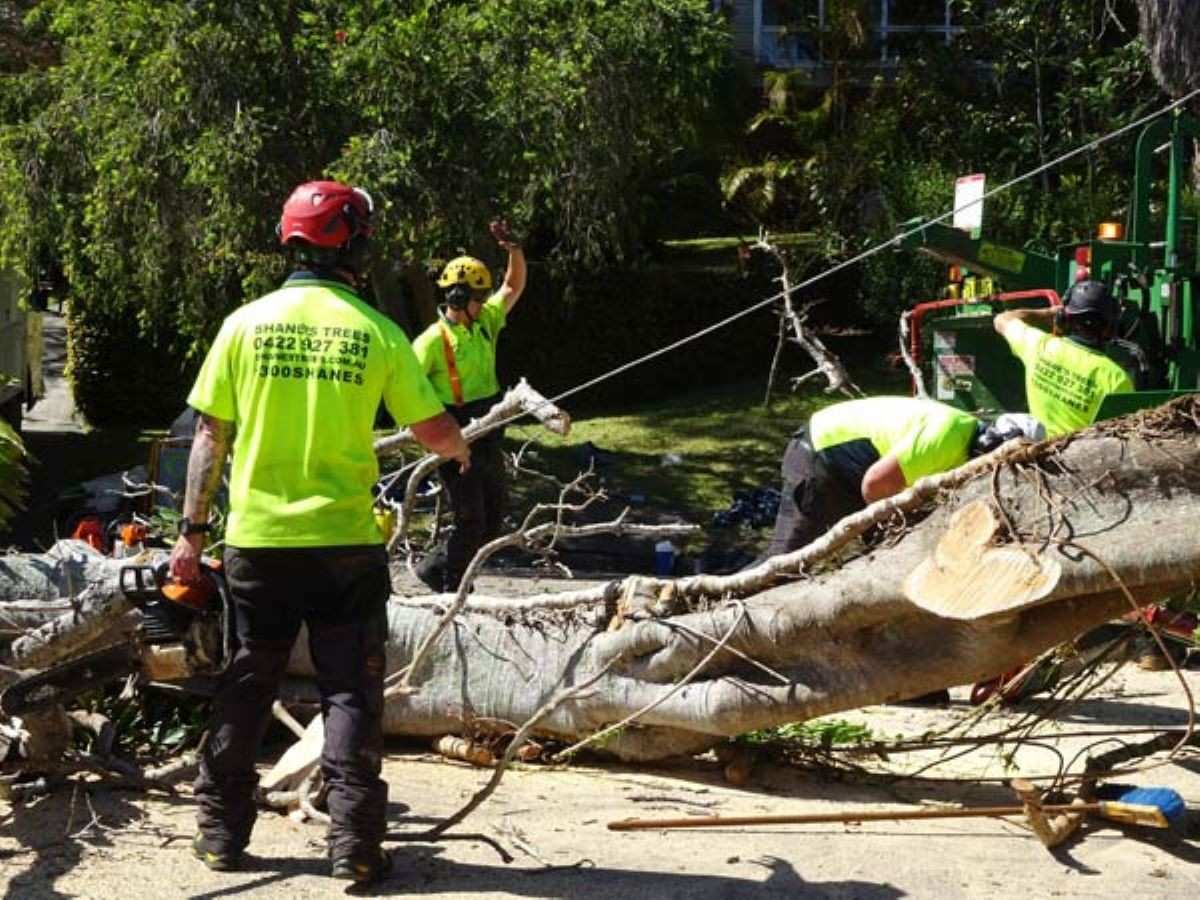
They should expect a brief site review, confirmation of the scope, and a clear safety setup before cutting starts. A professional crew arrives with PPE, signage if needed, and equipment suited to the plan, not improvised tools.
They should also expect tidy progress: controlled lowering of sections, protection for lawns and garden beds where practical, and a final cleanup that matches the quote.
How do they choose the right arborist North Shore with confidence?
They should choose the operator who can explain risks, show qualifications and insurance, and provide a clear, safety-first method statement. The right arborist North Shore will recommend the least aggressive option that achieves safety, then execute it with disciplined site control.
If they feel rushed, confused, or pressured, it is safer to pause and get another assessment.
Related : How Professional Tree Services Hornsby Improve Long-Term Tree Health
FAQs (Frequently Asked Questions)
What services does a professional arborist North Shore provide beyond basic tree cutting?
A professional arborist North Shore assesses tree health, structural stability, and risk before selecting the least invasive work to ensure safety. Their services include pruning, removal, disease diagnosis, soil and root care, cabling and bracing, and storm response. They focus on managing living assets rather than just cutting trees.
Why is choosing an arborist with North Shore experience important for safe and effective tree maintenance?
Local North Shore experience is crucial because it ensures familiarity with species, weather patterns, soil types, and council regulations unique to the area. An experienced arborist understands local challenges such as wind exposure, coastal salt stress, storm damage patterns, and property constraints like tight access or proximity to houses, all of which influence safe rigging and drop zones.
How can I verify that an arborist North Shore is qualified and properly insured?
You should request proof of qualifications and insurance rather than relying on promises. A qualified arborist can explain their training, provide certification details, and show current public liability insurance suitable for tree work. If they have staff, appropriate worker cover should also be in place. Hesitation or vague answers are red flags to seek another operator.
What key questions should I ask an arborist before booking any tree maintenance work?
Ask how the job will be done—not just what will be done. Inquire about the risks being addressed and alternatives considered; how nearby structures, gardens, and neighbours will be protected; who will be onsite and supervising; cleanup procedures; whether stump grinding is included or separate; and how green waste will be managed.
How do I identify red flags in arborist quotes or recommendations on the North Shore?
Beware of quotes that are extremely cheap or vague. Recommendations for topping, heavy lopping, or aggressive cutting without discussing tree structure are concerning because topping can cause weak regrowth and decay. Avoid operators who won’t inspect the tree in person, pressure you for immediate decisions, or cannot clearly explain their plan.
What safety practices should a reputable North Shore arborist describe before starting work?
A reputable arborist will explain how they manage falling timber, equipment use, and public safety by establishing exclusion zones, using proper rigging techniques, and controlling drop directions. For complex jobs they may employ cranes or elevated platforms. They should also discuss protocols near powerlines including clearance rules and coordination with network providers to ensure compliance and safety.