
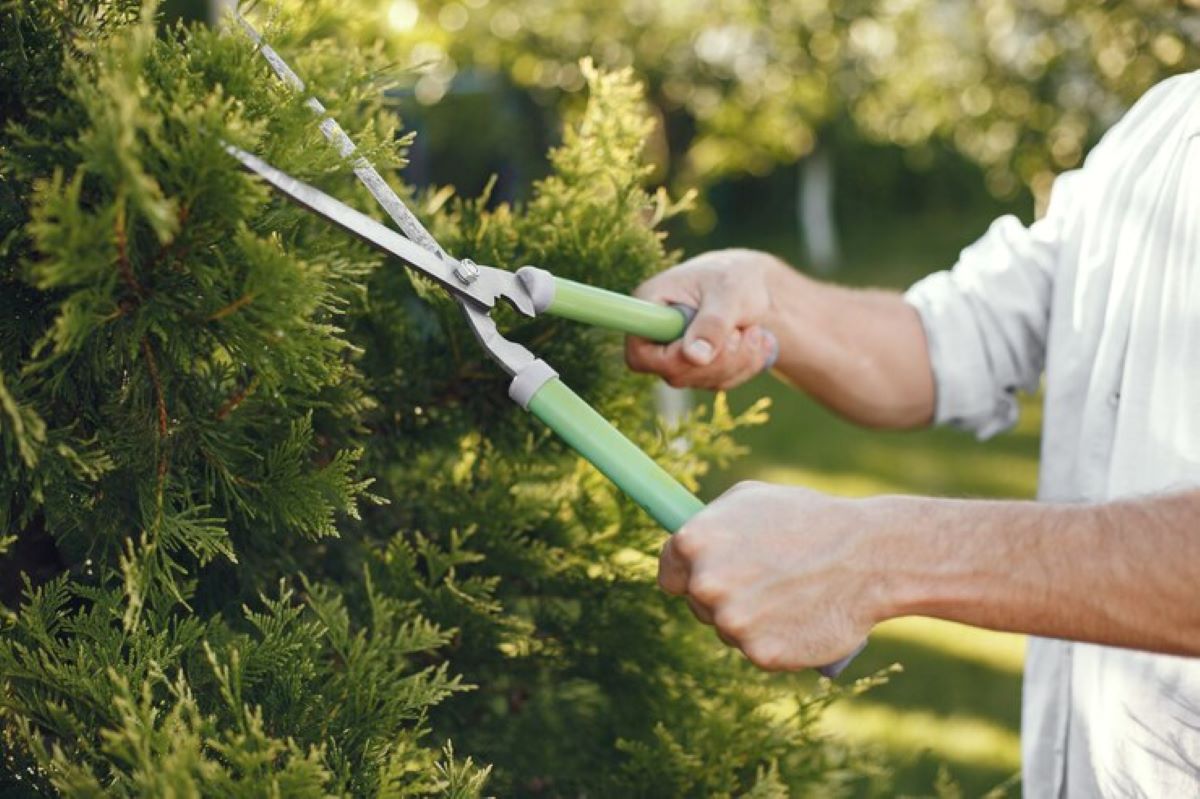
Tree Pruning North Shore: Maintaining Tree Health in Coastal Conditions

Tree Pruning Services Near Me

Done well, pruning helps trees stay safer, live longer, and recover faster after rough weather. Done poorly, it can invite pests, rot, and long-term decline.

What makes North Shore coastal conditions tougher on trees?

Coastal exposure dries foliage and burns leaf edges through salt-laden wind, which is why tree pruning North Shore often focuses on strengthening trees against harsh coastal conditions. Strong gusts also create constant movement that can crack weak unions, peel bark, and snap overextended limbs.

Sandy or disturbed soils often drain fast and hold fewer nutrients, so trees may grow with less vigor and slower wound response. That combination means pruning should focus on resilience, not heavy cutting.

Why does pruning matter more near the coast?

Pruning is one of the few controllable tools to reduce wind sail and prevent storm failures. By selectively thinning and correcting structure, they can lower the chance of large limbs tearing out.

It also improves light and airflow through the canopy, which helps reduce fungal pressure in humid coastal pockets. Most importantly, correct pruning cuts preserve the tree’s natural defenses.

When is the best time to prune trees on the North Shore?

The best timing depends on species, health, and goals, but most routine pruning is best scheduled when trees are not under peak stress. For many species, late winter to early spring supports good recovery before strong growth begins.

They should avoid pruning during heatwaves, drought periods, or right before forecast storms. Flowering trees may need timing that protects next season’s blooms, so species-specific planning matters.

How should pruning be adjusted for salt wind and storm exposure?

In coastal sites, pruning should prioritize strong structure and balanced weight. They typically remove deadwood, reduce long lever arms, and lessen end weight on exposed limbs to limit tearing in gusts.

They should avoid aggressive “storm pruning” or topping, because it often triggers weak, fast regrowth that fails later. A slower, staged approach builds strength without shocking the tree.

What are the most important cuts for long-term tree health?

The most valuable cuts are small, targeted, and made at the correct location. They should remove dead, diseased, and rubbing branches first, then address structural issues like co-dominant stems and weak branch unions.

They should keep the branch collar intact and avoid flush cuts, because collars contain protective tissue that helps close wounds. Fewer, better cuts usually beat lots of random thinning.

Which common pruning mistakes cause the biggest coastal problems?

Topping is one of the worst mistakes, especially in windy areas. It creates decay points, forces dense weak shoots, and increases future failure risk.

Over-thinning is another issue because it exposes inner branches to sun and salt wind, leading to scorch and dieback. Cutting too much at once also drains stored energy, which is risky in nutrient-poor coastal soils.

How can they tell whether a tree needs pruning or removal?

If the tree has manageable defects, pruning and support may be enough. Signs that pruning may help include deadwood, crossing branches, one-sided canopies, low clearance issues, or early cracks at branch unions.

Removal becomes more likely when there is extensive decay, major root plate movement, severe lean with soil heaving, or repeated large failures. They should use a qualified assessment before deciding, especially for trees near homes. Click here to learn more about Australia’s forest policies.

What does a good North Shore pruning plan look like?

A solid plan starts with clear objectives: safety clearance, storm resilience, canopy health, or shape. Then it sets limits, such as removing no more than about 10 to 20 percent of live canopy in a visit for many mature trees, depending on species and condition.

They should also schedule follow-ups rather than trying to “finish” everything at once. Coastal trees often respond best to gradual correction.

How should they choose a tree pruning service on the North Shore?

They should look for proper training, safe work practices, and a pruning approach that avoids topping and respects tree biology. A good provider explains what they will remove and why, and they can describe the expected outcome over one to three years.

They should also confirm insurance, working-at-heights safety, and whether protected trees require local approvals. Clear written quotes and a tidy cleanup process also signal professionalism.

What should they do after pruning to support recovery?

After pruning, trees recover best with steady moisture and minimal added stress. They should water during dry spells, mulch correctly to moderate soil temperature, and avoid piling mulch against the trunk.

They should also monitor for dieback, pests, and storm damage in the following months. If they see sap bleeding, new cracks, or sudden leaf drop, an arborist review helps catch problems early.
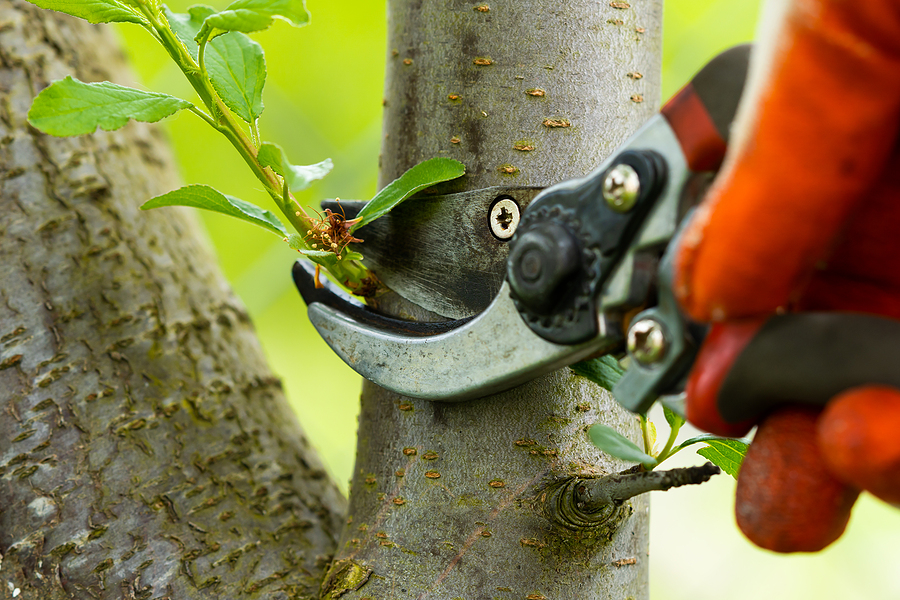
Fruit Tree Pruning Near Me

What is the simplest way to keep coastal trees healthy year-round?

Consistent light maintenance beats occasional heavy pruning. Annual or biennial inspections, small corrective cuts, and early structural training on young trees reduce costly failures later.

On the North Shore, the goal is not a perfectly sculpted canopy. It is a stable, well-spaced structure that can handle salt wind, strong weather, and seasonal stress without breaking down.

More to Read : How to Choose the Best Tree Pruning Services Sydney for Large Properties

FAQs (Frequently Asked Questions)

What challenges do North Shore coastal conditions pose to tree health?

North Shore coastal conditions expose trees to salt-laden winds that dry foliage and burn leaf edges, strong gusts that cause constant movement leading to cracked unions and snapped limbs, and sandy soils that drain quickly and hold fewer nutrients. These factors result in slower growth and wound recovery, requiring pruning focused on resilience rather than heavy cutting.

Why is specialized pruning important for trees near the North Shore coast?

Pruning near the coast is crucial to reduce wind sail, prevent storm damage, and enhance tree structure. Selective thinning lowers the risk of large limb failures, improves light and airflow reducing fungal pressure, and preserves the tree’s natural defenses through proper cuts tailored to coastal stressors.

When is the optimal time to prune North Shore coastal trees?

The best time to prune depends on species, health, and goals but generally falls in late winter to early spring when trees are not under peak stress. This timing supports good recovery before active growth. Avoid pruning during heatwaves, droughts, or immediately before storms. For flowering species, plan pruning to protect next season’s blooms.

How should pruning techniques be adapted for salt wind and storm exposure on the North Shore?

Pruning should prioritize building strong structure and balanced weight by removing deadwood, reducing long lever arms, and lessening end weight on exposed limbs to minimize breakage in gusts. Avoid aggressive topping or storm pruning as it promotes weak regrowth; instead, use a gradual staged approach to strengthen trees without causing shock.

What are the key pruning cuts that promote long-term health of coastal trees?

Effective pruning involves small, targeted cuts made at correct locations—removing dead, diseased, or rubbing branches first followed by addressing structural issues like co-dominant stems or weak unions. Maintaining the branch collar intact is vital since it contains protective tissue aiding wound closure. Quality over quantity in cuts ensures better tree health.

What common pruning mistakes should be avoided for coastal trees on the North Shore?

Avoid topping as it creates decay points, dense weak shoots, and increases failure risk especially in windy areas. Over-thinning exposes inner branches to sun and salt wind causing scorch and dieback. Excessive cutting drains stored energy critical in nutrient-poor soils. Proper pruning respects tree biology and minimizes stress for healthier coastal trees.
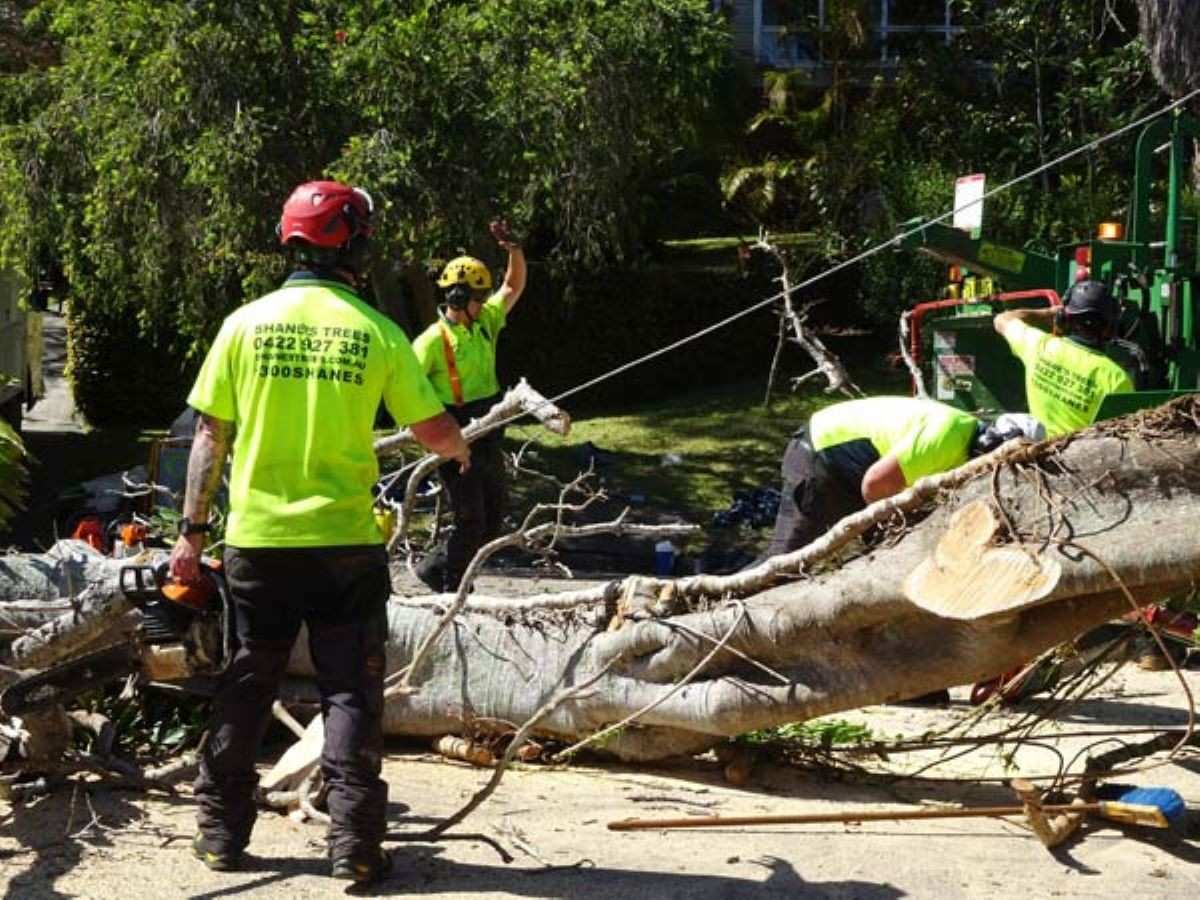
Choosing the Right Arborist North Shore for Safe Tree Maintenance

stump grinding

What does an arborist actually do beyond “tree cutting”?

An arborist assesses tree health, structural stability, and risk, then chooses the least invasive work that achieves safety. Their role includes pruning, removal, disease diagnosis, soil and root care, cabling and bracing, and storm response.

A true arborist is there to manage living assets. Cutting is only one tool, and often not the first one.

Why is “North Shore experience” important for safe outcomes?

Local experience matters because species, weather patterns, soil types, and council regulations vary by area. Choosing professional tree services North Shore residents trust means working with a team that understands common local issues like wind exposure, coastal salt stress, and recurring storm damage patterns.

Experienced tree services North Shore providers also recognise typical property constraints such as tight access, neighbouring fences, and close proximity to houses, all of which affect rigging methods and safe drop zones.

How can they confirm the arborist is qualified and insured?

They should ask for proof, not promises. A qualified operator can explain their training, provide certification details, and show current insurance documents.

At minimum, they should hold public liability insurance suitable for tree work. If staff are involved, they should also have appropriate worker cover. If they hesitate or provide vague answers, it is a strong sign to keep looking.

What questions should they ask before booking any tree work?

They should ask how the job will be done, not just what will be done. Good questions include: What is the risk they are addressing, and what alternatives were considered? How will they protect nearby structures, gardens, and neighbours? Who will be onsite, and who is supervising?

They should also ask what cleanup is included, whether stump grinding is separate, and how green waste will be removed.

How do they spot red flags in quotes and recommendations?

A suspicious quote is often either extremely cheap or extremely vague. If a contractor recommends topping, heavy lopping, or “cutting it back hard to be safe” without discussing structure, that is a concern. Topping can create weak regrowth, decay, and higher future risk.

They should be wary of anyone who will not inspect the tree in person, pressures for immediate decisions, or cannot explain the plan clearly.

How should they compare arborist quotes fairly?

They should compare scope, method, and risk controls, not just price. A safer quote may include rigging, traffic management, extra crew, and a climber rather than relying on unsafe ladder work.

They should check whether the quote includes waste removal, log splitting, mulch, stump grinding, and any follow up. They should also confirm whether the price changes if hidden defects are found once work begins.

What safety practices should a good arborist describe upfront?

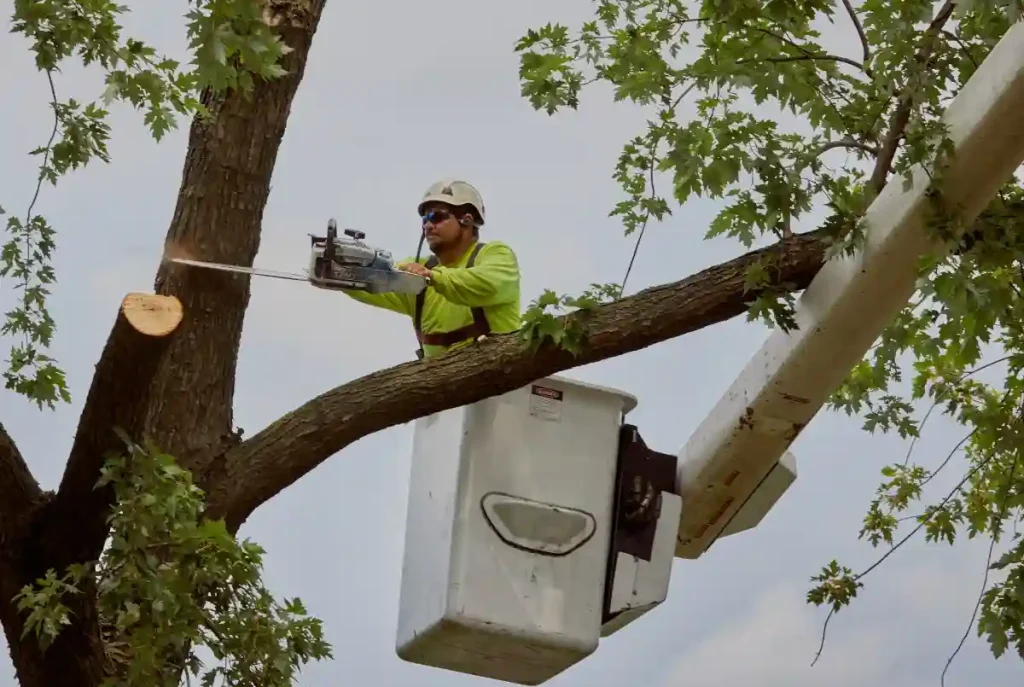
They should be able to explain how they will manage falling timber, equipment, and public safety. This includes establishing exclusion zones, using correct rigging, and controlling drop direction. For complex jobs, they may use cranes, elevated work platforms, or sectional dismantling.

They should also discuss what happens near powerlines, because that work may require special clearance rules and coordination with the network provider.

When is pruning safer than removal, and who decides?

Pruning is often safer and better for the tree when the goal is clearance, deadwood removal, weight reduction, or improving structure. Removal is usually reserved for dead, hazardous, severely compromised, or poorly located trees where risk cannot be reduced adequately.

A responsible arborist explains the trade-offs and recommends the minimum intervention that achieves safety. They should document why removal is needed if that is their recommendation.

How can they ensure the work protects the tree’s long term health?

They should confirm pruning standards and ask how much canopy will be removed. Over-pruning can stress trees, trigger weak shoots, and increase sunburn and decay. A skilled arborist makes clean cuts in the right locations and avoids stripping interior growth unnecessarily.

They should also consider timing, because some species respond poorly to heavy work during certain seasons or heat.

What about council rules, neighbours, and protected trees?

They should ask early whether permits are required, especially for protected species, significant trees, or work in sensitive zones. A local arborist should be familiar with common permission pathways, but the responsibility still needs to be clear.

They should also discuss neighbour impacts like boundary trees, shared fences, access, noise, and debris. Clear communication prevents disputes and delays.

What should they expect on the day of the job?

They should expect a brief site review, confirmation of the scope, and a clear safety setup before cutting starts. A professional crew arrives with PPE, signage if needed, and equipment suited to the plan, not improvised tools.

They should also expect tidy progress: controlled lowering of sections, protection for lawns and garden beds where practical, and a final cleanup that matches the quote.

tree services North Shore

How do they choose the right arborist North Shore with confidence?

They should choose the operator who can explain risks, show qualifications and insurance, and provide a clear, safety-first method statement. The right arborist North Shore will recommend the least aggressive option that achieves safety, then execute it with disciplined site control.

If they feel rushed, confused, or pressured, it is safer to pause and get another assessment.

Related : How Professional Tree Services Hornsby Improve Long-Term Tree Health

FAQs (Frequently Asked Questions)

What services does a professional arborist North Shore provide beyond basic tree cutting?

A professional arborist North Shore assesses tree health, structural stability, and risk before selecting the least invasive work to ensure safety. Their services include pruning, removal, disease diagnosis, soil and root care, cabling and bracing, and storm response. They focus on managing living assets rather than just cutting trees.

Why is choosing an arborist with North Shore experience important for safe and effective tree maintenance?

Local North Shore experience is crucial because it ensures familiarity with species, weather patterns, soil types, and council regulations unique to the area. An experienced arborist understands local challenges such as wind exposure, coastal salt stress, storm damage patterns, and property constraints like tight access or proximity to houses, all of which influence safe rigging and drop zones.

How can I verify that an arborist North Shore is qualified and properly insured?

You should request proof of qualifications and insurance rather than relying on promises. A qualified arborist can explain their training, provide certification details, and show current public liability insurance suitable for tree work. If they have staff, appropriate worker cover should also be in place. Hesitation or vague answers are red flags to seek another operator.

What key questions should I ask an arborist before booking any tree maintenance work?

Ask how the job will be done—not just what will be done. Inquire about the risks being addressed and alternatives considered; how nearby structures, gardens, and neighbours will be protected; who will be onsite and supervising; cleanup procedures; whether stump grinding is included or separate; and how green waste will be managed.

How do I identify red flags in arborist quotes or recommendations on the North Shore?

Beware of quotes that are extremely cheap or vague. Recommendations for topping, heavy lopping, or aggressive cutting without discussing tree structure are concerning because topping can cause weak regrowth and decay. Avoid operators who won’t inspect the tree in person, pressure you for immediate decisions, or cannot clearly explain their plan.

What safety practices should a reputable North Shore arborist describe before starting work?

A reputable arborist will explain how they manage falling timber, equipment use, and public safety by establishing exclusion zones, using proper rigging techniques, and controlling drop directions. For complex jobs they may employ cranes or elevated platforms. They should also discuss protocols near powerlines including clearance rules and coordination with network providers to ensure compliance and safety.