
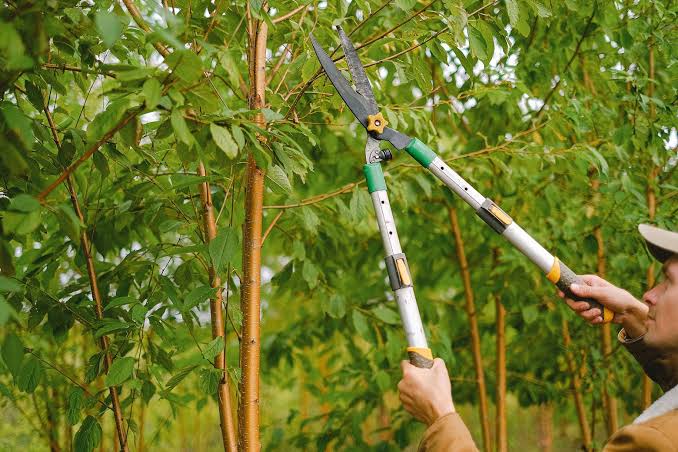
Pruning at the wrong time of year is one of the most common mistakes homeowners make, and it can undo months of careful tree care in a single afternoon. Cut too early and you expose fresh wounds to frost. Cut too late and you strip away the very growth a tree needs to recover. Knowing the best time to prune trees is the difference between a tree that bounces back stronger and one that struggles for years afterward.
At Lee Compost, we get this question constantly from both backyard gardeners and seasoned arborists: “When should I actually pick up the shears?” The honest answer is that it depends on the species, your climate, and what you’re trying to achieve. Below, we break down the timing that works for most trees, along with the exceptions worth knowing.
Why Timing Matters More Than You Think
Trees don’t heal wounds the way skin does. Instead, they seal them off through a process called compartmentalization, walling off damaged tissue to prevent decay and disease from spreading inward. This process is far more effective when a tree is dormant or entering active growth, and far less effective when it’s under stress from heat, drought, or an open wound during peak insect activity.
Tree pruning at the right moment also reduces sap loss, limits exposure to pests like bark beetles, and directs the tree’s energy toward the growth pattern you actually want. Get the timing right, and a single well-placed cut can shape years of healthy structure.
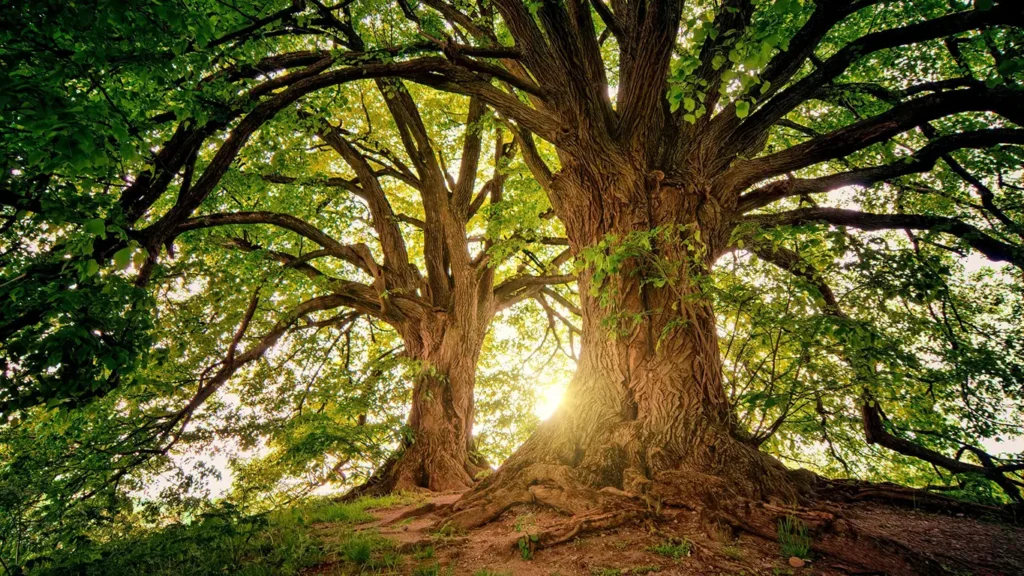
The General Rule: Late Winter to Early Spring
For most deciduous trees, the best time to prune trees is during late winter dormancy, typically January through early March in temperate climates, before new buds break. During this window:
- The tree has no leaves, so you can clearly see its branch structure and spot crossing or damaged limbs.
- Wounds seal faster once spring growth begins.
- Insects and fungal spores are far less active in cold weather, lowering infection risk.
- The tree hasn’t invested energy into leaves or fruit that pruning would otherwise waste.
This dormant-season window is why so many professional crews book up fast in late winter. If you’re planning significant structural pruning, this is the season to schedule it.
Species That Break the Rule
Not every tree follows the winter-pruning playbook. A few common exceptions:
Spring-flowering trees like magnolias, cherries, and lilacs set their flower buds the previous summer. Prune these in winter and you’ll cut away the very buds meant to bloom. Instead, prune them right after flowering finishes in spring, giving them the rest of the season to set next year’s buds.
Maples, birches, and walnuts are known as “bleeders.” Prune them in late winter and they’ll ooze sap from the cuts. It looks alarming but rarely harms the tree; if you’d rather avoid the mess, prune these in early summer once leaves have fully developed.
Oak trees need special caution. Pruning oaks between April and July increases the risk of oak wilt, a fungal disease spread by beetles attracted to fresh cuts. Stick to late fall or winter pruning for oaks, and always cover fresh wounds with wound paint in high-risk regions.
Fruit trees generally prefer late winter pruning while dormant, though light summer pruning can help manage size and improve sun exposure to ripening fruit.
What About Emergency Pruning?
Storm damage, disease, and safety hazards don’t wait for the ideal season. If a branch is broken, hanging, or posing a risk to people or property, remove it immediately regardless of the time of year. The goal of seasonal timing is to optimize long-term tree health, not to delay necessary safety work. A quick, clean cut now is always better than a hazardous limb left in place until “the right season.”
Signs Your Tree Needs Pruning Right Now
While timing matters, some warning signs shouldn’t wait for the next dormant season:
- Branches rubbing or crossing against each other
- Deadwood that’s brittle, discolored, or dropping bark
- Growth that’s blocking sightlines, power lines, or structures
- Dense inner canopy limiting airflow and sunlight
- Visible fungal growth or cankers on limbs
If you spot any of these, a certified arborist can assess whether the issue needs immediate attention or can wait for the appropriate seasonal window.
Tools and Technique Basics
Timing is only half the equation. Clean, correctly placed cuts matter just as much:
- Use sharp, sanitized tools. Dull blades tear bark rather than cutting cleanly, creating larger wounds that heal slower. Wipe blades with rubbing alcohol between trees to avoid spreading disease.
- Cut just outside the branch collar. This slightly swollen area where a branch meets the trunk contains the cells needed for proper wound sealing. Cutting flush against the trunk removes this tissue and slows healing.
- Avoid over-pruning. Removing more than 25% of a tree’s canopy in a single season can stress the tree and trigger a flush of weak, water-sprout growth.
- Step back often. It’s easy to over-cut when working branch by branch. Pause regularly to assess the tree’s overall shape.
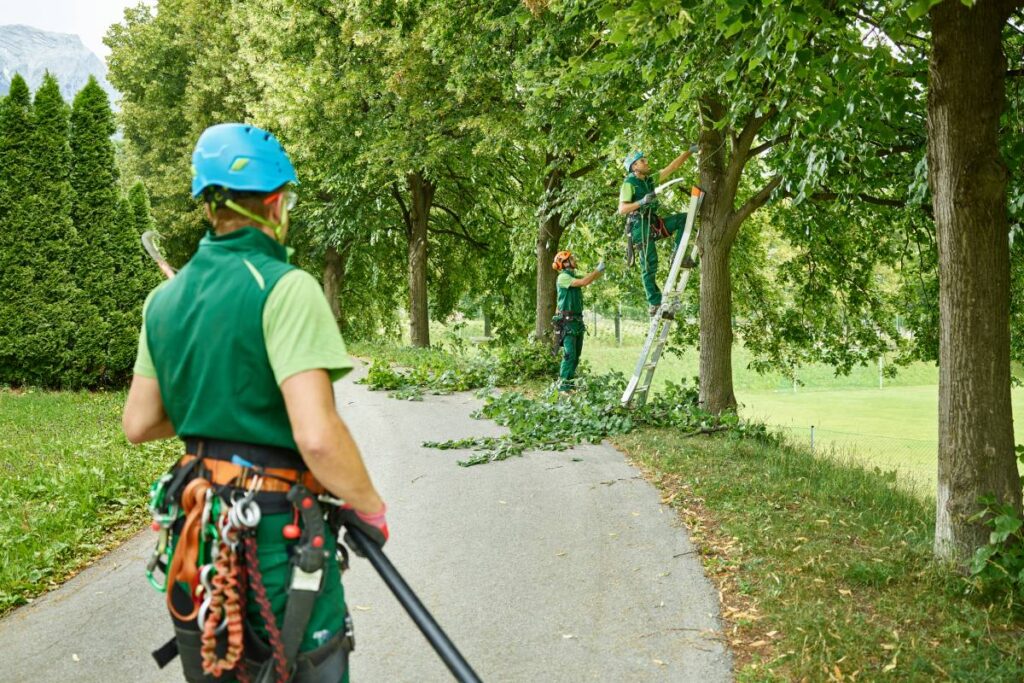
When to Call a Professional
DIY pruning works well for small, easily reachable branches on young or ornamental trees. For anything involving power tools at height, large limbs, or trees near structures and power lines, a certified arborist has the training, insurance, and equipment to do it safely. Professionals can also diagnose disease or structural weakness that’s easy to miss from the ground.
Final Thoughts
There’s no single date on the calendar that works for every tree, but the underlying principle holds: prune during dormancy for most species, adjust for spring bloomers and bleeders, and never delay safety-critical cuts. Understanding the best time to prune trees is one of the simplest ways to protect your trees’ long-term health while keeping your yard safe and looking its best.
