What does an arborist actually do beyond “tree cutting”?
An arborist assesses tree health, structural stability, and risk, then chooses the least invasive work that achieves safety. Their role includes pruning, removal, disease diagnosis, soil and root care, cabling and bracing, and storm response.
A true arborist is there to manage living assets. Cutting is only one tool, and often not the first one.
Why is “North Shore experience” important for safe outcomes?
Local experience matters because species, weather patterns, soil types, and council regulations vary by area. Choosing professional tree services North Shore residents trust means working with a team that understands common local issues like wind exposure, coastal salt stress, and recurring storm damage patterns.
Experienced tree services North Shore providers also recognise typical property constraints such as tight access, neighbouring fences, and close proximity to houses, all of which affect rigging methods and safe drop zones.
How can they confirm the arborist is qualified and insured?
They should ask for proof, not promises. A qualified operator can explain their training, provide certification details, and show current insurance documents.
At minimum, they should hold public liability insurance suitable for tree work. If staff are involved, they should also have appropriate worker cover. If they hesitate or provide vague answers, it is a strong sign to keep looking.
What questions should they ask before booking any tree work?
They should ask how the job will be done, not just what will be done. Good questions include: What is the risk they are addressing, and what alternatives were considered? How will they protect nearby structures, gardens, and neighbours? Who will be onsite, and who is supervising?
They should also ask what cleanup is included, whether stump grinding is separate, and how green waste will be removed.
How do they spot red flags in quotes and recommendations?
A suspicious quote is often either extremely cheap or extremely vague. If a contractor recommends topping, heavy lopping, or “cutting it back hard to be safe” without discussing structure, that is a concern. Topping can create weak regrowth, decay, and higher future risk.
They should be wary of anyone who will not inspect the tree in person, pressures for immediate decisions, or cannot explain the plan clearly.
How should they compare arborist quotes fairly?
They should compare scope, method, and risk controls, not just price. A safer quote may include rigging, traffic management, extra crew, and a climber rather than relying on unsafe ladder work.
They should check whether the quote includes waste removal, log splitting, mulch, stump grinding, and any follow up. They should also confirm whether the price changes if hidden defects are found once work begins.
What safety practices should a good arborist describe upfront?
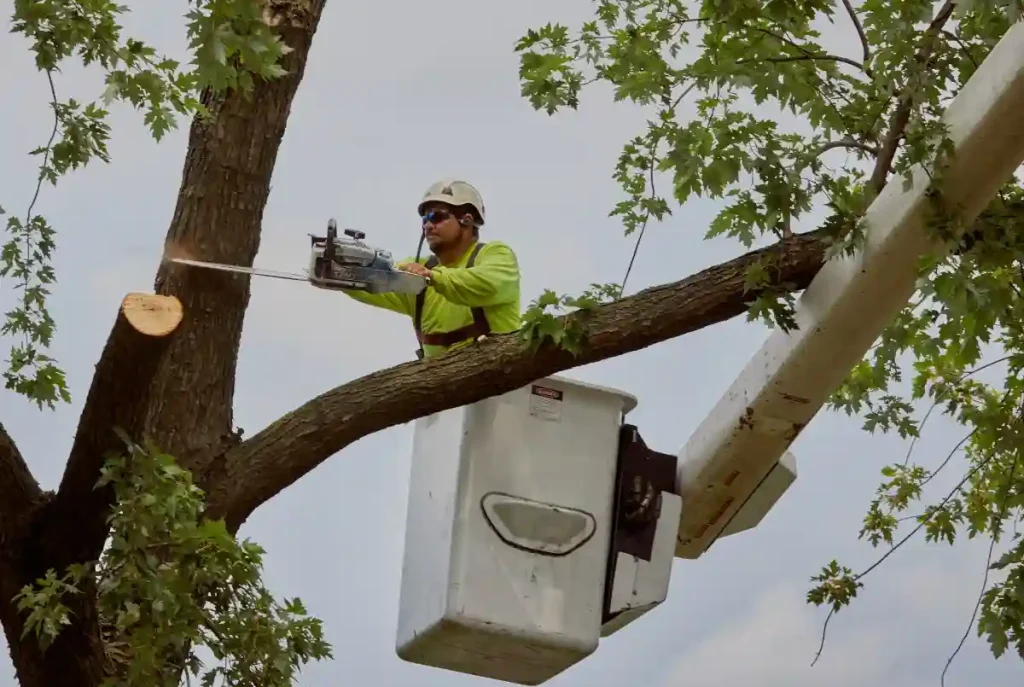
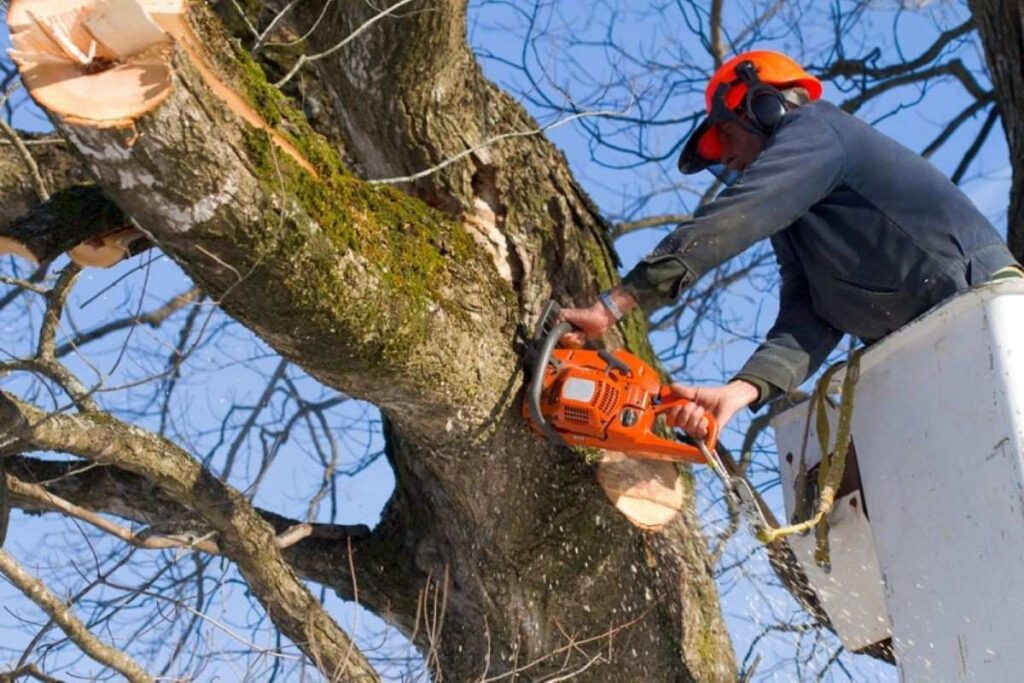
They should be able to explain how they will manage falling timber, equipment, and public safety. This includes establishing exclusion zones, using correct rigging, and controlling drop direction. For complex jobs, they may use cranes, elevated work platforms, or sectional dismantling.
They should also discuss what happens near powerlines, because that work may require special clearance rules and coordination with the network provider.
When is pruning safer than removal, and who decides?
Pruning is often safer and better for the tree when the goal is clearance, deadwood removal, weight reduction, or improving structure. Removal is usually reserved for dead, hazardous, severely compromised, or poorly located trees where risk cannot be reduced adequately.
A responsible arborist explains the trade-offs and recommends the minimum intervention that achieves safety. They should document why removal is needed if that is their recommendation.
How can they ensure the work protects the tree’s long term health?
They should confirm pruning standards and ask how much canopy will be removed. Over-pruning can stress trees, trigger weak shoots, and increase sunburn and decay. A skilled arborist makes clean cuts in the right locations and avoids stripping interior growth unnecessarily.
They should also consider timing, because some species respond poorly to heavy work during certain seasons or heat.
What about council rules, neighbours, and protected trees?
They should ask early whether permits are required, especially for protected species, significant trees, or work in sensitive zones. A local arborist should be familiar with common permission pathways, but the responsibility still needs to be clear.
They should also discuss neighbour impacts like boundary trees, shared fences, access, noise, and debris. Clear communication prevents disputes and delays.
What should they expect on the day of the job?
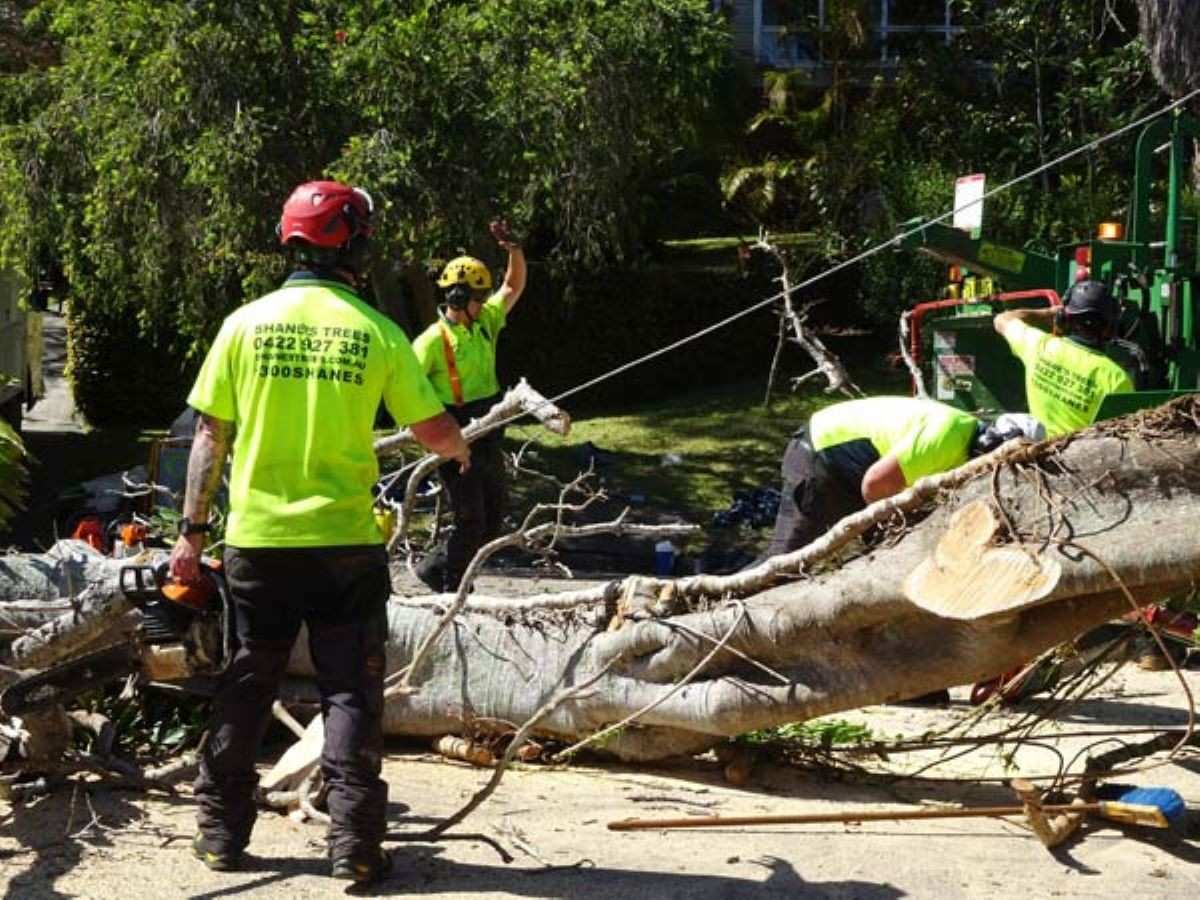
They should expect a brief site review, confirmation of the scope, and a clear safety setup before cutting starts. A professional crew arrives with PPE, signage if needed, and equipment suited to the plan, not improvised tools.
They should also expect tidy progress: controlled lowering of sections, protection for lawns and garden beds where practical, and a final cleanup that matches the quote.
How do they choose the right arborist North Shore with confidence?
They should choose the operator who can explain risks, show qualifications and insurance, and provide a clear, safety-first method statement. The right arborist North Shore will recommend the least aggressive option that achieves safety, then execute it with disciplined site control.
If they feel rushed, confused, or pressured, it is safer to pause and get another assessment.
What services does a professional arborist North Shore provide beyond basic tree cutting?
A professional arborist North Shore assesses tree health, structural stability, and risk before selecting the least invasive work to ensure safety. Their services include pruning, removal, disease diagnosis, soil and root care, cabling and bracing, and storm response. They focus on managing living assets rather than just cutting trees.
Why is choosing an arborist with North Shore experience important for safe and effective tree maintenance?
Local North Shore experience is crucial because it ensures familiarity with species, weather patterns, soil types, and council regulations unique to the area. An experienced arborist understands local challenges such as wind exposure, coastal salt stress, storm damage patterns, and property constraints like tight access or proximity to houses, all of which influence safe rigging and drop zones.
How can I verify that an arborist North Shore is qualified and properly insured?
You should request proof of qualifications and insurance rather than relying on promises. A qualified arborist can explain their training, provide certification details, and show current public liability insurance suitable for tree work. If they have staff, appropriate worker cover should also be in place. Hesitation or vague answers are red flags to seek another operator.
What key questions should I ask an arborist before booking any tree maintenance work?
Ask how the job will be done—not just what will be done. Inquire about the risks being addressed and alternatives considered; how nearby structures, gardens, and neighbours will be protected; who will be onsite and supervising; cleanup procedures; whether stump grinding is included or separate; and how green waste will be managed.
How do I identify red flags in arborist quotes or recommendations on the North Shore?
Beware of quotes that are extremely cheap or vague. Recommendations for topping, heavy lopping, or aggressive cutting without discussing tree structure are concerning because topping can cause weak regrowth and decay. Avoid operators who won’t inspect the tree in person, pressure you for immediate decisions, or cannot clearly explain their plan.
What safety practices should a reputable North Shore arborist describe before starting work?
A reputable arborist will explain how they manage falling timber, equipment use, and public safety by establishing exclusion zones, using proper rigging techniques, and controlling drop directions. For complex jobs they may employ cranes or elevated platforms. They should also discuss protocols near powerlines including clearance rules and coordination with network providers to ensure compliance and safety.
What do professional arborists in Hornsby actually do for tree health?
They inspect trees for structure, growth patterns, pests, disease, and site stressors, then recommend targeted work. That might include pruning, canopy management, soil improvement, cabling, or removal of a failing tree.
The key difference is precision. Instead of cutting “what looks messy,” they work to improve stability, airflow, light penetration, and future form.
Why is correct pruning the biggest driver of long-term tree health?
Correct pruning reduces defects that become expensive problems later. Professional Tree Services Hornsby providers remove dead, rubbing, or poorly attached branches before they fail, while keeping enough healthy canopy for the tree to produce energy.
Tree services Hornsby experts also avoid common mistakes like topping or excessive canopy removal, which can trigger weak regrowth, sunburn, decay, and ongoing stress. When done properly, pruning guides strong structure that can last for decades.
How does routine maintenance prevent disease and pest outbreaks?
Many diseases and pests take hold in stressed trees first. Professional services reduce stress by improving canopy balance, removing infected material when appropriate, and spotting early warning signs.
They also help prevent spread. Proper tool hygiene, correct timing, and safe disposal of diseased debris can lower the chance of reinfection or transmission to nearby plants.
How do tree services improve soil and root health in Hornsby conditions?
Roots drive long-term health, but they are easy to damage with compaction, construction, and poor drainage. Tree professionals identify soil problems and recommend steps like mulching, aeration, and root-zone protection.
They also advise on irrigation patterns and competition from turf or garden beds. Small changes, like widening a mulch ring and keeping soil off the trunk flare, can significantly improve vigor.
Why does structural assessment matter as trees mature?
A tree can look healthy while developing structural faults. Professionals assess included bark, poor branch unions, leans, cavities, and imbalanced crowns, then decide whether pruning, bracing, or staged reduction is needed.
This matters for long-term health because failures often start as manageable defects. Early correction reduces wounding, decay development, and sudden limb loss during storms.
When does tree removal actually protect the health of surrounding trees?
Removal is sometimes the healthiest decision for the site. If a tree is dead, severely compromised, or carrying a high-risk disease, removal can prevent damage and reduce pathogen pressure on nearby trees.
Professionals also plan removals to avoid harming retained trees. Correct rigging, access planning, and stump management reduce unnecessary root disturbance and soil disruption.
How does professional work reduce storm damage without overcutting?
Storm resilience is built through balanced canopies and strong branch structure, not aggressive thinning. Tree services reduce sail effect carefully, remove defective limbs, and shape crowns so loads distribute more evenly.
They also consider species traits and local exposure. The result is a tree that holds up better in wind and rain while still maintaining enough canopy to stay healthy.
What should they expect from a high-quality tree service in Hornsby?
They should expect clear recommendations, not pressure. A good provider explains what is being done, why it helps, and what to watch next season.
They should also expect safe, standards-based work, proper equipment, qualified staff, and tidy site management. Long-term tree health is a process, so the best services leave a plan, not just a cut tree.
What services do professional arborists in Hornsby provide to maintain healthy trees?
Professional arborists in Hornsby inspect trees for structure, growth patterns, pests, diseases, and site stressors. They recommend targeted work such as pruning, canopy management, soil improvement, cabling, or removal of failing trees. Their precise approach improves tree stability, airflow, light penetration, and future form to promote long-term health.
Why is correct pruning essential for the long-term health of trees in Hornsby?
Correct pruning reduces defects that could lead to expensive problems by removing dead, rubbing, or poorly attached branches before failure while preserving enough healthy canopy for energy production. It avoids harmful practices like topping or excessive canopy removal that cause weak regrowth and stress. Proper pruning guides strong tree structure for decades.
How does routine tree maintenance help prevent disease and pest outbreaks in Hornsby?
Routine maintenance reduces tree stress by improving canopy balance and removing infected material when necessary. Professional arborists spot early warning signs of pests and diseases and practice proper tool hygiene, timing, and safe disposal of diseased debris to prevent reinfection or spread to nearby plants.
In what ways do tree services improve soil and root health under Hornsby conditions?
Tree professionals identify soil problems caused by compaction, construction, or poor drainage and recommend mulching, aeration, and root-zone protection. They advise on irrigation patterns and managing competition from turf or garden beds. Simple actions like widening mulch rings and keeping soil off the trunk flare significantly boost root vigor and overall tree health.
Why is structural assessment important as trees mature in Hornsby?
Structural assessments detect faults such as included bark, poor branch unions, leans, cavities, and imbalanced crowns that might not be visible but threaten tree stability. Early correction through pruning, bracing, or staged reduction prevents wounding, decay development, and sudden limb loss during storms—ensuring long-term tree health.
When is tree removal necessary to protect the health of surrounding trees in Hornsby?
Tree removal is necessary when a tree is dead, severely compromised, or carrying high-risk diseases that could damage nearby trees or increase pathogen pressure. Professionals plan removals carefully using correct rigging and stump management to avoid harming retained trees by minimizing root disturbance and soil disruption.
Why Is It Important to Find Quality Tree Removal Central Coast Services?
Quality tree removal Central Coast services protect your property, ensure legal compliance, and maintain the environmental health of your landscape. Hiring reputable professionals means avoiding costly damage, injuries, and potential council fines that can result from improper tree work.
The risks of choosing inexperienced operators are substantial:
Falling branches or trees can cause severe property damage to homes, vehicles, and infrastructure
Uninsured workers may leave you liable for workplace injuries occurring on your property
Non-compliant work can result in council penalties and forced remediation
Poor cutting techniques can spread disease to remaining trees or destabilise root systems
Professional tree services on the Central Coast offer comprehensive solutions that go beyond simple removal. These specialists provide tree pruning to maintain tree health and aesthetics, lopping to manage overgrown branches, and shaping to direct growth patterns. Stump grinding eliminates trip hazards and prevents regrowth, whilst land clearing prepares sites for development or landscaping projects.
Each service plays a distinct role in environmental stewardship. Pruning removes diseased or damaged limbs before they become hazards, preventing the spread of pathogens to healthy vegetation. Strategic removal of dangerous trees protects native wildlife habitats from sudden collapse. Proper stump grinding allows soil regeneration and prevents pest infestations that hollow stumps can harbour.
The Central Coast’s unique coastal climate presents specific challenges. Salt-laden winds, sandy soils, and native species require specialised knowledge that only experienced local arborists possess. These professionals understand which trees contribute to erosion control, provide essential habitat, or pose structural risks during storm season.
What Qualifications Should You Look For in a Tree Removal Service Provider?
When searching for tree removal Central Coast, qualified arborists with proper insurance coverage should be the foundation of your decision. These professionals possess specialised training in tree biology, safe removal techniques, and advanced equipment operation, ensuring your property remains protected throughout the entire process. Hiring fully insured experts for tree removal Central Coast also shields you from liability should any accidents occur during operations, delivering peace of mind and risk-free service execution.
Essential Credentials and Certifications
Legitimate tree service providers on the Central Coast should hold current qualifications from recognised industry bodies. Look for arborists with:
AQF Level 3 in Arboriculture or equivalent certification
Current public liability insurance (minimum £10 million coverage recommended)
Workers’ compensation insurance for all team members
Trade licences specific to tree removal operations
First aid certifications for emergency situations
These credentials demonstrate a commitment to professional standards and ongoing education in best practices for tree care and removal.
Council Compliance and Regulatory Knowledge
Professional tree removal companies maintain thorough knowledge of Central Coast council regulations governing tree removal. Many trees require development consent before removal, particularly those in conservation areas or exceeding specific height thresholds. Reputable providers will:
Assess whether your tree requires council approval
Assist with necessary permit applications
Understand Tree Preservation Orders (TPOs) in your area
Follow prescribed methods for protected species
Provide documentation for compliance purposes
Working with council-compliant arborists prevents legal complications and potential fines that can reach thousands of pounds. These professionals stay updated on changing local ordinances and environmental protection requirements.
Insurance Protection: Why It Matters
The difference between insured and uninsured operators can mean the financial difference between minor inconvenience and devastating loss. Comprehensive insurance coverage protects you when:
Equipment damages your property during removal
Falling branches strike neighbouring structures
Workers sustain injuries on your premises
Underground utilities suffer accidental damage
Request proof of current insurance certificates before any work commences. Legitimate companies willingly provide this documentation, whilst those hesitant to share insurance details raise immediate red flags about their professional standing.
What Are the Different Tree Removal Services Offered by Companies on the Central Coast?
Central Coast tree removal companies offer a wide range of services that go beyond just cutting down trees. Professional arborists provide complete tree removal, tree pruning, lopping, shaping, stump grinding, and land clearing to meet various property maintenance needs.
Complete Tree Removal
Full tree extraction becomes necessary when trees pose safety risks, suffer from disease, or interfere with construction projects. Qualified arborists assess each tree’s condition, surrounding structures, and potential fall zones before executing controlled removal. The process involves sectional dismantling for trees in confined spaces or direct felling in open areas.
Tree Pruning and Trimming
Tree pruning maintains tree health by removing dead, diseased, or crossing branches that compromise structural integrity. Arborists perform crown thinning to improve light penetration, crown raising to clear pathways, and crown reduction to manage tree size. Regular pruning prevents storm damage and extends tree lifespan whilst enhancing aesthetic appeal.
Tree Lopping and Shaping
Lopping addresses overgrown trees requiring significant size reduction, though modern arborists prefer targeted pruning techniques that preserve tree health. Shaping services create desired forms for ornamental trees, maintain clearance from power lines, and manage vegetation around buildings. Professional shaping respects natural growth patterns whilst achieving functional objectives.
Stump Grinding Services
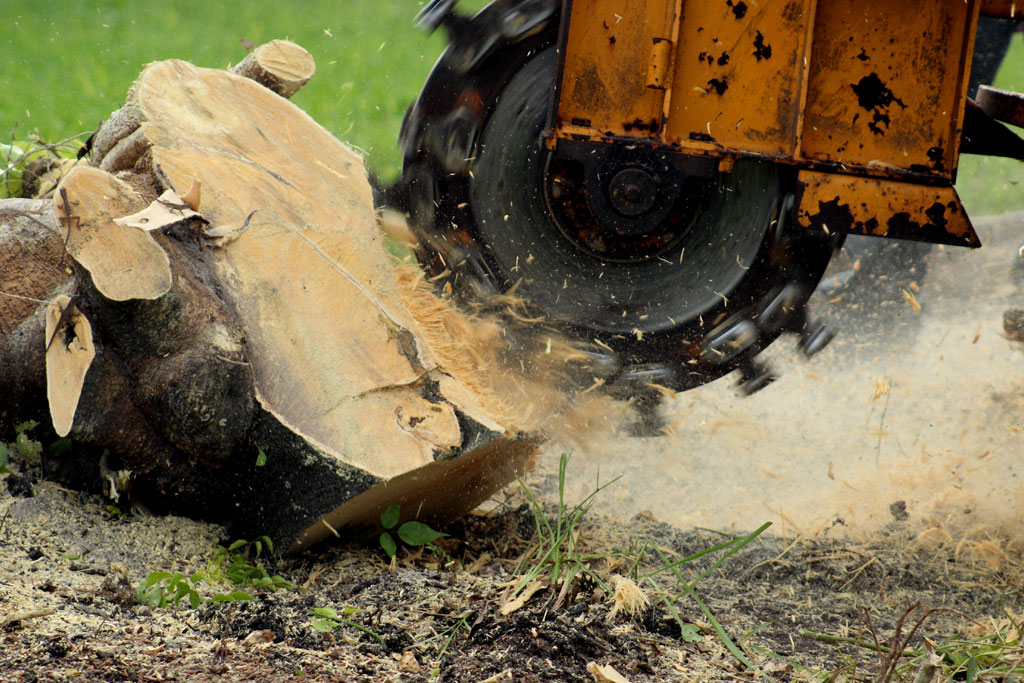
Stump grinding eliminates unsightly tree remnants after removal, preventing regrowth and freeing valuable ground space. Specialized grinding equipment pulverises stumps below ground level, allowing for immediate replanting or landscaping. This service proves essential for property aesthetics and prevents trip hazards in high-traffic areas.
Land Clearing Operations
Large-scale land clearing prepares sites for development, agriculture, or bushfire prevention. Arborists manage vegetation removal across extensive areas, handling multiple trees, undergrowth, and debris disposal. These operations require careful planning to comply with environmental regulations and preserve designated native species.
Residential vs Commercial Service Requirements
Residential properties typically require individual tree management focusing on garden aesthetics, safety around homes, and neighbour considerations. Services often involve single tree removal, selective pruning, and stump grinding in confined suburban spaces with limited equipment access.
How Do Professionals Ensure Safety During Tree Removal Operations?
Professional tree removal companies prioritise safety in tree removal through comprehensive risk assessments before any work begins. Qualified arborists evaluate factors such as tree height, proximity to structures, power lines, and ground conditions to develop a tailored removal strategy that minimises potential hazards.
Modern Equipment and Technology
The equipment for safe tree cutting has evolved significantly, allowing professionals to handle complex removals with precision. Central Coast tree removal specialists utilise:
Hydraulic cranes and elevated work platforms for accessing tall or difficult-to-reach trees without compromising stability
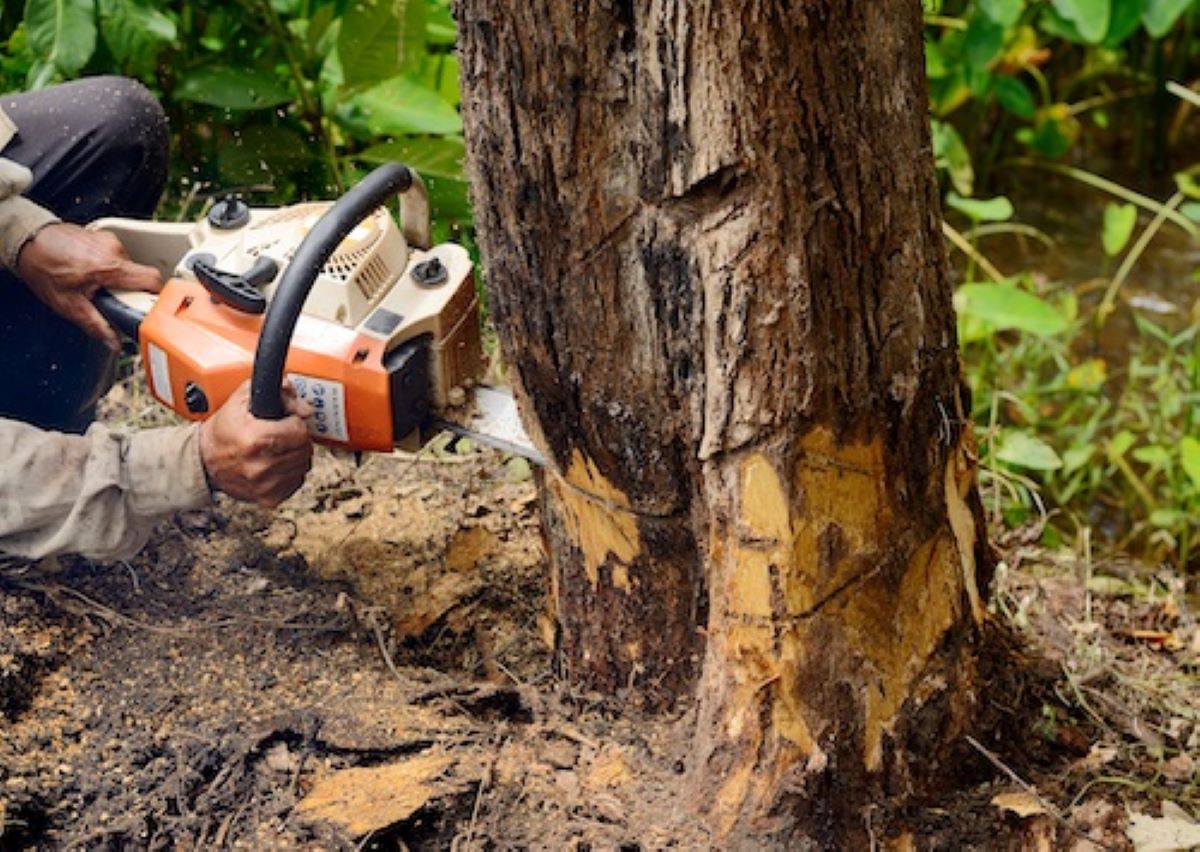
Professional-grade chainsaws with anti-kickback features and safety chains designed to reduce operator injury
Rigging systems including pulleys, ropes, and slings that control the direction and speed of falling branches or sections
Wood chippers with safety guards and emergency shut-off mechanisms for efficient debris processing
Stump grinders with protective shields to contain flying debris during grinding operations
These tools enable arborists to dismantle trees section by section in controlled environments, particularly crucial when working near homes, businesses, or infrastructure.
Worker Protection Protocols
Certified arborists follow strict personal protective equipment (PPE) requirements throughout every operation. Hard hats, safety glasses, hearing protection, cut-resistant clothing, and steel-toed boots form the baseline protection, whilst climbers wear specialised harnesses and fall-arrest systems when working at height.
Team communication systems ensure all ground crew and climbers maintain constant contact during operations. Hand signals, two-way radios, and designated spotters help coordinate movements and alert team members to changing conditions or emerging risks.
Property and Public Safety Measures
Establishing exclusion zones around work sites prevents unauthorised access during tree removal operations. Professional companies erect physical barriers, warning signage, and traffic control measures where necessary to protect bystanders and neighbouring properties.
Protective measures for structures include:
Installing padding or boards on fences, walls, and driveways to prevent impact damage
Using drop zones and rigging techniques to lower branches away from buildings
Deploying ground protection mats to prevent lawn and landscape damage from heavy equipment
Conducting pre-work inspections to identify and protect underground utilities.
Why Is Customer Satisfaction a Key Factor in Choosing a Tree Removal Service?
Customer satisfaction directly reflects a company’s ability to deliver reliable, professional results. When selecting a tree removal service on the Central Coast, the track record of satisfied clients indicates consistent quality, proper execution, and accountability throughout the project lifecycle.
How Experience Shapes Service Quality and Trust
Reputable tree companies build their standing through years of successful projects and positive client outcomes. An established company with extensive experience has encountered diverse tree removal scenarios—from storm-damaged eucalypts to heritage-listed specimens requiring delicate handling. This breadth of exposure translates into refined techniques, better problem-solving capabilities, and confidence in managing unexpected challenges.
Experience manifests in several tangible ways:
Accurate assessments of tree health, structural integrity, and removal complexity
Efficient project timelines based on realistic expectations rather than optimistic guesses
Proactive risk management from having navigated similar situations previously
Knowledge of local tree species and their specific removal requirements
A company’s reputation serves as social proof of their capabilities. Businesses that consistently prioritise customer needs develop strong word-of-mouth referrals and positive online reviews. These testimonials provide insight into how the company handles communication, addresses concerns, and resolves issues when they arise.
The Role of Workmanship in Client Relationships
High-quality workmanship extends beyond simply removing a tree from your property. It encompasses precision in execution, attention to site cleanliness, and respect for surrounding vegetation and structures. A skilled arborist team leaves minimal impact on your landscape, carefully lowering branches to avoid damage and thoroughly cleaning debris after completion.
Transparent communication forms the foundation of trust between service providers and clients. Professional tree removal companies explain their methodology, discuss potential complications, and provide clear timelines before work begins. They maintain open dialogue throughout the project, updating clients on progress and any adjustments needed.
Key communication practices include:
Detailed written quotes outlining all services and associated costs
Clear explanations of why specific techniques or equipment are necessary
Prompt responses to questions or concerns via phone, email, or in-person consultations
Honest assessments when a tree can be saved rather than removed
Companies that invest in customer relationships understand that transparency
How Can You Assess the Right Tree Removal Service for Your Specific Needs?
Assessing tree removal services requires a systematic approach that examines multiple factors to ensure you hire the most suitable provider for your project. Start by requesting detailed information about the company’s qualifications, years of operation, and specific expertise in handling trees similar to those on your property.
Evaluating Provider Expertise and Credentials
Check whether the arborists hold relevant certifications and qualifications from recognised industry bodies. Qualified professionals should readily provide proof of their credentials, including arborist certifications and specialised training in tree biology, disease management, and removal techniques. Ask specific questions about their experience with your particular tree species and the complexity of your removal scenario—whether it involves trees near power lines, buildings, or in confined spaces.
The company’s insurance coverage deserves careful scrutiny. Request copies of both public liability insurance and workers’ compensation certificates to verify they’re current and provide adequate coverage. This documentation protects you from potential liability if accidents occur during the removal process.
Examining Equipment and Technology
Modern, well-maintained equipment indicates a professional operation committed to safety and efficiency. During initial consultations, observe what machinery and tools the company uses. Quality providers invest in:
Specialised cranes and elevated work platforms for tall tree removal
Professional-grade chainsaws and cutting equipment
Stump grinders of various sizes for different removal depths
Wood chippers for efficient debris processing
Safety gear including harnesses, helmets, and protective clothing
Ask about their equipment maintenance schedules and whether they own or rent machinery. Companies with their own equipment typically demonstrate greater commitment to their trade and can respond more quickly to your needs.
Analyzing Client Reviews and References
Past client experiences offer valuable insights into a company’s reliability and service quality. Search for reviews across multiple platforms including Google, Facebook, and industry-specific directories. Look beyond star ratings to read detailed feedback about:
Punctuality and adherence to scheduled timelines
Cleanliness of the worksite after completion
Communication throughout the project
How the company handled unexpected challenges
Value for money and pricing transparency
Request references from recent projects similar to yours. Reputable companies willingly provide contact details for satisfied customers. When speaking with references, ask about the entire experience from initial quote to final
Conclusion
Finding the right tree removal service on the Central Coast requires careful consideration of three fundamental pillars: professional qualifications, comprehensive safety protocols, and proven customer satisfaction. These elements distinguish exceptional providers from mediocre ones and directly impact the success of your project.
Professional credentials matter. Fully qualified and insured arborists bring expertise that protects both your property and your investment. They understand local council regulations, possess the technical knowledge to handle complex removals, and carry appropriate insurance coverage that shields you from liability.
Safety cannot be compromised. Quality providers demonstrate their commitment through modern equipment, rigorous safety procedures, and trained personnel. The difference between a professional operation and an amateur one often becomes apparent in how they approach hazard assessment and risk mitigation.
Customer satisfaction reflects service quality. Companies with strong reputations, transparent communication, and consistent workmanship earn trust through years of reliable service. Their track record speaks louder than any marketing claim.
When searching for tree removal services, use this Central Coast tree removal guide as your roadmap. Request multiple quotes, verify credentials, check reviews, and ask detailed questions about their processes. The Essential Guide to Finding Quality Tree Removal Central Coast Services emphasises that informed decisions lead to better outcomes.
Your trees deserve expert care, your property deserves protection, and you deserve peace of mind. Choose a provider who demonstrates excellence across all three critical areas: qualifications, safety, and customer service. The right tree removal company will view your project as an opportunity to showcase their professionalism, not just another job to complete.
Take time to evaluate your options thoroughly. The investment in finding a quality provider pays dividends through superior results, avoided complications, and the confidence that comes from working with true professionals.