
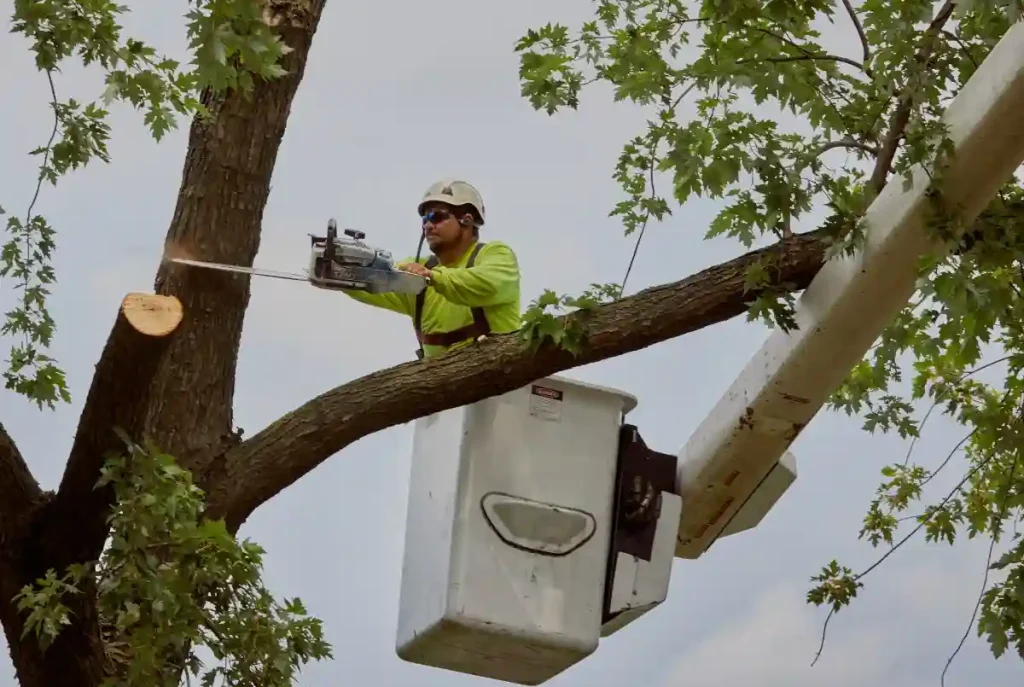
If you’ve recently had a tree removed in Sydney, you’re likely staring at the final hurdle: a stubborn, unsightly stump. While felling the tree is the main event, the stump remains anchored by a complex root system that requires specialized machinery to eliminate.
In 2026, the Sydney market for arboriculture has seen a shift due to rising fuel costs and stricter disposal regulations. Understanding the nuances of stump grinding costs in Sydney is essential to ensure you aren’t overcharged and that the job is done deep enough for your future landscaping plans.
See more: 7 Ways to Use Wood Mulch to Boost Your Garden Health
What is Stump Grinding and Why is it Necessary?
Stump grinding is the process of using a high-speed rotating disk with carbide-tipped teeth to chew away at tree wood. Unlike full “stump removal”—which involves an excavator pulling the entire root ball out of the earth—grinding focuses on the stump itself and the immediate surface roots.
Why Sydney homeowners choose grinding:
- Cost-Efficiency: It is significantly cheaper than full excavation.
- Minimal Disruption: It won’t destroy your entire lawn or underground pipes.
- Instant Re-use: The process creates nutrient-rich mulch you can use in your garden immediately.
- Safety & Pests: Leaving a stump invites termites (a major concern in NSW) and creates a permanent trip hazard.
The Core 2026 Pricing Structure in Sydney
In Sydney, professional arborists typically use one of two pricing models: a flat minimum call-out fee for small jobs or a per-centimeter rate for larger projects.
1. The Minimum Call-Out Fee
For 2026, most reputable Sydney-based specialists have set a minimum call-out fee of $200–$250. This covers the “logistics tax”—transporting heavy machinery through Sydney traffic, tolls (M4/M5/M8), and the time required for site setup and safety checks. If you have a single small stump (under 30cm), expect to pay this baseline amount regardless of how fast the job takes.
2. Price Per Diameter (Centimeter)
For stumps exceeding the minimum threshold, Sydney professionals usually charge by the width of the stump at its widest point (the flare at ground level).
| Stump Type | 2026 Cost Per CM (Avg) | 50cm Stump Total |
| Softwood (e.g., Palm, Pine) | $3.00 – $3.50 | $150 – $175* |
| Standard Hardwood | $3.50 – $4.00 | $175 – $200* |
| Dense Hardwood (e.g., Gum, Ironbark) | $4.00 – $4.50 | $200 – $225* |
*Note: If the total falls below the $200-$250 minimum call-out, the higher minimum fee will apply.
Hardwood vs. Softwood: The 20% “Gum Tax”
In Sydney, the species of your tree dictates the “grindability” of the stump. Specifically, hardwoods like Sydney Blue Gum or Ironbark typically cost 20% more to grind than softwoods like Palms.
Why Hardwood Costs More:
- Density: Hardwood is physically denser, meaning the cutting teeth on the grinder dull faster and require more fuel to power through.
- Time: A 60cm Blue Gum stump may take 90 minutes to grind, whereas a 60cm Cocos Palm might take only 20 minutes.
- Root Complexity: Native Australian Gums often have “lateral” surface roots that extend far from the trunk, requiring additional passes with the machine.
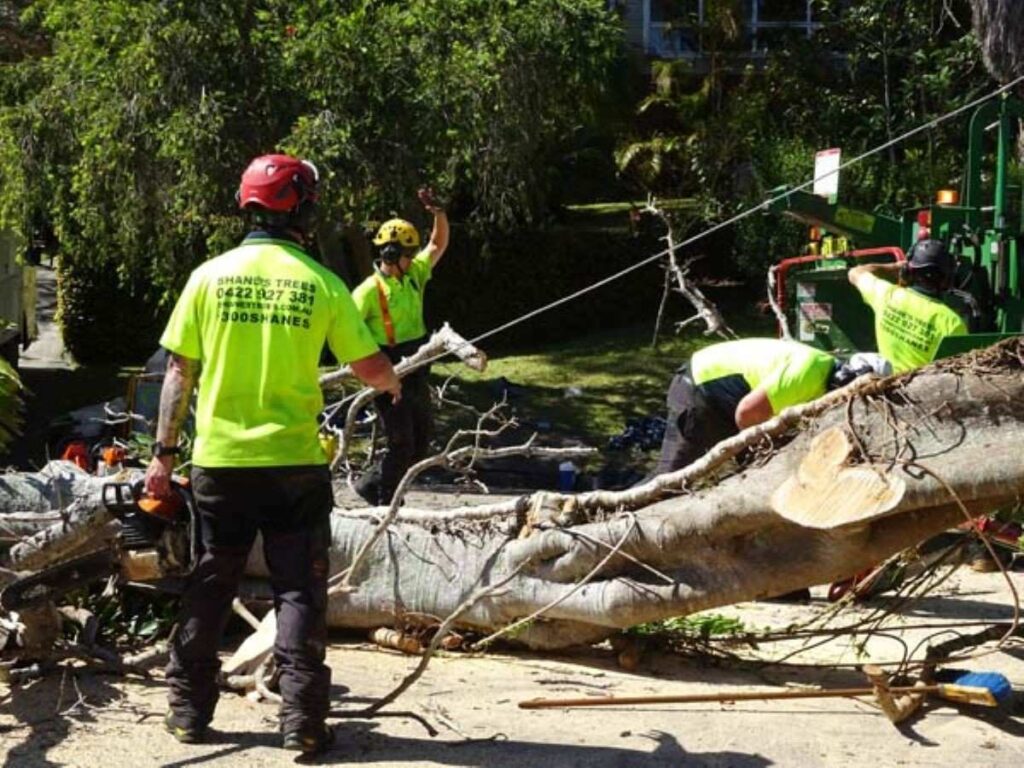
Key Factors That Influence Your Quote
Beyond just the diameter, several variables can push your Sydney stump grinding quote toward the higher end of the scale:
1. Site Accessibility
Sydney’s inner-west and eastern suburbs are famous for narrow side-gates. If a standard machine cannot fit through a gate (usually requiring 750mm–900mm width), the arborist must use a smaller, hand-portable grinder. These smaller machines take longer to do the same work, often increasing the labor cost by 15–25%.
2. Grinding Depth
A “standard” grind usually goes 150mm–200mm below the surface. However, if you plan to lay a concrete slab or a driveway, you may need a Deep Grind (up to 400mm+). This involves moving more earth and significantly more machine time.
3. Surface Root Tracing
If your tree has “tributary” roots lifting up your lawn, you’ll need “root tracing.” This is usually charged as an add-on, ranging from $50 to $150 depending on how far the roots spread.
4. Waste Disposal
The grinding process creates a large volume of mulch (the volume of the hole plus air). Most quotes include leaving this mulch on-site for you to use. If you want the arborist to rake it up, bag it, and haul it away, expect an additional $80–$120 for labor and tip fees.
The Step-by-Step Professional Grinding Process
When you hire a pro in Sydney, here is the framework they follow to ensure safety and efficiency:
- Underground Service Check: The operator checks for “Dial Before You Dig” plans to ensure no gas or water lines are under the stump.
- Clearance: Rocks and debris are removed from the base to prevent damage to the grinder’s teeth.
- The Primary Grind: The machine sweeps across the stump, taking off 2-5cm layers at a time.
- Lateral Root Removal: The machine “chases” any visible surface roots.
- Backfilling: The hole is filled with the resulting mulch to prevent a hazard, or left open for fresh soil if requested.
DIY vs. Professional: Is it Worth It?
Many Sydney residents consider hiring a stump grinder from a local equipment hire shop. In 2026, daily hire for a small grinder is roughly $180–$250.
The Hidden Costs of DIY:
- Trailer Hire: $60–$100.
- Fuel & Protection Gear: $40.
- Risk: If you hit a rock and break a tooth on a hire machine, you are often liable for the replacement cost (up to $50 per tooth).
- Effectiveness: Commercial grinders used by pros are usually 3x more powerful than hire-shop models, saving you a full day of back-breaking labor.
Expert Tip: If you have more than three stumps, the professional “per stump” rate usually drops significantly. Always ask for a “bulk discount” if you have multiple items for removal.
Common Mistakes to Avoid
- Ignoring Surface Roots: Only grinding the “puck” (the center) while leaving the roots will lead to lawn mower damage later.
- Underestimating Depth: If you are planting a new tree in the same spot, you must specify a deep grind to remove the core root ball.
- Not Checking Insurance: Always ensure your Sydney arborist has Public Liability insurance (minimum $10M) to cover potential damage to fences or underground pipes.
Frequently Asked Questions (FAQ)
1. How do I measure my stump for a quote?
Measure at the widest point where the trunk meets the ground (the “root flare”), not just the top of the cut timber. This gives the most accurate diameter for pricing.
2. Will the stump grow back after grinding?
Most species will not. However, certain “prolific” trees like Willows or some Eucalyptus may send up shoots. You can request a herbicide treatment for an extra $30–$50 to guarantee no regrowth.
3. Is stump grinding included in tree removal?
Not usually. Most Sydney tree loppers quote felling and grinding as two separate line items. Always clarify if the “total price” includes the stump.
4. How long does the mulch take to rot?
Fresh woodchip mulch can take 6–12 months to break down completely. It is excellent for weed suppression but can temporarily strip nitrogen from the soil if dug in too early.
5. Do I need a council permit for stump grinding in Sydney?
Usually, no. While removing a living tree often requires a permit from councils like Northern Beaches or Sutherland Shire, once the tree is legally removed, the stump is considered a “maintenance” item.
Conclusion: Securing the Best Rate in Sydney
Navigating stump grinding costs in Sydney doesn’t have to be a guessing game. By measuring your stump’s diameter and identifying if it’s a dense hardwood like a Gum or a softer species like a Palm, you can estimate your costs within a 10% margin.
Remember that while price is important, the “minimum call-out” fee of $200–$250 is standard for the industry in 2026. To get the best value, try to bundle multiple stumps into one visit or coordinate with a neighbor to share the call-out fee.
Internal Linking & Authority Suggestions:
- Internal Link: [Tree Removal Costs Sydney 2026] (Anchor: “average tree removal costs”)
- Internal Link: [Best Native Trees for Sydney Gardens] (Anchor: “replanting after stump removal”)
- External Reference: Check the NSW Department of Primary Industries for guidelines on termite prevention in residential wood waste.
- External Reference: Refer to SafeWork NSW for arborist safety standards and insurance requirements.
