
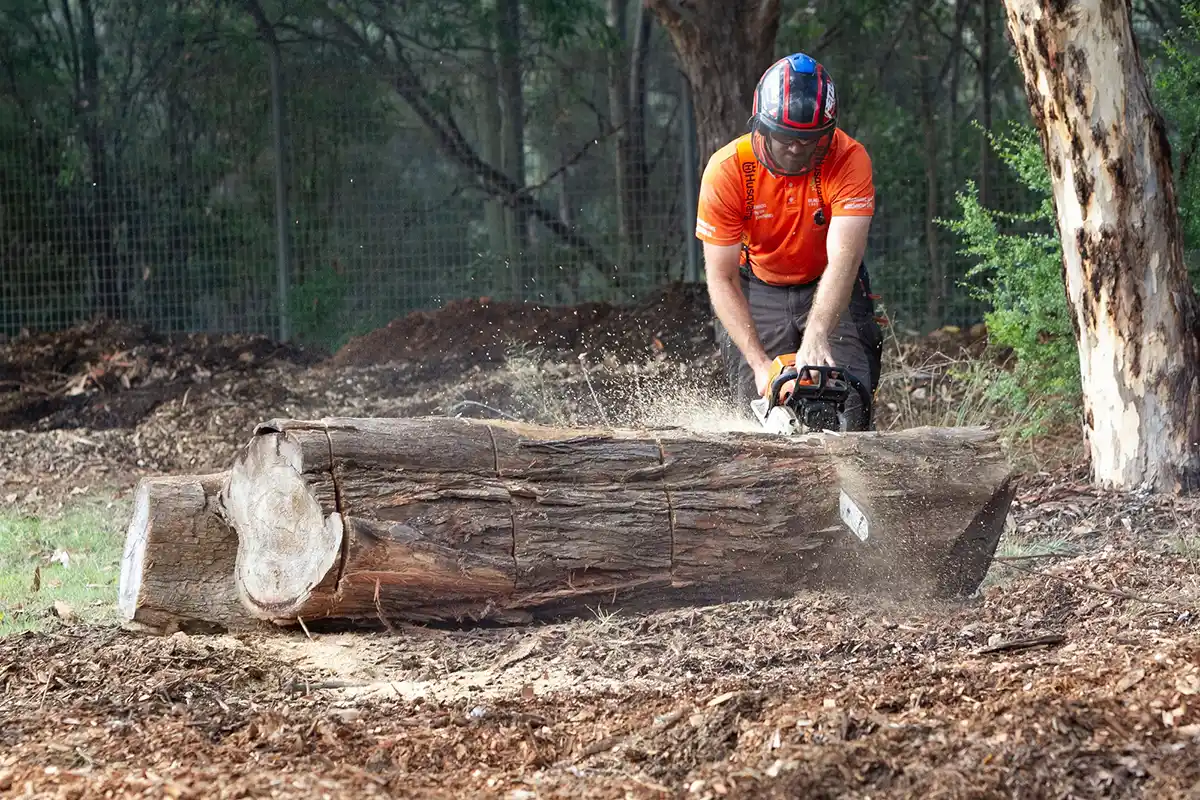
Expert Arborist Services Sydney: Professional Tree Care & Health

Expert Arborist Services Sydney: Professional Tree Care & Health

Arborist services in Sydney provide comprehensive tree care from certified professionals with formal training in tree biology, health management, and safety practices. Professional arborist services in Sydney extend beyond simple trimming; they include health assessment, disease diagnosis, pest management, structural evaluation, and risk assessment. When trees matter to your property—whether for shade, aesthetics, privacy, or environmental benefit—arborist services in Sydney ensure expert care that maximises their value and longevity.

Arborist services in Sydney protect your investment. Trees provide property value increases estimated at 5-15% depending on size and health, environmental benefits including air purification and temperature moderation, and shade enhancement reducing cooling costs. Professional arborist services maintain these benefits through scientifically-sound practices. Certified arborist services in Sydney follow Australian and international standards, ensuring quality care that respects tree biology while addressing human safety concerns.

Comprehensive Arborist Services Available

Tree Health Assessment: Arborist services include detailed health evaluations examining overall tree vitality. Our arborist services assess foliage colour and density, branch vitality, pest infestations, disease presence, and structural condition. Professional arborist training through TAFE NSW programs teaches systematic assessment protocols ensuring nothing is overlooked. Early intervention through arborist services prevents tree loss and maintains property value.

Hazard Evaluation: Professional arborist services identify structural weaknesses before failure occurs. Arborist services specialists look for included bark in branch junctions (weak connections prone to failure), lean indicators suggesting root damage, large dead branches, and growth patterns creating imbalance. Arborist services recommendations prevent costly property damage and potential injury to people or pets.
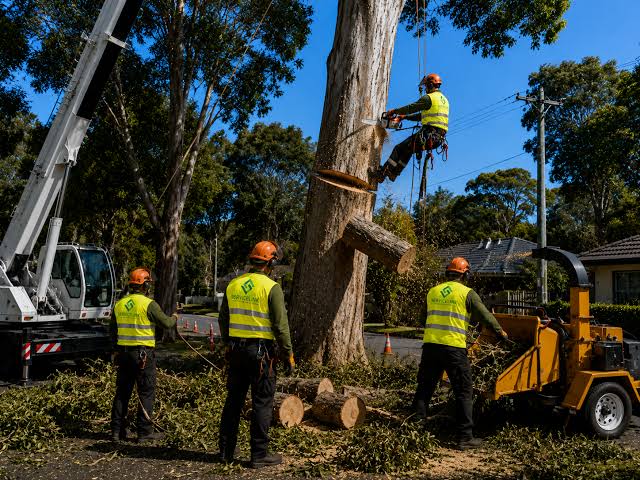
Expert Arborist Services Sydney: Professional Tree Care & Health

Disease & Pest Management: Arborist services address common Sydney tree diseases including Armillaria root rot (particularly deadly to eucalypts), anthracnose (affecting plane and native trees), and various fungal infections. Arborist services experts develop treatment strategies protecting tree health—sometimes through pruning, sometimes through targeted applications, and sometimes through environmental modification. Proper arborist services prevent disease spread to other trees on your property.

Tree Risk Assessment Reports: Arborist services can provide detailed risk assessment reports. These professional documents evaluate tree hazards, estimate failure probability, and recommend management actions. Insurance companies and property dispute settlements often require these formal arborist services Sydney reports.

Crown Restoration: After storm damage or poor prior work, arborist services can restore tree structure and health. Restoration arborist services identify which branches can be salvaged, develop a multi-year recovery plan, and execute work promoting tree recovery. This arborist services application often saves valuable trees that might otherwise be removed.

The Difference Certified Arborist Services Make

Certified arborist services demonstrate professional commitment through rigorous training and examination. Arborist services credentials—such as those awarded through TAFE NSW and accepted internationally—ensure knowledge of tree biology, integrated pest management, safety practices, and industry standards. Working with certified arborist services means you’re hiring someone whose knowledge has been independently verified and who commits to ongoing professional development.

Certified arborist services understand complex concepts like tree compartmentalisation, apical dominance, and response to wounding. These biological principles guide every recommendation certified arborist services professionals make. Choose arborist services from certified professionals exclusively; avoid unlicensed operators or those without formal training.

Disease Management Through Professional Arborist Services

Sydney’s climate supports numerous tree diseases. SafeWork NSW guidance emphasises that proper disease management begins with identification. Arborist services specialists can diagnose fungal, bacterial, and viral problems affecting your trees. Once identified, appropriate arborist services interventions can slow disease, sometimes eliminating it entirely.

Some diseases require tree removal—but professional arborist services prevent unnecessary removal by diagnosing treatable conditions. This expertise saves valuable trees and property investment.

Tree Planting and Establishment Services

Expert arborist services extend to tree selection, planting technique, and establishment care. Arborist services professionals guide species selection considering climate, soil, available space, and long-term growth expectations. Proper planting arborist services—including correct depth, backfill technique, and initial care— determines whether a new tree thrives or struggles.

Young tree care is critical arborist services work. Early structural development, training, and protection from pests and competing vegetation establish strong health foundations. Professional arborist services on young trees prevent later problems.
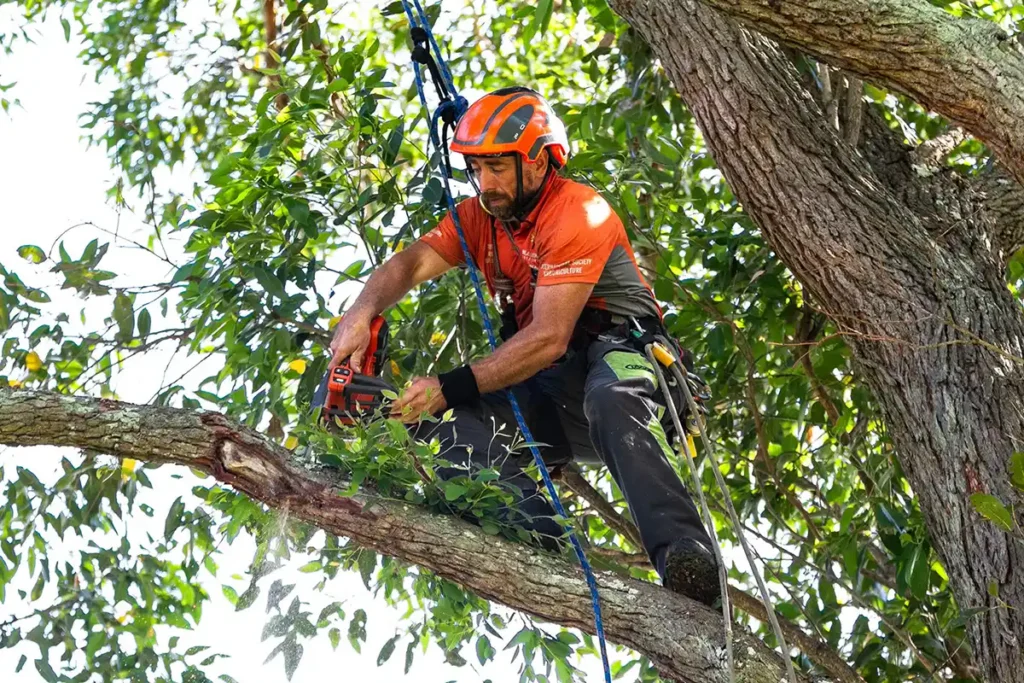
Expert Arborist Services Sydney: Professional Tree Care & Health

Arborist Services and Property Liability

Professional arborist services protect property owners legally. Documented arborist services create records showing trees were properly maintained and hazards were professionally assessed. If a tree fails and causes injury or damage, evidence of professional arborist services helps defend against liability claims.

Insurance companies favour properties with documented arborist services. Regular professional assessment and care may reduce insurance premiums while definitely protecting your property value and liability exposure.

Cost of Professional Arborist Services

Arborist services costs vary by service type. Initial health assessment arborist services might cost $200–$500 for a complete evaluation. Specialized arborist services like disease diagnosis or formal risk assessment reports may cost $500–$1500+ depending on complexity. Preventive arborist services—regular maintenance pruning, inspections, and early intervention—cost far less than emergency work or tree replacement.

Investing in preventive arborist services is always more economical than reactive work. A tree that receives regular professional arborist services remains healthy and valuable for decades, while neglected trees eventually become expensive removal problems.

Finding Quality Arborist Services

Seek arborist services from certified professionals with local experience. References and completed work samples demonstrate quality arborist services. Professional arborist services should include written quotes, detailed recommendations, and clear explanations of proposed work. Avoid arborist services providers who pressure you into work or can’t explain their recommendations in understandable terms.

Preventative Tree Lopping: Ensuring Safety Before Problems Arise

Preventative Tree Lopping

Trees are not just beautiful additions to our outdoor spaces; they also provide shade, clean air, and a sense of tranquility. However, it is important to remember that trees, like any living organisms, require regular care and maintenance to ensure their health and safety. One highly effective method of tree maintenance is preventative tree lopping. This process involves strategically trimming tree branches to reduce the risk of falling branches and prevent property damage. In this article, we will explore the concept of preventative tree lopping, its safety benefits, environmental impact, the process involved, and why it is crucial to hire professionals for this task.

Understanding the Concept of Preventative Tree Lopping

Regular tree maintenance is essential for the overall health and safety of trees. Preventative tree lopping Sydney focuses on proactive measures to address potential risks before they become major problems. By identifying and removing hazardous branches, preventative tree lopping helps ensure the longevity and stability of trees on your property.

The Importance of Regular Tree Maintenance

Tree maintenance, including preventative lopping, plays a crucial role in the safety of your property. Regular inspections and maintenance help detect signs of disease, pest infestation, or structural weaknesses in trees. By addressing these issues early on, you can prevent accidents and potential damage to your home.

Regular tree maintenance also contributes to the overall aesthetics of your property. Well-maintained trees enhance the visual appeal of your landscape, creating a welcoming and beautiful environment. Additionally, healthy trees provide shade, reducing the need for excessive air conditioning during hot summer months and helping to lower energy costs.

Preventative Tree Lopping

How Preventative Tree Lopping Works

Preventative tree lopping involves the strategic removal of hazardous branches while preserving the health and appearance of the tree. Professional arborists assess the tree’s overall condition and identify branches that pose potential risks. These risks can include dead or weakened branches, overhanging limbs, or branches that may come into contact with nearby structures.

During the lopping process, arborists use specialized tools and techniques to carefully remove the identified hazardous branches. This ensures that the tree remains structurally sound and reduces the risk of falling branches during storms or high winds. The removed branches are then properly disposed of, following environmentally friendly practices.

In addition to branch removal, preventative tree lopping may also involve branch thinning or crown reduction. Branch thinning involves selectively removing certain branches to increase airflow and sunlight penetration, promoting the tree’s overall health. Crown reduction, on the other hand, involves reducing the size of the tree’s canopy to minimize the risk of branch failure.

It is important to note that preventative tree lopping should only be performed by trained and experienced arborists. Improper lopping techniques can cause significant damage to the tree and may even lead to its decline or death. Therefore, it is always recommended to hire professionals who have the knowledge and expertise to carry out the lopping process safely and effectively.

In conclusion, preventative tree lopping is a proactive approach to tree maintenance that helps ensure the safety, health, and longevity of trees on your property. By addressing potential risks before they become major problems, you can protect your home and enhance the beauty of your landscape. Hiring professional arborists for preventative tree lopping is crucial to ensure the proper care and preservation of your trees.

The Safety Benefits of Preventative Tree Lopping

Investing in preventative tree lopping not only enhances the aesthetic appeal of your property but also plays a crucial role in ensuring the safety of both your property and its occupants. By removing hazardous branches, you significantly reduce the risk of accidents and property damage.

Reducing the Risk of Falling Branches

Over time, trees may develop weak or dead branches that are prone to breaking and falling. These falling branches can cause serious injuries to people and pets, as well as damage to vehicles and other objects in their path. Through preventative tree lopping, these hazardous branches can be identified and carefully removed, mitigating the risk of accidents.

Additionally, the removal of dead or diseased branches not only reduces the risk of them falling but also promotes the overall health and longevity of the tree. By eliminating these weak branches, the tree can allocate its resources more efficiently, allowing for stronger and healthier growth.

Preventing Property Damage

Large trees with overhanging limbs may pose a significant threat to nearby structures, such as houses, garages, or power lines. During storms or strong winds, these overhanging branches can sway and potentially break off, causing costly damage to your property.

By strategically removing these branches through tree lopping, you reduce the likelihood of branches falling and causing damage to your property. This proactive approach not only safeguards your home but also prevents potential disruptions to power lines, ensuring uninterrupted electricity supply.

Furthermore, the removal of overhanging branches can also help protect your roof and gutters from debris buildup. Leaves, twigs, and other tree debris can accumulate on your roof, leading to clogged gutters and potential water damage. By regularly lopping trees, you minimize the risk of such debris accumulation, thus preserving the integrity of your roof and gutter system.

It is important to note that tree lopping should be carried out by trained and experienced professionals who adhere to industry standards and regulations. These experts possess the necessary knowledge and equipment to safely and effectively perform tree lopping, ensuring the best possible outcomes for both safety and tree health.

The Environmental Impact of Preventative Tree Lopping

While safety and property protection are key motivators for preventative tree lopping, it is also vital to consider the environmental impact. Proper tree maintenance promotes tree health and longevity while maintaining a balance between safety and sustainability.

When it comes to the environmental impact of preventative tree lopping, there are several important factors to consider. These include promoting tree health and longevity, balancing safety and sustainability, and preserving the ecological balance of the surroundings.

Promoting Tree Health and Longevity

Preventative tree lopping allows arborists to address any health issues trees may have promptly. By removing diseased or weak branches, the overall health and vigor of the tree are improved. This not only enhances the tree’s aesthetic appeal but also ensures that it can continue to provide its numerous benefits for years to come.

Additionally, by identifying and removing branches that may be affected by pests or diseases, preventative tree lopping helps prevent the spread of these issues to other parts of the tree or nearby trees. This proactive approach to tree care plays a crucial role in maintaining the overall health of the surrounding ecosystem.

Preventative Tree Lopping

Balancing Safety and Sustainability

Tree lopping can seem counterintuitive at first, as it involves cutting off branches. However, when performed by skilled professionals, preventative tree lopping strikes a delicate balance between safety and sustainability.

By removing hazardous branches, such as those that are dead, damaged, or overhanging structures, trees can actually become more resistant to disease and stress. This is because the removal of these branches allows the tree to redirect its resources towards healthier parts, strengthening its overall structure and immune system.

Furthermore, the practice of preventative tree lopping helps prevent accidents and property damage caused by falling branches during storms or high winds. By proactively addressing potential safety hazards, tree lopping contributes to the overall safety and well-being of both humans and the environment.

Preserving the Ecological Balance

In addition to promoting tree health and safety, preventative tree lopping plays a crucial role in preserving the ecological balance of the surroundings. By removing diseased or invasive branches, arborists help prevent the spread of pests and diseases that can harm not only the tree but also other plants and organisms in the ecosystem.

Moreover, by maintaining a balance between safety and sustainability, preventative tree lopping ensures that the surrounding environment remains intact. Trees provide essential habitat for various wildlife species, including birds, insects, and mammals. By preserving the health and longevity of trees, preventative tree lopping contributes to the overall biodiversity and ecological stability of the area.

In conclusion, while safety and property protection are important considerations, the environmental impact of preventative tree lopping should not be overlooked. By promoting tree health and longevity, balancing safety and sustainability, and preserving the ecological balance of the surroundings, this practice plays a vital role in maintaining a healthy and sustainable environment.

The Process of Preventative Tree Lopping

Preventative tree lopping involves a systematic approach to identify and address potential risks. It requires expertise and should be carried out by qualified professionals who are knowledgeable about tree biology and lopping techniques.

When it comes to the safety of your property and the people around it, preventative tree lopping plays a crucial role. By proactively identifying and addressing potential risks, you can prevent accidents and damage caused by falling branches. Let’s take a closer look at the process involved in preventative tree lopping.

Identifying Potential Risks

During tree inspections, arborists carefully evaluate the overall health and structure of the tree. They don’t just look at the tree as a whole, but rather examine each branch individually to assess its condition. This meticulous evaluation helps them identify branches that pose a risk to safety or property.

Arborists take into consideration various factors when assessing the potential risks. Branch stability is one of the key aspects they examine. They look for signs of weakness, such as cracks, splits, or decay, that could indicate a branch is at risk of falling. Additionally, they consider the proximity of branches to structures, such as buildings or power lines, as well as the potential impact of falling limbs on people or property.

By marking the hazardous branches for removal, arborists ensure that the tree is made safer and the risk of accidents is significantly reduced.

Preventative Tree Lopping

Techniques for Effective Tree Lopping

Once potential risks are identified, arborists employ various techniques to safely remove hazardous branches. These techniques are carefully chosen to minimize the impact on the tree while effectively reducing the risk of falling limbs.

One common technique used in preventative tree lopping is branch thinning. This involves selectively removing certain branches to reduce the overall density of the tree’s canopy. By thinning out the branches, arborists allow more light and airflow to reach the tree, promoting healthier growth and reducing the risk of branch failure.

Another technique is crown reduction, which involves reducing the height or spread of the tree’s crown. This is done by selectively removing branches from the outer edges of the canopy. Crown reduction helps to balance the weight distribution of the tree, making it less likely for branches to break or fall during storms or strong winds.

In some cases, arborists may need to remove entire branches to eliminate the risk they pose. This is done with precision and care to ensure that the tree’s natural shape and structure are maintained. Arborists make strategic cuts to minimize the impact on the tree and promote proper healing.

By employing these techniques, arborists can effectively reduce the risk of falling limbs while preserving the health and aesthetics of the tree.

Hiring Professionals for Tree Lopping

While it may be tempting to perform tree lopping yourself, it is highly recommended to hire professionals for this task. Arborists possess the necessary expertise, equipment, and experience to ensure the proper care and maintenance of your trees.

Why Professional Service is Recommended

Professional arborists undergo rigorous training and have in-depth knowledge of tree biology, proper lopping techniques, and safety protocols. They can identify potential risks that may go unnoticed by untrained individuals. Moreover, they have the skills and equipment needed to perform tree lopping safely and efficiently.

Choosing the Right Tree Lopping Service

When selecting a tree lopping service, it is essential to research and choose a reputable company with certified arborists. Look for companies with a track record of quality work, positive customer reviews, and appropriate insurance coverage. Obtaining multiple quotes and asking for references can help you make an informed decision.

Remember, preventative tree lopping is an investment in the safety, health, and longevity of your trees and property. By being proactive and taking necessary measures, you can ensure the beauty and benefits of your trees while minimizing potential risks. Hire professionals to perform tree lopping, and enjoy the peace of mind that comes with knowing your trees are in good hands.