
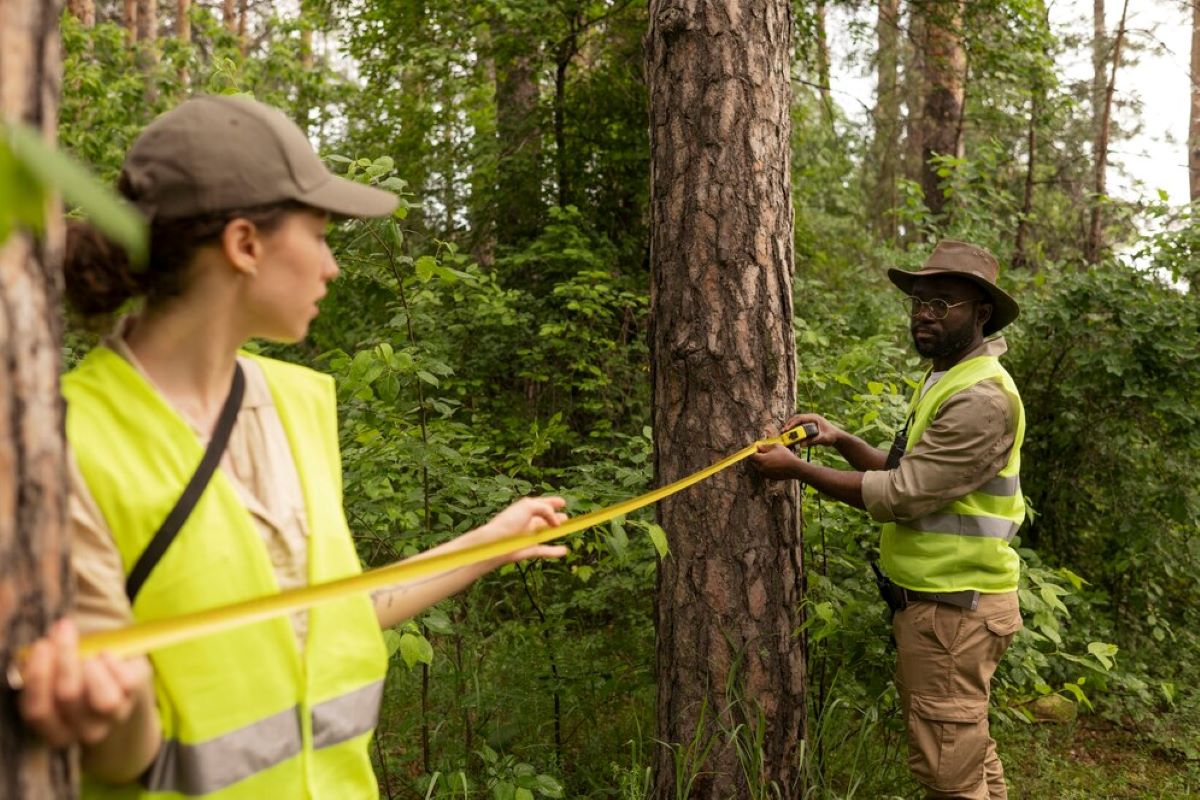
What makes tree pruning on large properties different?
Large properties usually involve bigger trees, more trees, and more access constraints. The best services treat it like a planned job, not a quick trim.
They should be comfortable coordinating machinery, traffic control if needed, and staged pruning so the property stays usable. They also need the experience to balance safety, tree health, and aesthetics across many zones, not just one front-yard tree.
How can they tell if a service is properly qualified and insured?
They should be able to show public liability insurance and workers compensation details without hesitation, which is especially important when hiring tree pruning services Sydney for residential or large-scale work. For large properties, higher coverage is common, so the policy limits matter.
They should also demonstrate arborist capability, not just “tree lopping” experience. If they mention standards-based pruning, tree biology, and risk assessment, that is a good sign they understand professional tree care rather than just removal-style cutting.
What questions should they ask about pruning methods and tree health?
They should ask exactly what cuts will be made and why, especially for mature trees. A good provider explains whether they are reducing weight, improving structure, clearing buildings, or removing deadwood.
They should avoid services that push heavy topping or indiscriminate cutting. Proper pruning focuses on tree health, structural integrity, and long-term maintenance cycles, not quick visual “neatening” that leads to weak regrowth and higher future risk.
How do they confirm the team can handle access, equipment, and logistics?
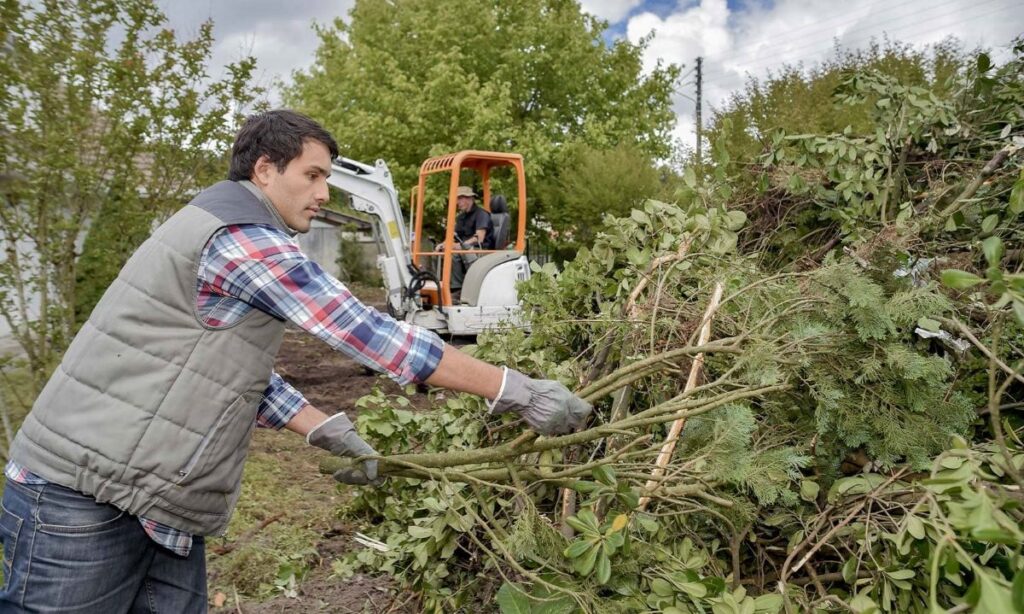
They should ask what equipment will be used and how it will be brought on-site. Large blocks often require elevated work platforms, rigging systems, cranes, or heavy chippers, plus safe drop zones.
They should also ask about protection for lawns, irrigation, gardens, and driveways. The best teams plan entry and exit routes, use ground protection where needed, and describe how they will manage branches over sheds, fences, pools, and neighbouring lots.
What should they check about council rules and neighbour risks in Sydney?
They should ask whether approvals are needed for the specific site and species. In parts of Sydney, tree preservation controls, heritage constraints, or protected vegetation rules can apply, and mistakes can be expensive.
They should also ask how the team will manage boundary trees and overhangs. A professional service raises neighbour considerations early, confirms property lines if needed, and documents the scope so disputes are less likely.
How can they judge safety standards on a large site?
They should look for a clear safety approach, not vague reassurance. A good provider explains how they will control drop zones, protect people and structures, and manage chainsaw work at height.
They should also ask who will supervise the job and how hazards will be handled, including unstable limbs, powerlines, termites, or storm-damaged trees. If the provider seems casual about high-risk scenarios, that usually carries into the work. You may like to visit https://www.safeworkaustralia.gov.au/media-centre/news/guide-managing-risks-tree-work to learn more guide to managing the risks of tree work.
What does a good quote look like for a large-property pruning job?
They should expect a detailed quote that separates trees or zones, describes the pruning type, and lists inclusions like green waste removal, stump-free finish, and clean-up standards.
They should also confirm what changes the price, such as hidden decay, access changes, or extra rigging. For big properties, the best companies often propose a staged plan or annual cycle, which can be more cost-effective than one massive catch-up prune.
How should they compare services beyond the cheapest price?
They should compare scope accuracy, pruning quality, and risk management, not just the total. The cheapest quote can be the most expensive outcome if it leads to tree decline, failures in storms, or repeated reactive callouts.
They should prioritise teams that communicate clearly, document their approach, and offer practical options. A strong service feels organised from the first site visit, because large-property pruning is mostly planning done before the first cut. Click here to learn more about tree pruning North Shore: Maintaining Tree Health in Coastal Conditions.
What final checks help them choose confidently?
They should ask for recent local references for similar-sized properties and confirm timelines in writing. They should also ask who handles clean-up and how long the site will be affected.
Most importantly, they should choose a team that treats pruning as long-term tree care. For large properties in Sydney, the best outcome is safer trees, healthier canopies, and a maintenance plan that prevents emergency work later.
FAQs (Frequently Asked Questions)
What makes tree pruning on large Sydney properties different from smaller ones?
Tree pruning on large Sydney properties involves managing bigger and more numerous trees with complex access constraints. Unlike quick trims, the best services treat it as a planned job that coordinates machinery, traffic control, and staged pruning to maintain property usability while balancing safety, tree health, and aesthetics across multiple zones.
How can I verify if a tree pruning service is properly qualified and insured for large properties?
A qualified service should readily provide public liability insurance and workers compensation details with adequate coverage for large properties. They should demonstrate arborist expertise by discussing standards-based pruning, tree biology, and risk assessment rather than just offering basic tree lopping or removal services.
What questions should I ask regarding pruning methods to ensure tree health on my property?
Ask the provider what specific cuts will be made and their purpose—whether it’s reducing weight, improving structure, clearing buildings, or removing deadwood. Avoid services promoting heavy topping or indiscriminate cutting; proper pruning focuses on long-term tree health, structural integrity, and maintenance cycles rather than quick visual neatening that risks weak regrowth.
How do I confirm that the pruning team can handle access, equipment, and logistics for my large property?
Inquire about the equipment they plan to use such as elevated work platforms, rigging systems, cranes, or heavy chippers and how these will be brought onsite. They should also explain protection measures for lawns, irrigation systems, gardens, driveways, and how they manage branches over sheds, fences, pools, and neighboring lots with clear entry and exit routes and ground protection where needed.
What should I check regarding council regulations and neighbour considerations when pruning trees in Sydney?
Verify if approvals are required for your site and specific tree species due to local tree preservation controls, heritage constraints, or protected vegetation rules. Ensure the team proactively manages boundary trees and overhangs by discussing neighbour considerations early on, confirming property lines if necessary, and documenting the scope of work to minimize potential disputes.
How can I assess the safety standards of a tree pruning service on a large site?
Look for a clear safety plan detailing how drop zones will be controlled, people and structures protected, and chainsaw work at height managed. Ask who supervises the job and how hazards like unstable limbs, powerlines, termites, or storm damage are handled. Providers who appear casual about high-risk scenarios often carry that approach into their work—choose those with thorough safety protocols.