
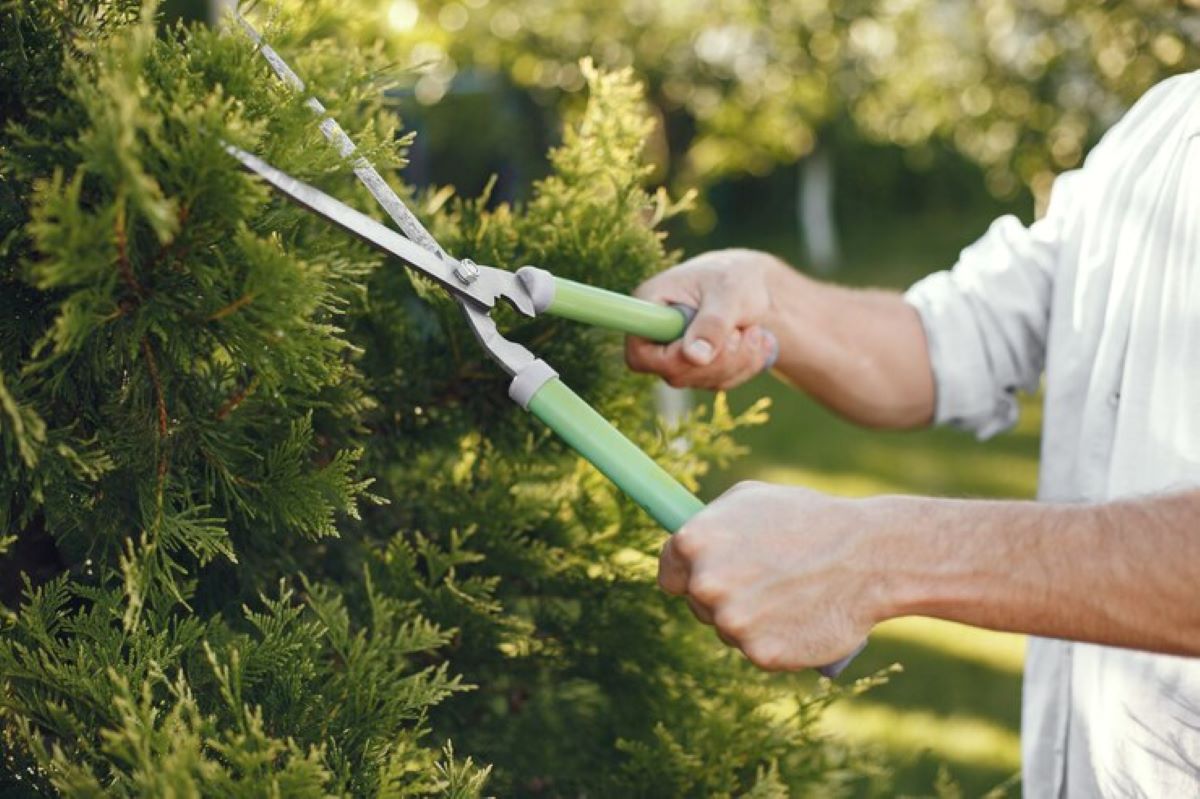
Done well, pruning helps trees stay safer, live longer, and recover faster after rough weather. Done poorly, it can invite pests, rot, and long-term decline.
What makes North Shore coastal conditions tougher on trees?
Coastal exposure dries foliage and burns leaf edges through salt-laden wind, which is why tree pruning North Shore often focuses on strengthening trees against harsh coastal conditions. Strong gusts also create constant movement that can crack weak unions, peel bark, and snap overextended limbs.
Sandy or disturbed soils often drain fast and hold fewer nutrients, so trees may grow with less vigor and slower wound response. That combination means pruning should focus on resilience, not heavy cutting.
Why does pruning matter more near the coast?
Pruning is one of the few controllable tools to reduce wind sail and prevent storm failures. By selectively thinning and correcting structure, they can lower the chance of large limbs tearing out.
It also improves light and airflow through the canopy, which helps reduce fungal pressure in humid coastal pockets. Most importantly, correct pruning cuts preserve the tree’s natural defenses.
When is the best time to prune trees on the North Shore?
The best timing depends on species, health, and goals, but most routine pruning is best scheduled when trees are not under peak stress. For many species, late winter to early spring supports good recovery before strong growth begins.
They should avoid pruning during heatwaves, drought periods, or right before forecast storms. Flowering trees may need timing that protects next season’s blooms, so species-specific planning matters.
How should pruning be adjusted for salt wind and storm exposure?
In coastal sites, pruning should prioritize strong structure and balanced weight. They typically remove deadwood, reduce long lever arms, and lessen end weight on exposed limbs to limit tearing in gusts.
They should avoid aggressive “storm pruning” or topping, because it often triggers weak, fast regrowth that fails later. A slower, staged approach builds strength without shocking the tree.
What are the most important cuts for long-term tree health?
The most valuable cuts are small, targeted, and made at the correct location. They should remove dead, diseased, and rubbing branches first, then address structural issues like co-dominant stems and weak branch unions.
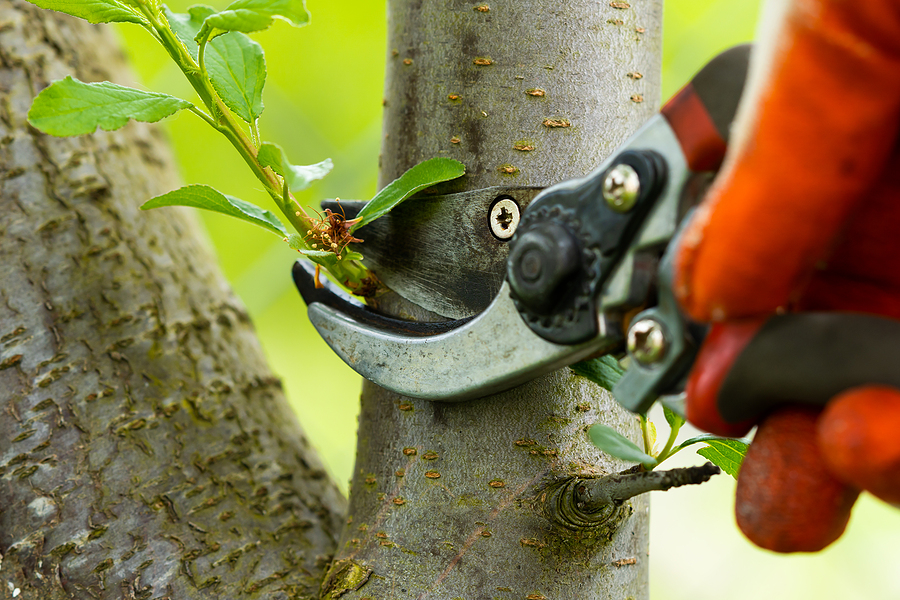
They should keep the branch collar intact and avoid flush cuts, because collars contain protective tissue that helps close wounds. Fewer, better cuts usually beat lots of random thinning.
Which common pruning mistakes cause the biggest coastal problems?
Topping is one of the worst mistakes, especially in windy areas. It creates decay points, forces dense weak shoots, and increases future failure risk.
Over-thinning is another issue because it exposes inner branches to sun and salt wind, leading to scorch and dieback. Cutting too much at once also drains stored energy, which is risky in nutrient-poor coastal soils.
How can they tell whether a tree needs pruning or removal?
If the tree has manageable defects, pruning and support may be enough. Signs that pruning may help include deadwood, crossing branches, one-sided canopies, low clearance issues, or early cracks at branch unions.
Removal becomes more likely when there is extensive decay, major root plate movement, severe lean with soil heaving, or repeated large failures. They should use a qualified assessment before deciding, especially for trees near homes. Click here to learn more about Australia’s forest policies.
What does a good North Shore pruning plan look like?
A solid plan starts with clear objectives: safety clearance, storm resilience, canopy health, or shape. Then it sets limits, such as removing no more than about 10 to 20 percent of live canopy in a visit for many mature trees, depending on species and condition.
They should also schedule follow-ups rather than trying to “finish” everything at once. Coastal trees often respond best to gradual correction.
How should they choose a tree pruning service on the North Shore?
They should look for proper training, safe work practices, and a pruning approach that avoids topping and respects tree biology. A good provider explains what they will remove and why, and they can describe the expected outcome over one to three years.
They should also confirm insurance, working-at-heights safety, and whether protected trees require local approvals. Clear written quotes and a tidy cleanup process also signal professionalism.
What should they do after pruning to support recovery?
After pruning, trees recover best with steady moisture and minimal added stress. They should water during dry spells, mulch correctly to moderate soil temperature, and avoid piling mulch against the trunk.
They should also monitor for dieback, pests, and storm damage in the following months. If they see sap bleeding, new cracks, or sudden leaf drop, an arborist review helps catch problems early.
What is the simplest way to keep coastal trees healthy year-round?
Consistent light maintenance beats occasional heavy pruning. Annual or biennial inspections, small corrective cuts, and early structural training on young trees reduce costly failures later.
On the North Shore, the goal is not a perfectly sculpted canopy. It is a stable, well-spaced structure that can handle salt wind, strong weather, and seasonal stress without breaking down.
More to Read : How to Choose the Best Tree Pruning Services Sydney for Large Properties
FAQs (Frequently Asked Questions)
What challenges do North Shore coastal conditions pose to tree health?
North Shore coastal conditions expose trees to salt-laden winds that dry foliage and burn leaf edges, strong gusts that cause constant movement leading to cracked unions and snapped limbs, and sandy soils that drain quickly and hold fewer nutrients. These factors result in slower growth and wound recovery, requiring pruning focused on resilience rather than heavy cutting.
Why is specialized pruning important for trees near the North Shore coast?
Pruning near the coast is crucial to reduce wind sail, prevent storm damage, and enhance tree structure. Selective thinning lowers the risk of large limb failures, improves light and airflow reducing fungal pressure, and preserves the tree’s natural defenses through proper cuts tailored to coastal stressors.
When is the optimal time to prune North Shore coastal trees?
The best time to prune depends on species, health, and goals but generally falls in late winter to early spring when trees are not under peak stress. This timing supports good recovery before active growth. Avoid pruning during heatwaves, droughts, or immediately before storms. For flowering species, plan pruning to protect next season’s blooms.
How should pruning techniques be adapted for salt wind and storm exposure on the North Shore?
Pruning should prioritize building strong structure and balanced weight by removing deadwood, reducing long lever arms, and lessening end weight on exposed limbs to minimize breakage in gusts. Avoid aggressive topping or storm pruning as it promotes weak regrowth; instead, use a gradual staged approach to strengthen trees without causing shock.
What are the key pruning cuts that promote long-term health of coastal trees?
Effective pruning involves small, targeted cuts made at correct locations—removing dead, diseased, or rubbing branches first followed by addressing structural issues like co-dominant stems or weak unions. Maintaining the branch collar intact is vital since it contains protective tissue aiding wound closure. Quality over quantity in cuts ensures better tree health.
What common pruning mistakes should be avoided for coastal trees on the North Shore?
Avoid topping as it creates decay points, dense weak shoots, and increases failure risk especially in windy areas. Over-thinning exposes inner branches to sun and salt wind causing scorch and dieback. Excessive cutting drains stored energy critical in nutrient-poor soils. Proper pruning respects tree biology and minimizes stress for healthier coastal trees.
