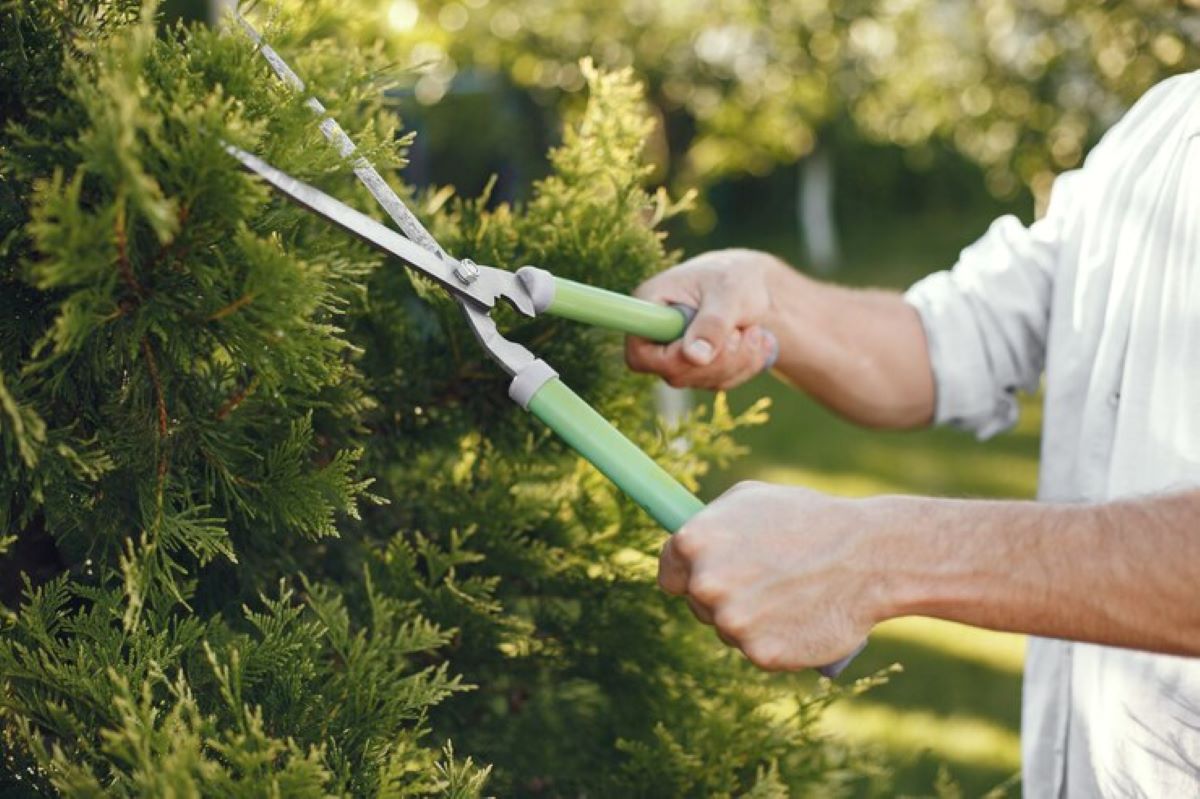
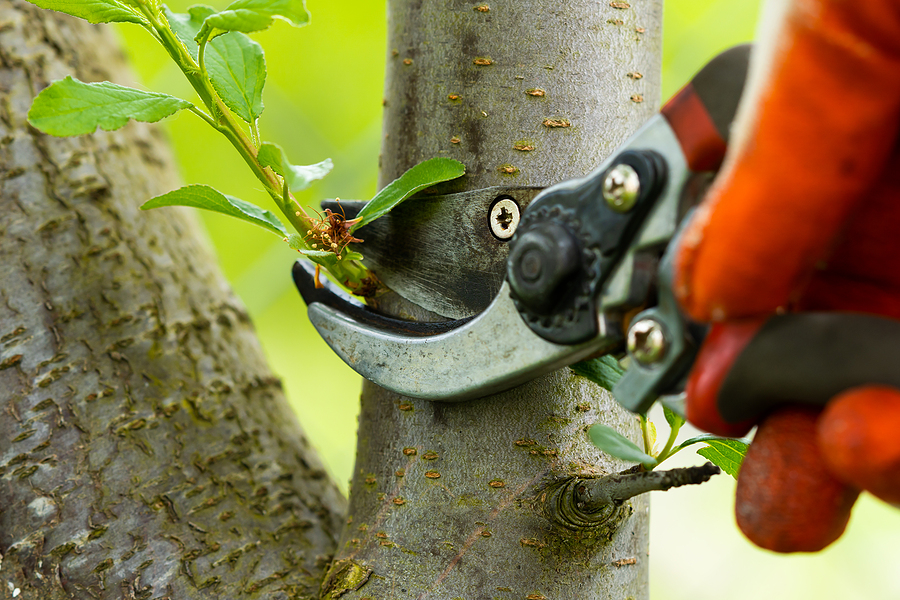
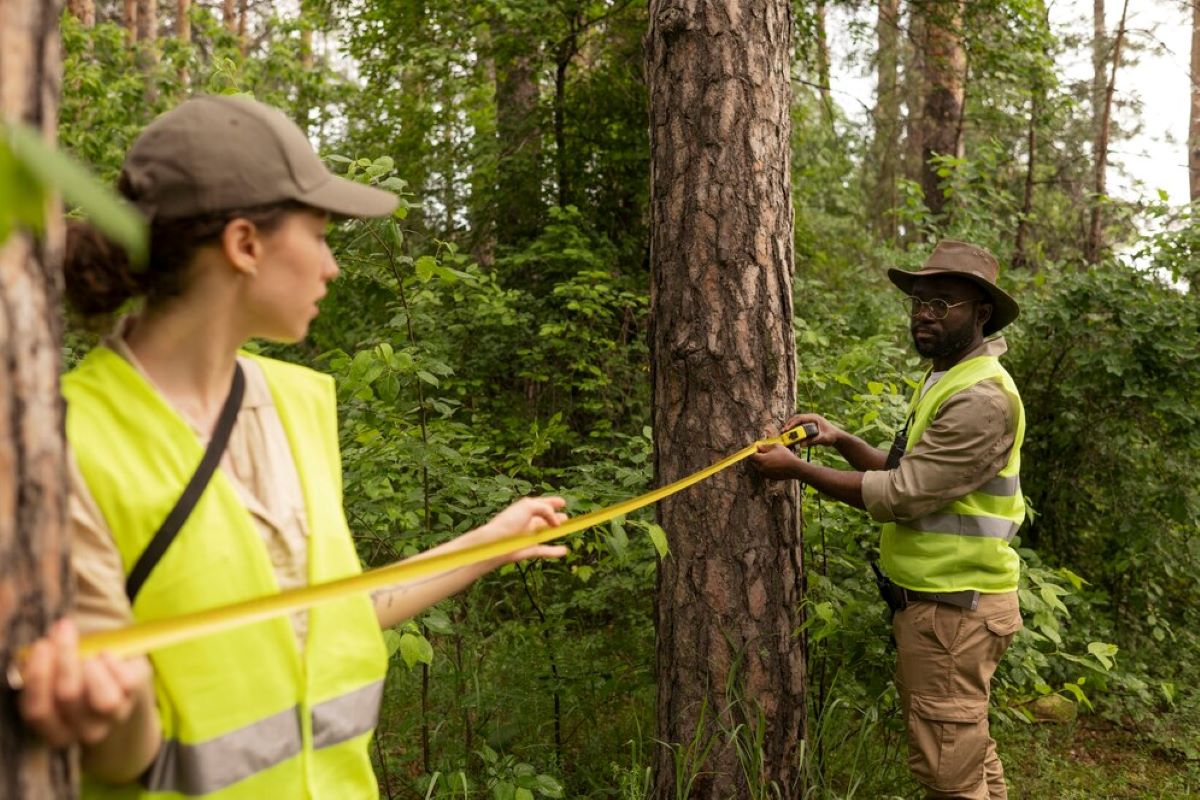
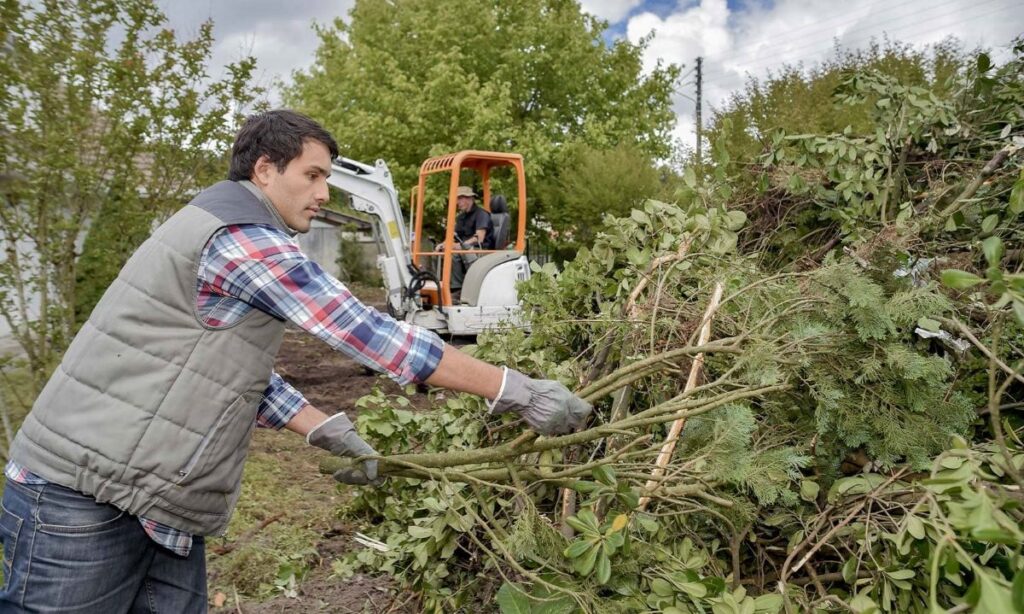
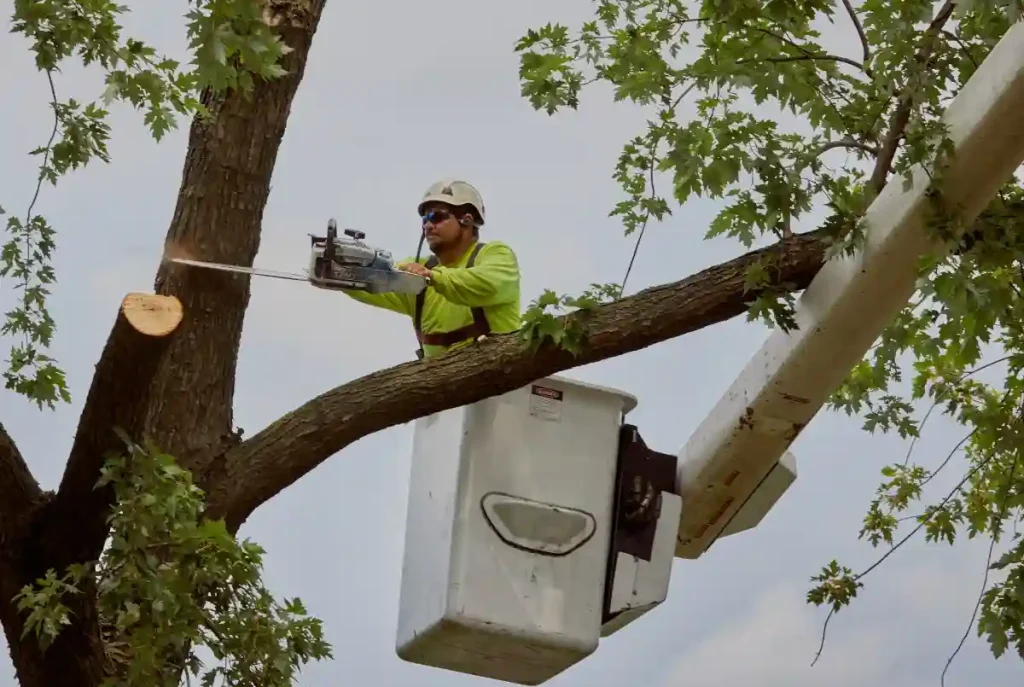
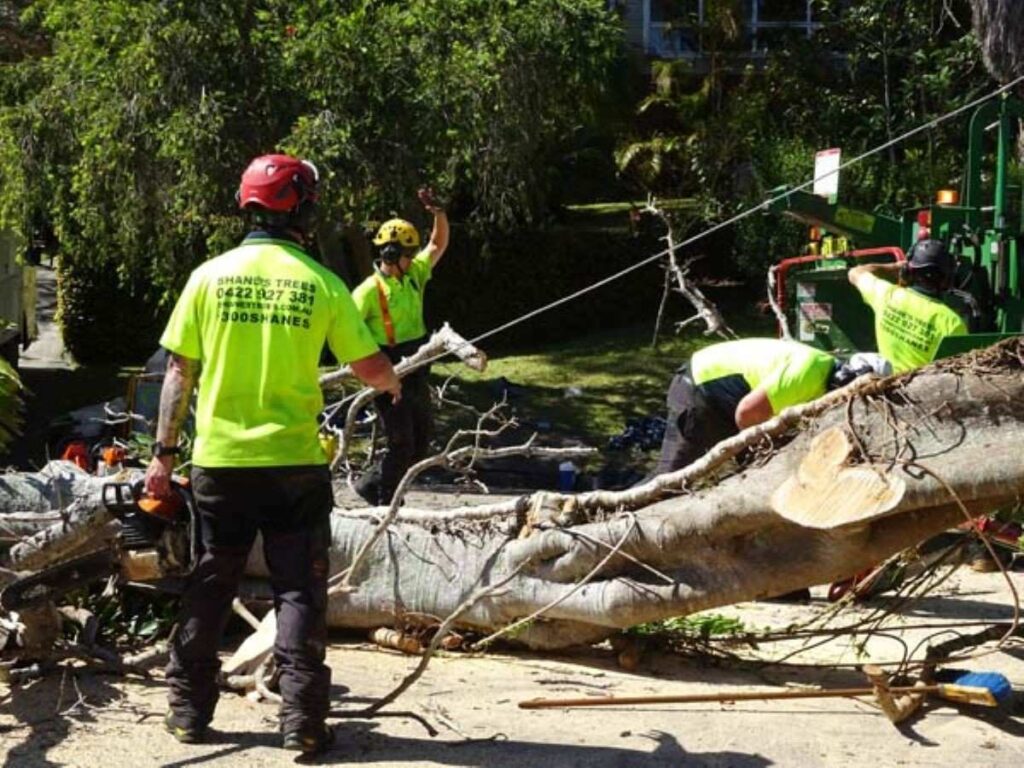
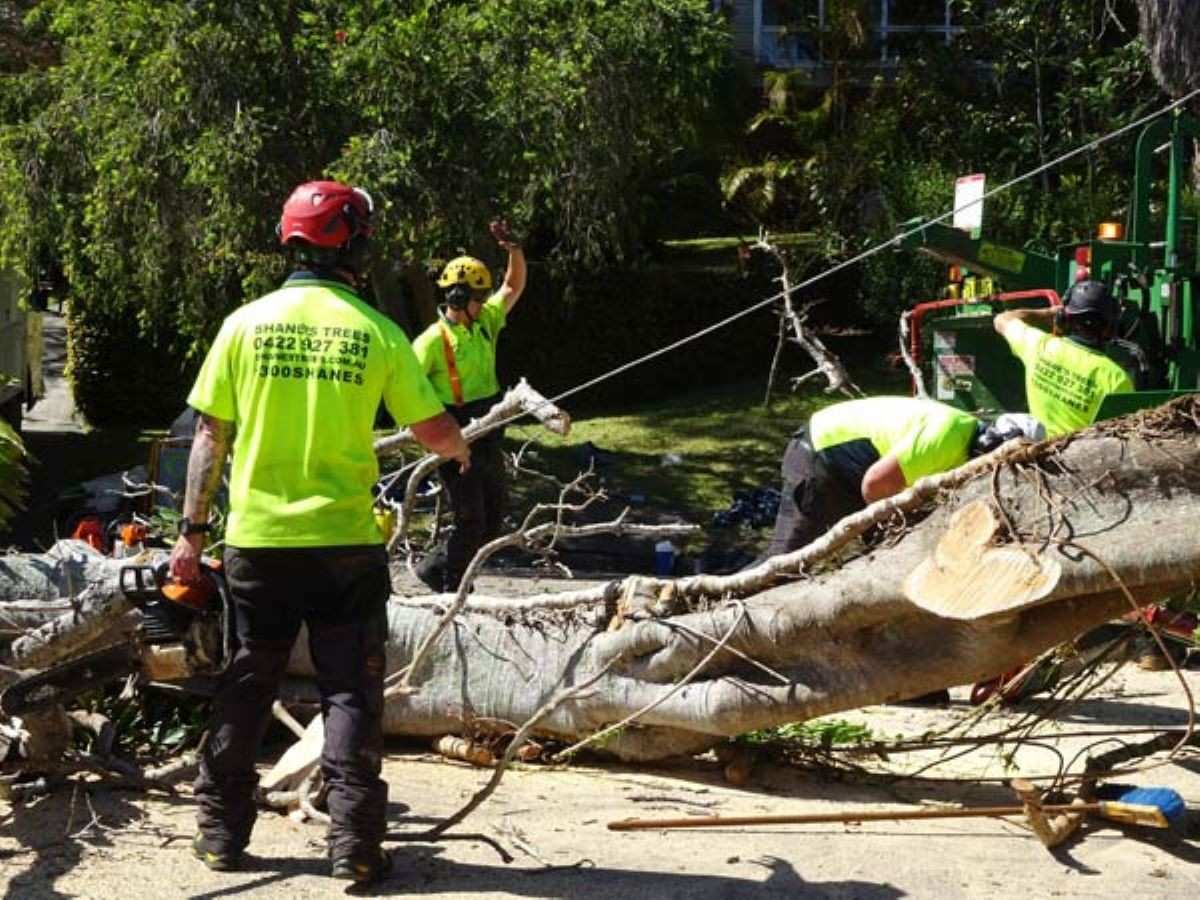
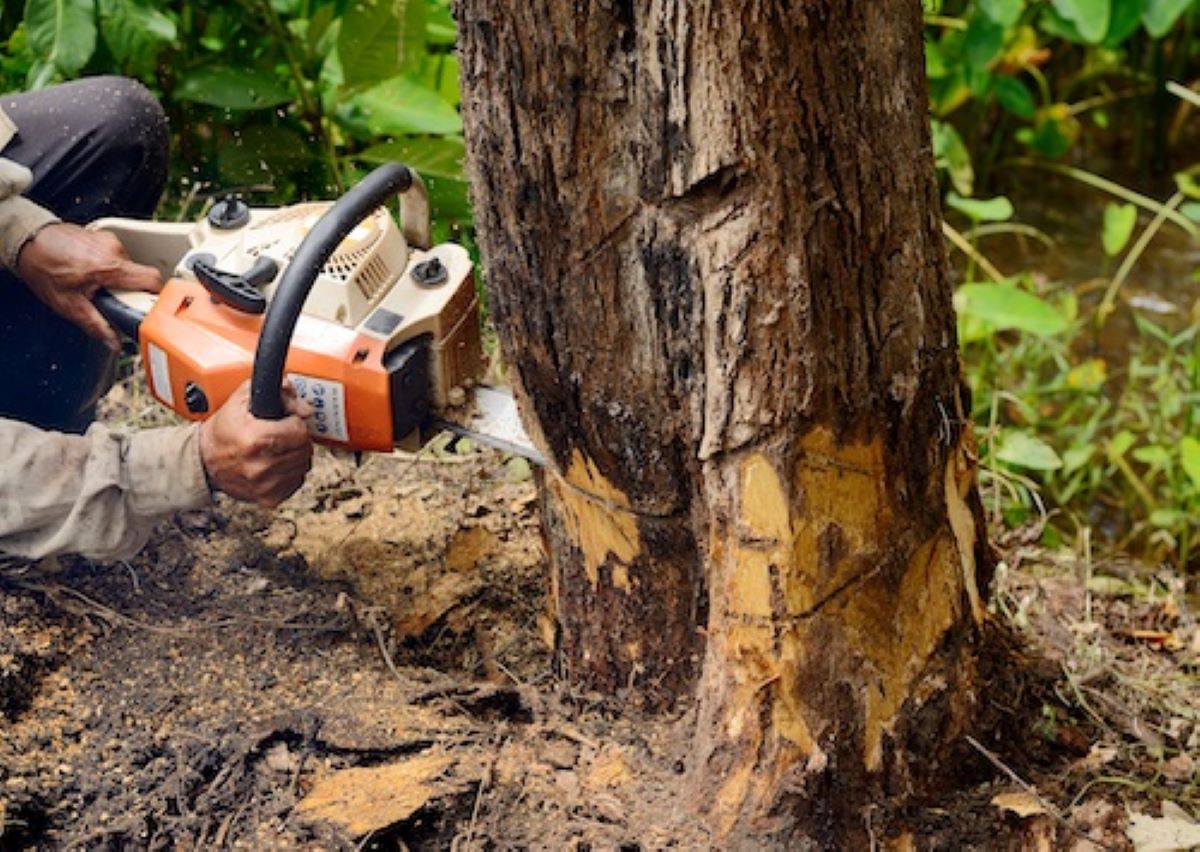
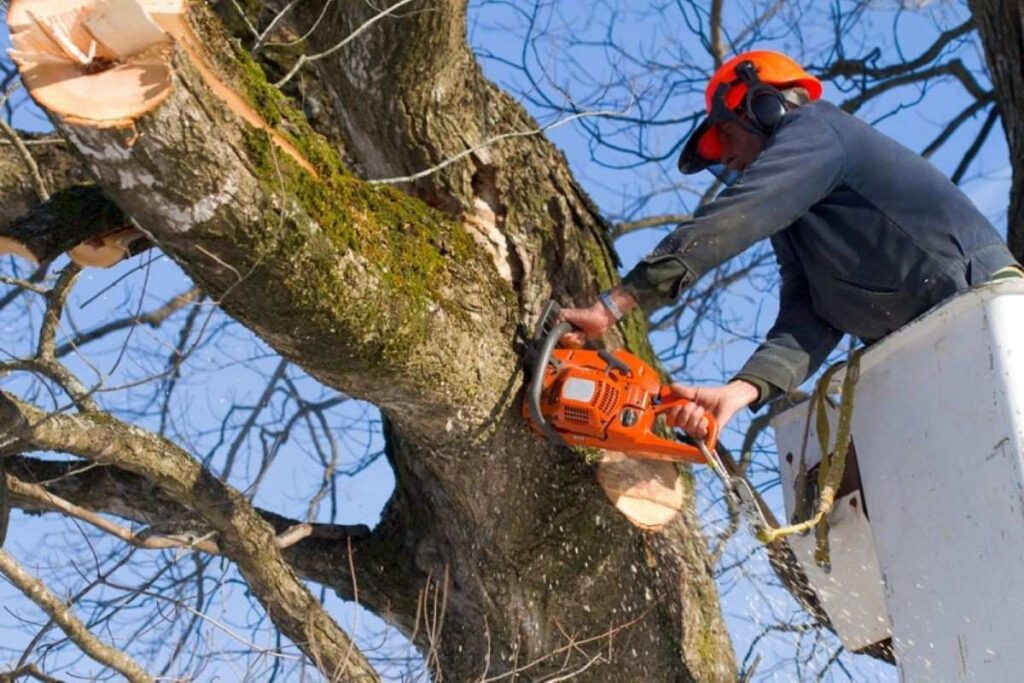
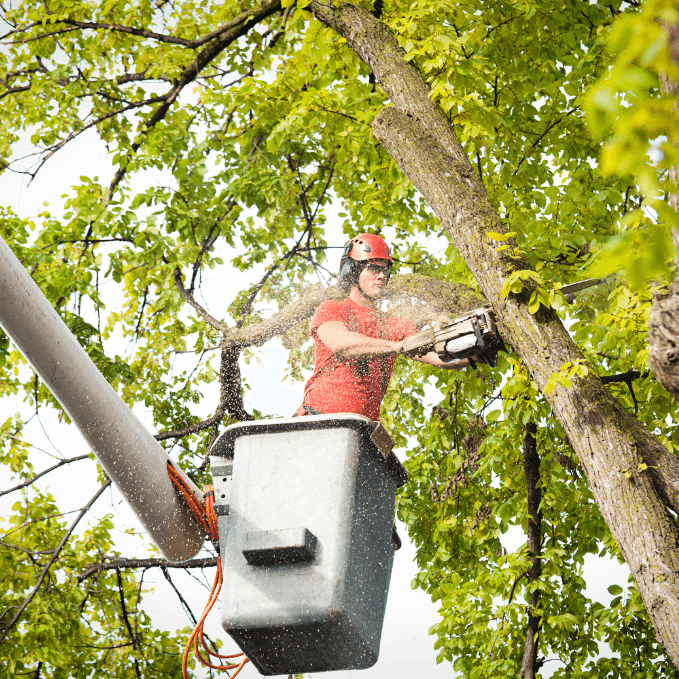
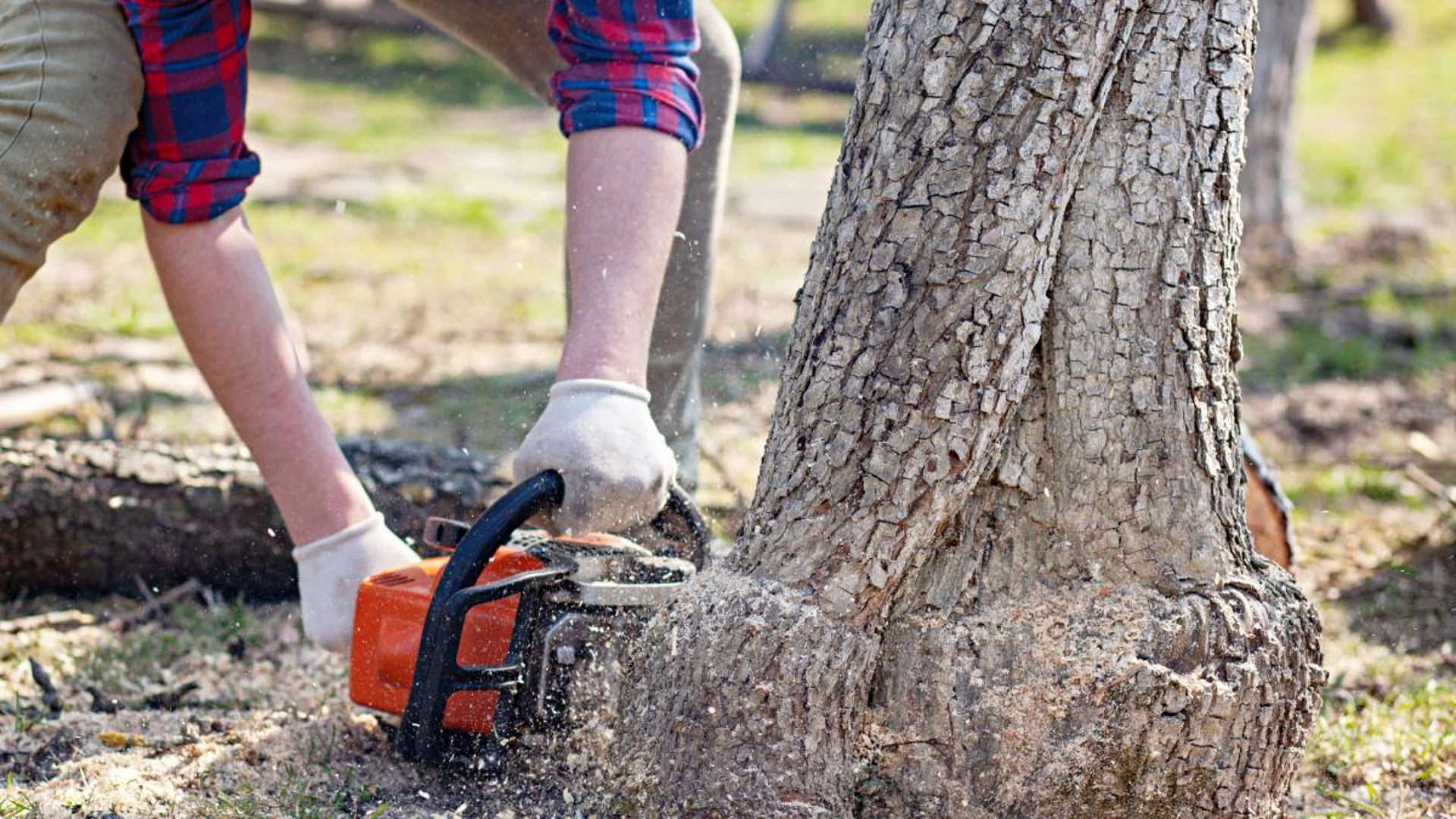
Done well, pruning helps trees stay safer, live longer, and recover faster after rough weather. Done poorly, it can invite pests, rot, and long-term decline.
What makes North Shore coastal conditions tougher on trees?
Coastal exposure dries foliage and burns leaf edges through salt-laden wind, which is why tree pruning North Shore often focuses on strengthening trees against harsh coastal conditions. Strong gusts also create constant movement that can crack weak unions, peel bark, and snap overextended limbs.
Sandy or disturbed soils often drain fast and hold fewer nutrients, so trees may grow with less vigor and slower wound response. That combination means pruning should focus on resilience, not heavy cutting.
Why does pruning matter more near the coast?
Pruning is one of the few controllable tools to reduce wind sail and prevent storm failures. By selectively thinning and correcting structure, they can lower the chance of large limbs tearing out.
It also improves light and airflow through the canopy, which helps reduce fungal pressure in humid coastal pockets. Most importantly, correct pruning cuts preserve the tree’s natural defenses.
When is the best time to prune trees on the North Shore?
The best timing depends on species, health, and goals, but most routine pruning is best scheduled when trees are not under peak stress. For many species, late winter to early spring supports good recovery before strong growth begins.
They should avoid pruning during heatwaves, drought periods, or right before forecast storms. Flowering trees may need timing that protects next season’s blooms, so species-specific planning matters.
How should pruning be adjusted for salt wind and storm exposure?
In coastal sites, pruning should prioritize strong structure and balanced weight. They typically remove deadwood, reduce long lever arms, and lessen end weight on exposed limbs to limit tearing in gusts.
They should avoid aggressive “storm pruning” or topping, because it often triggers weak, fast regrowth that fails later. A slower, staged approach builds strength without shocking the tree.
What are the most important cuts for long-term tree health?
The most valuable cuts are small, targeted, and made at the correct location. They should remove dead, diseased, and rubbing branches first, then address structural issues like co-dominant stems and weak branch unions.
They should keep the branch collar intact and avoid flush cuts, because collars contain protective tissue that helps close wounds. Fewer, better cuts usually beat lots of random thinning.
Which common pruning mistakes cause the biggest coastal problems?
Topping is one of the worst mistakes, especially in windy areas. It creates decay points, forces dense weak shoots, and increases future failure risk.
Over-thinning is another issue because it exposes inner branches to sun and salt wind, leading to scorch and dieback. Cutting too much at once also drains stored energy, which is risky in nutrient-poor coastal soils.
How can they tell whether a tree needs pruning or removal?
If the tree has manageable defects, pruning and support may be enough. Signs that pruning may help include deadwood, crossing branches, one-sided canopies, low clearance issues, or early cracks at branch unions.
Removal becomes more likely when there is extensive decay, major root plate movement, severe lean with soil heaving, or repeated large failures. They should use a qualified assessment before deciding, especially for trees near homes. Click here to learn more about Australia’s forest policies.
What does a good North Shore pruning plan look like?
A solid plan starts with clear objectives: safety clearance, storm resilience, canopy health, or shape. Then it sets limits, such as removing no more than about 10 to 20 percent of live canopy in a visit for many mature trees, depending on species and condition.
They should also schedule follow-ups rather than trying to “finish” everything at once. Coastal trees often respond best to gradual correction.
How should they choose a tree pruning service on the North Shore?
They should look for proper training, safe work practices, and a pruning approach that avoids topping and respects tree biology. A good provider explains what they will remove and why, and they can describe the expected outcome over one to three years.
They should also confirm insurance, working-at-heights safety, and whether protected trees require local approvals. Clear written quotes and a tidy cleanup process also signal professionalism.
What should they do after pruning to support recovery?
After pruning, trees recover best with steady moisture and minimal added stress. They should water during dry spells, mulch correctly to moderate soil temperature, and avoid piling mulch against the trunk.
They should also monitor for dieback, pests, and storm damage in the following months. If they see sap bleeding, new cracks, or sudden leaf drop, an arborist review helps catch problems early.
What is the simplest way to keep coastal trees healthy year-round?
Consistent light maintenance beats occasional heavy pruning. Annual or biennial inspections, small corrective cuts, and early structural training on young trees reduce costly failures later.
On the North Shore, the goal is not a perfectly sculpted canopy. It is a stable, well-spaced structure that can handle salt wind, strong weather, and seasonal stress without breaking down.
What challenges do North Shore coastal conditions pose to tree health?
North Shore coastal conditions expose trees to salt-laden winds that dry foliage and burn leaf edges, strong gusts that cause constant movement leading to cracked unions and snapped limbs, and sandy soils that drain quickly and hold fewer nutrients. These factors result in slower growth and wound recovery, requiring pruning focused on resilience rather than heavy cutting.
Why is specialized pruning important for trees near the North Shore coast?
Pruning near the coast is crucial to reduce wind sail, prevent storm damage, and enhance tree structure. Selective thinning lowers the risk of large limb failures, improves light and airflow reducing fungal pressure, and preserves the tree’s natural defenses through proper cuts tailored to coastal stressors.
When is the optimal time to prune North Shore coastal trees?
The best time to prune depends on species, health, and goals but generally falls in late winter to early spring when trees are not under peak stress. This timing supports good recovery before active growth. Avoid pruning during heatwaves, droughts, or immediately before storms. For flowering species, plan pruning to protect next season’s blooms.
How should pruning techniques be adapted for salt wind and storm exposure on the North Shore?
Pruning should prioritize building strong structure and balanced weight by removing deadwood, reducing long lever arms, and lessening end weight on exposed limbs to minimize breakage in gusts. Avoid aggressive topping or storm pruning as it promotes weak regrowth; instead, use a gradual staged approach to strengthen trees without causing shock.
What are the key pruning cuts that promote long-term health of coastal trees?
Effective pruning involves small, targeted cuts made at correct locations—removing dead, diseased, or rubbing branches first followed by addressing structural issues like co-dominant stems or weak unions. Maintaining the branch collar intact is vital since it contains protective tissue aiding wound closure. Quality over quantity in cuts ensures better tree health.
What common pruning mistakes should be avoided for coastal trees on the North Shore?
Avoid topping as it creates decay points, dense weak shoots, and increases failure risk especially in windy areas. Over-thinning exposes inner branches to sun and salt wind causing scorch and dieback. Excessive cutting drains stored energy critical in nutrient-poor soils. Proper pruning respects tree biology and minimizes stress for healthier coastal trees.
What makes tree pruning on large properties different?
Large properties usually involve bigger trees, more trees, and more access constraints. The best services treat it like a planned job, not a quick trim.
They should be comfortable coordinating machinery, traffic control if needed, and staged pruning so the property stays usable. They also need the experience to balance safety, tree health, and aesthetics across many zones, not just one front-yard tree.
How can they tell if a service is properly qualified and insured?
They should be able to show public liability insurance and workers compensation details without hesitation, which is especially important when hiring tree pruning services Sydney for residential or large-scale work. For large properties, higher coverage is common, so the policy limits matter.
They should also demonstrate arborist capability, not just “tree lopping” experience. If they mention standards-based pruning, tree biology, and risk assessment, that is a good sign they understand professional tree care rather than just removal-style cutting.
What questions should they ask about pruning methods and tree health?
They should ask exactly what cuts will be made and why, especially for mature trees. A good provider explains whether they are reducing weight, improving structure, clearing buildings, or removing deadwood.
They should avoid services that push heavy topping or indiscriminate cutting. Proper pruning focuses on tree health, structural integrity, and long-term maintenance cycles, not quick visual “neatening” that leads to weak regrowth and higher future risk.
How do they confirm the team can handle access, equipment, and logistics?
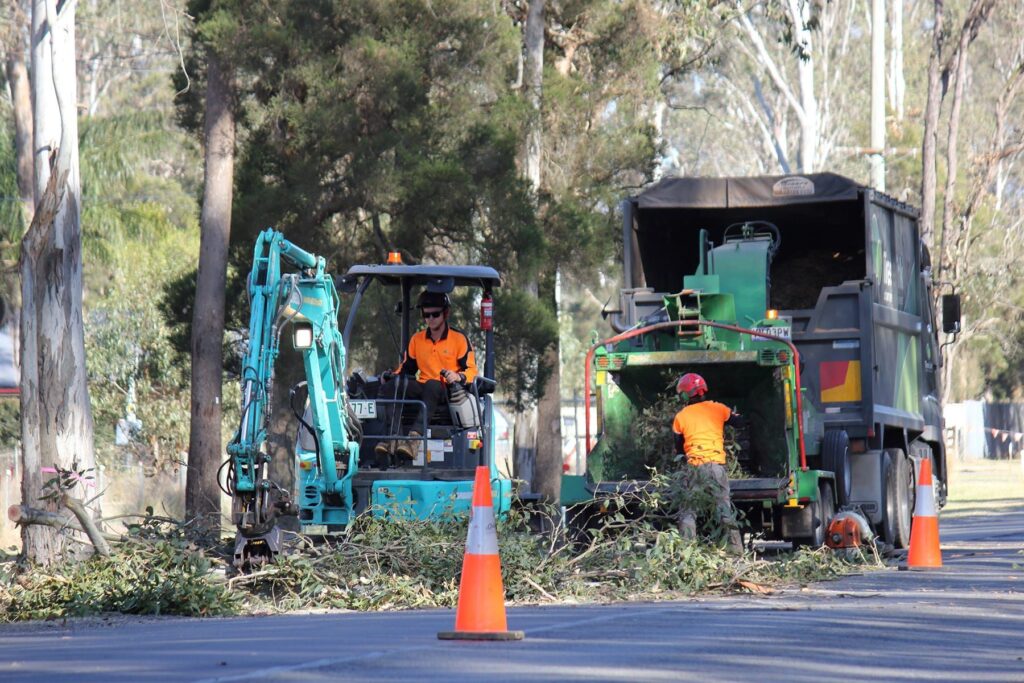
They should ask what equipment will be used and how it will be brought on-site. Large blocks often require elevated work platforms, rigging systems, cranes, or heavy chippers, plus safe drop zones.
They should also ask about protection for lawns, irrigation, gardens, and driveways. The best teams plan entry and exit routes, use ground protection where needed, and describe how they will manage branches over sheds, fences, pools, and neighbouring lots.
What should they check about council rules and neighbour risks in Sydney?
They should ask whether approvals are needed for the specific site and species. In parts of Sydney, tree preservation controls, heritage constraints, or protected vegetation rules can apply, and mistakes can be expensive.
They should also ask how the team will manage boundary trees and overhangs. A professional service raises neighbour considerations early, confirms property lines if needed, and documents the scope so disputes are less likely.
How can they judge safety standards on a large site?
They should look for a clear safety approach, not vague reassurance. A good provider explains how they will control drop zones, protect people and structures, and manage chainsaw work at height.
They should also ask who will supervise the job and how hazards will be handled, including unstable limbs, powerlines, termites, or storm-damaged trees. If the provider seems casual about high-risk scenarios, that usually carries into the work. You may like to visit https://www.safeworkaustralia.gov.au/media-centre/news/guide-managing-risks-tree-work to learn more guide to managing the risks of tree work.
What does a good quote look like for a large-property pruning job?
They should expect a detailed quote that separates trees or zones, describes the pruning type, and lists inclusions like green waste removal, stump-free finish, and clean-up standards.
They should also confirm what changes the price, such as hidden decay, access changes, or extra rigging. For big properties, the best companies often propose a staged plan or annual cycle, which can be more cost-effective than one massive catch-up prune.
How should they compare services beyond the cheapest price?
They should compare scope accuracy, pruning quality, and risk management, not just the total. The cheapest quote can be the most expensive outcome if it leads to tree decline, failures in storms, or repeated reactive callouts.
They should prioritise teams that communicate clearly, document their approach, and offer practical options. A strong service feels organised from the first site visit, because large-property pruning is mostly planning done before the first cut. Click here to learn more about tree pruning North Shore: Maintaining Tree Health in Coastal Conditions.
What final checks help them choose confidently?
They should ask for recent local references for similar-sized properties and confirm timelines in writing. They should also ask who handles clean-up and how long the site will be affected.
Most importantly, they should choose a team that treats pruning as long-term tree care. For large properties in Sydney, the best outcome is safer trees, healthier canopies, and a maintenance plan that prevents emergency work later.
FAQs (Frequently Asked Questions)
What makes tree pruning on large Sydney properties different from smaller ones?
Tree pruning on large Sydney properties involves managing bigger and more numerous trees with complex access constraints. Unlike quick trims, the best services treat it as a planned job that coordinates machinery, traffic control, and staged pruning to maintain property usability while balancing safety, tree health, and aesthetics across multiple zones.
How can I verify if a tree pruning service is properly qualified and insured for large properties?
A qualified service should readily provide public liability insurance and workers compensation details with adequate coverage for large properties. They should demonstrate arborist expertise by discussing standards-based pruning, tree biology, and risk assessment rather than just offering basic tree lopping or removal services.
What questions should I ask regarding pruning methods to ensure tree health on my property?
Ask the provider what specific cuts will be made and their purpose—whether it’s reducing weight, improving structure, clearing buildings, or removing deadwood. Avoid services promoting heavy topping or indiscriminate cutting; proper pruning focuses on long-term tree health, structural integrity, and maintenance cycles rather than quick visual neatening that risks weak regrowth.
How do I confirm that the pruning team can handle access, equipment, and logistics for my large property?
Inquire about the equipment they plan to use such as elevated work platforms, rigging systems, cranes, or heavy chippers and how these will be brought onsite. They should also explain protection measures for lawns, irrigation systems, gardens, driveways, and how they manage branches over sheds, fences, pools, and neighboring lots with clear entry and exit routes and ground protection where needed.
What should I check regarding council regulations and neighbour considerations when pruning trees in Sydney?
Verify if approvals are required for your site and specific tree species due to local tree preservation controls, heritage constraints, or protected vegetation rules. Ensure the team proactively manages boundary trees and overhangs by discussing neighbour considerations early on, confirming property lines if necessary, and documenting the scope of work to minimize potential disputes.
How can I assess the safety standards of a tree pruning service on a large site?
Look for a clear safety plan detailing how drop zones will be controlled, people and structures protected, and chainsaw work at height managed. Ask who supervises the job and how hazards like unstable limbs, powerlines, termites, or storm damage are handled. Providers who appear casual about high-risk scenarios often carry that approach into their work—choose those with thorough safety protocols.
If you’ve recently had a tree removed in Sydney, you’re likely staring at the final hurdle: a stubborn, unsightly stump. While felling the tree is the main event, the stump remains anchored by a complex root system that requires specialized machinery to eliminate.
In 2026, the Sydney market for arboriculture has seen a shift due to rising fuel costs and stricter disposal regulations. Understanding the nuances of stump grinding costs in Sydney is essential to ensure you aren’t overcharged and that the job is done deep enough for your future landscaping plans.
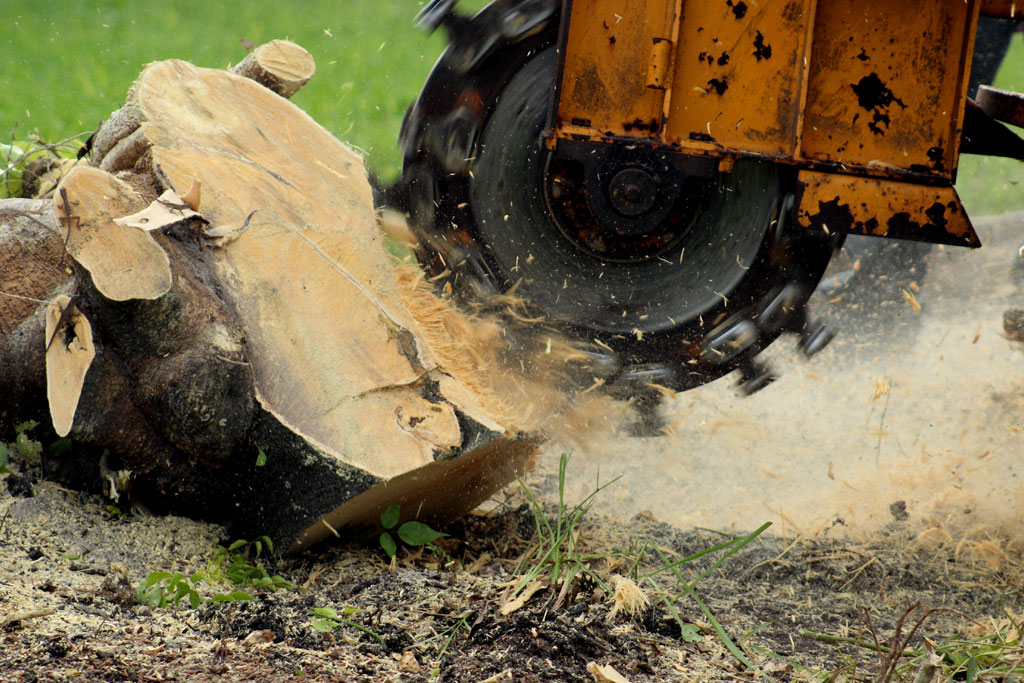
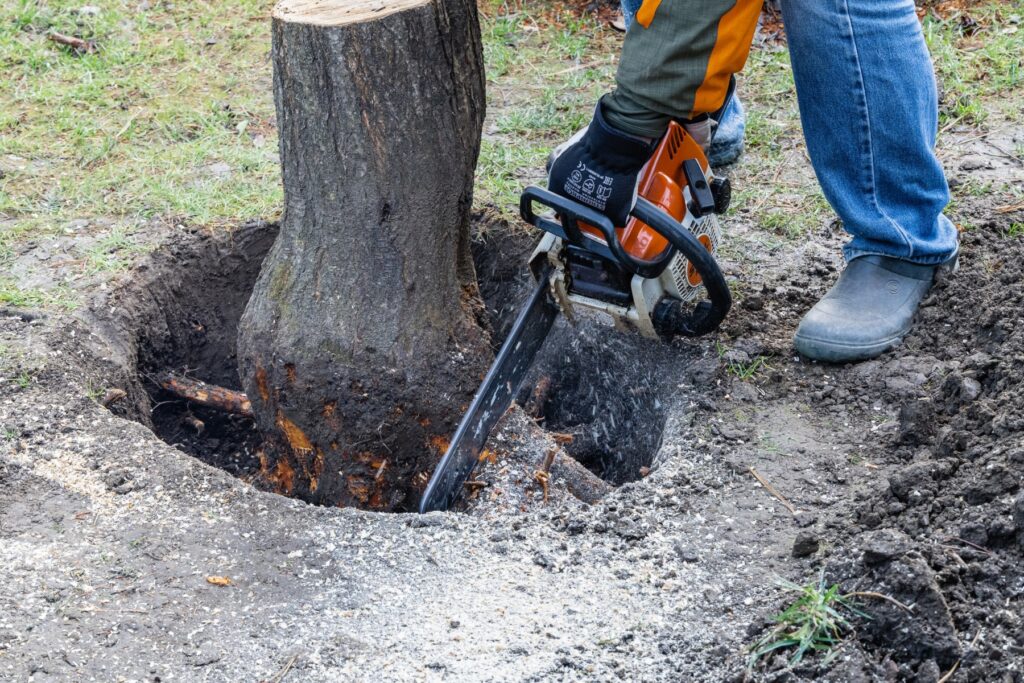
Stump grinding is the process of using a high-speed rotating disk with carbide-tipped teeth to chew away at tree wood. Unlike full “stump removal”—which involves an excavator pulling the entire root ball out of the earth—grinding focuses on the stump itself and the immediate surface roots.
Why Sydney homeowners choose grinding:
Cost-Efficiency: It is significantly cheaper than full excavation.
Minimal Disruption: It won’t destroy your entire lawn or underground pipes.
Instant Re-use: The process creates nutrient-rich mulch you can use in your garden immediately.
Safety & Pests: Leaving a stump invites termites (a major concern in NSW) and creates a permanent trip hazard.
The Core 2026 Pricing Structure in Sydney
In Sydney, professional arborists typically use one of two pricing models: a flat minimum call-out fee for small jobs or a per-centimeter rate for larger projects.
1. The Minimum Call-Out Fee
For 2026, most reputable Sydney-based specialists have set a minimum call-out fee of $200–$250. This covers the “logistics tax”—transporting heavy machinery through Sydney traffic, tolls (M4/M5/M8), and the time required for site setup and safety checks. If you have a single small stump (under 30cm), expect to pay this baseline amount regardless of how fast the job takes.
2. Price Per Diameter (Centimeter)
For stumps exceeding the minimum threshold, Sydney professionals usually charge by the width of the stump at its widest point (the flare at ground level).
Stump Type
2026 Cost Per CM (Avg)
50cm Stump Total
Softwood (e.g., Palm, Pine)
$3.00 – $3.50
$150 – $175*
Standard Hardwood
$3.50 – $4.00
$175 – $200*
Dense Hardwood (e.g., Gum, Ironbark)
$4.00 – $4.50
$200 – $225*
*Note: If the total falls below the $200-$250 minimum call-out, the higher minimum fee will apply.
Hardwood vs. Softwood: The 20% “Gum Tax”
In Sydney, the species of your tree dictates the “grindability” of the stump. Specifically, hardwoods like Sydney Blue Gum or Ironbark typically cost 20% more to grind than softwoods like Palms.
Why Hardwood Costs More:
Density: Hardwood is physically denser, meaning the cutting teeth on the grinder dull faster and require more fuel to power through.
Time: A 60cm Blue Gum stump may take 90 minutes to grind, whereas a 60cm Cocos Palm might take only 20 minutes.
Root Complexity: Native Australian Gums often have “lateral” surface roots that extend far from the trunk, requiring additional passes with the machine.
Key Factors That Influence Your Quote
Beyond just the diameter, several variables can push your Sydney stump grinding quote toward the higher end of the scale:
1. Site Accessibility
Sydney’s inner-west and eastern suburbs are famous for narrow side-gates. If a standard machine cannot fit through a gate (usually requiring 750mm–900mm width), the arborist must use a smaller, hand-portable grinder. These smaller machines take longer to do the same work, often increasing the labor cost by 15–25%.
2. Grinding Depth
A “standard” grind usually goes 150mm–200mm below the surface. However, if you plan to lay a concrete slab or a driveway, you may need a Deep Grind (up to 400mm+). This involves moving more earth and significantly more machine time.
3. Surface Root Tracing
If your tree has “tributary” roots lifting up your lawn, you’ll need “root tracing.” This is usually charged as an add-on, ranging from $50 to $150 depending on how far the roots spread.
4. Waste Disposal
The grinding process creates a large volume of mulch (the volume of the hole plus air). Most quotes include leaving this mulch on-site for you to use. If you want the arborist to rake it up, bag it, and haul it away, expect an additional $80–$120 for labor and tip fees.
The Step-by-Step Professional Grinding Process
When you hire a pro in Sydney, here is the framework they follow to ensure safety and efficiency:
Underground Service Check: The operator checks for “Dial Before You Dig” plans to ensure no gas or water lines are under the stump.
Clearance: Rocks and debris are removed from the base to prevent damage to the grinder’s teeth.
The Primary Grind: The machine sweeps across the stump, taking off 2-5cm layers at a time.
Lateral Root Removal: The machine “chases” any visible surface roots.
Backfilling: The hole is filled with the resulting mulch to prevent a hazard, or left open for fresh soil if requested.
DIY vs. Professional: Is it Worth It?
Many Sydney residents consider hiring a stump grinder from a local equipment hire shop. In 2026, daily hire for a small grinder is roughly $180–$250.
The Hidden Costs of DIY:
Trailer Hire: $60–$100.
Fuel & Protection Gear: $40.
Risk: If you hit a rock and break a tooth on a hire machine, you are often liable for the replacement cost (up to $50 per tooth).
Effectiveness: Commercial grinders used by pros are usually 3x more powerful than hire-shop models, saving you a full day of back-breaking labor.
Expert Tip: If you have more than three stumps, the professional “per stump” rate usually drops significantly. Always ask for a “bulk discount” if you have multiple items for removal.
Common Mistakes to Avoid
Ignoring Surface Roots: Only grinding the “puck” (the center) while leaving the roots will lead to lawn mower damage later.
Underestimating Depth: If you are planting a new tree in the same spot, you must specify a deep grind to remove the core root ball.
Not Checking Insurance: Always ensure your Sydney arborist has Public Liability insurance (minimum $10M) to cover potential damage to fences or underground pipes.
Frequently Asked Questions (FAQ)
1. How do I measure my stump for a quote?
Measure at the widest point where the trunk meets the ground (the “root flare”), not just the top of the cut timber. This gives the most accurate diameter for pricing.
2. Will the stump grow back after grinding?
Most species will not. However, certain “prolific” trees like Willows or some Eucalyptus may send up shoots. You can request a herbicide treatment for an extra $30–$50 to guarantee no regrowth.
3. Is stump grinding included in tree removal?
Not usually. Most Sydney tree loppers quote felling and grinding as two separate line items. Always clarify if the “total price” includes the stump.
4. How long does the mulch take to rot?
Fresh woodchip mulch can take 6–12 months to break down completely. It is excellent for weed suppression but can temporarily strip nitrogen from the soil if dug in too early.
5. Do I need a council permit for stump grinding in Sydney?
Usually, no. While removing a living tree often requires a permit from councils like Northern Beaches or Sutherland Shire, once the tree is legally removed, the stump is considered a “maintenance” item.
Conclusion: Securing the Best Rate in Sydney
Navigating stump grinding costs in Sydney doesn’t have to be a guessing game. By measuring your stump’s diameter and identifying if it’s a dense hardwood like a Gum or a softer species like a Palm, you can estimate your costs within a 10% margin.
Remember that while price is important, the “minimum call-out” fee of $200–$250 is standard for the industry in 2026. To get the best value, try to bundle multiple stumps into one visit or coordinate with a neighbor to share the call-out fee.
Internal Linking & Authority Suggestions:
Internal Link: [Tree Removal Costs Sydney 2026] (Anchor: “average tree removal costs”)
Internal Link: [Best Native Trees for Sydney Gardens] (Anchor: “replanting after stump removal”)
External Reference: Check the NSW Department of Primary Industries for guidelines on termite prevention in residential wood waste.
External Reference: Refer to SafeWork NSW for arborist safety standards and insurance requirements.
What does an arborist actually do beyond “tree cutting”?
An arborist assesses tree health, structural stability, and risk, then chooses the least invasive work that achieves safety. Their role includes pruning, removal, disease diagnosis, soil and root care, cabling and bracing, and storm response.
A true arborist is there to manage living assets. Cutting is only one tool, and often not the first one.
Why is “North Shore experience” important for safe outcomes?
Local experience matters because species, weather patterns, soil types, and council regulations vary by area. Choosing professional tree services North Shore residents trust means working with a team that understands common local issues like wind exposure, coastal salt stress, and recurring storm damage patterns.
Experienced tree services North Shore providers also recognise typical property constraints such as tight access, neighbouring fences, and close proximity to houses, all of which affect rigging methods and safe drop zones.
How can they confirm the arborist is qualified and insured?
They should ask for proof, not promises. A qualified operator can explain their training, provide certification details, and show current insurance documents.
At minimum, they should hold public liability insurance suitable for tree work. If staff are involved, they should also have appropriate worker cover. If they hesitate or provide vague answers, it is a strong sign to keep looking.
What questions should they ask before booking any tree work?
They should ask how the job will be done, not just what will be done. Good questions include: What is the risk they are addressing, and what alternatives were considered? How will they protect nearby structures, gardens, and neighbours? Who will be onsite, and who is supervising?
They should also ask what cleanup is included, whether stump grinding is separate, and how green waste will be removed.
How do they spot red flags in quotes and recommendations?
A suspicious quote is often either extremely cheap or extremely vague. If a contractor recommends topping, heavy lopping, or “cutting it back hard to be safe” without discussing structure, that is a concern. Topping can create weak regrowth, decay, and higher future risk.
They should be wary of anyone who will not inspect the tree in person, pressures for immediate decisions, or cannot explain the plan clearly.
How should they compare arborist quotes fairly?
They should compare scope, method, and risk controls, not just price. A safer quote may include rigging, traffic management, extra crew, and a climber rather than relying on unsafe ladder work.
They should check whether the quote includes waste removal, log splitting, mulch, stump grinding, and any follow up. They should also confirm whether the price changes if hidden defects are found once work begins.
What safety practices should a good arborist describe upfront?
They should be able to explain how they will manage falling timber, equipment, and public safety. This includes establishing exclusion zones, using correct rigging, and controlling drop direction. For complex jobs, they may use cranes, elevated work platforms, or sectional dismantling.
They should also discuss what happens near powerlines, because that work may require special clearance rules and coordination with the network provider.
When is pruning safer than removal, and who decides?
Pruning is often safer and better for the tree when the goal is clearance, deadwood removal, weight reduction, or improving structure. Removal is usually reserved for dead, hazardous, severely compromised, or poorly located trees where risk cannot be reduced adequately.
A responsible arborist explains the trade-offs and recommends the minimum intervention that achieves safety. They should document why removal is needed if that is their recommendation.
How can they ensure the work protects the tree’s long term health?
They should confirm pruning standards and ask how much canopy will be removed. Over-pruning can stress trees, trigger weak shoots, and increase sunburn and decay. A skilled arborist makes clean cuts in the right locations and avoids stripping interior growth unnecessarily.
They should also consider timing, because some species respond poorly to heavy work during certain seasons or heat.
What about council rules, neighbours, and protected trees?
They should ask early whether permits are required, especially for protected species, significant trees, or work in sensitive zones. A local arborist should be familiar with common permission pathways, but the responsibility still needs to be clear.
They should also discuss neighbour impacts like boundary trees, shared fences, access, noise, and debris. Clear communication prevents disputes and delays.
What should they expect on the day of the job?
They should expect a brief site review, confirmation of the scope, and a clear safety setup before cutting starts. A professional crew arrives with PPE, signage if needed, and equipment suited to the plan, not improvised tools.
They should also expect tidy progress: controlled lowering of sections, protection for lawns and garden beds where practical, and a final cleanup that matches the quote.
How do they choose the right arborist North Shore with confidence?
They should choose the operator who can explain risks, show qualifications and insurance, and provide a clear, safety-first method statement. The right arborist North Shore will recommend the least aggressive option that achieves safety, then execute it with disciplined site control.
If they feel rushed, confused, or pressured, it is safer to pause and get another assessment.
What services does a professional arborist North Shore provide beyond basic tree cutting?
A professional arborist North Shore assesses tree health, structural stability, and risk before selecting the least invasive work to ensure safety. Their services include pruning, removal, disease diagnosis, soil and root care, cabling and bracing, and storm response. They focus on managing living assets rather than just cutting trees.
Why is choosing an arborist with North Shore experience important for safe and effective tree maintenance?
Local North Shore experience is crucial because it ensures familiarity with species, weather patterns, soil types, and council regulations unique to the area. An experienced arborist understands local challenges such as wind exposure, coastal salt stress, storm damage patterns, and property constraints like tight access or proximity to houses, all of which influence safe rigging and drop zones.
How can I verify that an arborist North Shore is qualified and properly insured?
You should request proof of qualifications and insurance rather than relying on promises. A qualified arborist can explain their training, provide certification details, and show current public liability insurance suitable for tree work. If they have staff, appropriate worker cover should also be in place. Hesitation or vague answers are red flags to seek another operator.
What key questions should I ask an arborist before booking any tree maintenance work?
Ask how the job will be done—not just what will be done. Inquire about the risks being addressed and alternatives considered; how nearby structures, gardens, and neighbours will be protected; who will be onsite and supervising; cleanup procedures; whether stump grinding is included or separate; and how green waste will be managed.
How do I identify red flags in arborist quotes or recommendations on the North Shore?
Beware of quotes that are extremely cheap or vague. Recommendations for topping, heavy lopping, or aggressive cutting without discussing tree structure are concerning because topping can cause weak regrowth and decay. Avoid operators who won’t inspect the tree in person, pressure you for immediate decisions, or cannot clearly explain their plan.
What safety practices should a reputable North Shore arborist describe before starting work?
A reputable arborist will explain how they manage falling timber, equipment use, and public safety by establishing exclusion zones, using proper rigging techniques, and controlling drop directions. For complex jobs they may employ cranes or elevated platforms. They should also discuss protocols near powerlines including clearance rules and coordination with network providers to ensure compliance and safety.
What do professional arborists in Hornsby actually do for tree health?
They inspect trees for structure, growth patterns, pests, disease, and site stressors, then recommend targeted work. That might include pruning, canopy management, soil improvement, cabling, or removal of a failing tree.
The key difference is precision. Instead of cutting “what looks messy,” they work to improve stability, airflow, light penetration, and future form.
Why is correct pruning the biggest driver of long-term tree health?
Correct pruning reduces defects that become expensive problems later. Professional Tree Services Hornsby providers remove dead, rubbing, or poorly attached branches before they fail, while keeping enough healthy canopy for the tree to produce energy.
Tree services Hornsby experts also avoid common mistakes like topping or excessive canopy removal, which can trigger weak regrowth, sunburn, decay, and ongoing stress. When done properly, pruning guides strong structure that can last for decades.
How does routine maintenance prevent disease and pest outbreaks?
Many diseases and pests take hold in stressed trees first. Professional services reduce stress by improving canopy balance, removing infected material when appropriate, and spotting early warning signs.
They also help prevent spread. Proper tool hygiene, correct timing, and safe disposal of diseased debris can lower the chance of reinfection or transmission to nearby plants.
How do tree services improve soil and root health in Hornsby conditions?
Roots drive long-term health, but they are easy to damage with compaction, construction, and poor drainage. Tree professionals identify soil problems and recommend steps like mulching, aeration, and root-zone protection.
They also advise on irrigation patterns and competition from turf or garden beds. Small changes, like widening a mulch ring and keeping soil off the trunk flare, can significantly improve vigor.
Why does structural assessment matter as trees mature?
A tree can look healthy while developing structural faults. Professionals assess included bark, poor branch unions, leans, cavities, and imbalanced crowns, then decide whether pruning, bracing, or staged reduction is needed.
This matters for long-term health because failures often start as manageable defects. Early correction reduces wounding, decay development, and sudden limb loss during storms.
When does tree removal actually protect the health of surrounding trees?
Removal is sometimes the healthiest decision for the site. If a tree is dead, severely compromised, or carrying a high-risk disease, removal can prevent damage and reduce pathogen pressure on nearby trees.
Professionals also plan removals to avoid harming retained trees. Correct rigging, access planning, and stump management reduce unnecessary root disturbance and soil disruption.
How does professional work reduce storm damage without overcutting?
Storm resilience is built through balanced canopies and strong branch structure, not aggressive thinning. Tree services reduce sail effect carefully, remove defective limbs, and shape crowns so loads distribute more evenly.
They also consider species traits and local exposure. The result is a tree that holds up better in wind and rain while still maintaining enough canopy to stay healthy.
What should they expect from a high-quality tree service in Hornsby?
They should expect clear recommendations, not pressure. A good provider explains what is being done, why it helps, and what to watch next season.
They should also expect safe, standards-based work, proper equipment, qualified staff, and tidy site management. Long-term tree health is a process, so the best services leave a plan, not just a cut tree.
What services do professional arborists in Hornsby provide to maintain healthy trees?
Professional arborists in Hornsby inspect trees for structure, growth patterns, pests, diseases, and site stressors. They recommend targeted work such as pruning, canopy management, soil improvement, cabling, or removal of failing trees. Their precise approach improves tree stability, airflow, light penetration, and future form to promote long-term health.
Why is correct pruning essential for the long-term health of trees in Hornsby?
Correct pruning reduces defects that could lead to expensive problems by removing dead, rubbing, or poorly attached branches before failure while preserving enough healthy canopy for energy production. It avoids harmful practices like topping or excessive canopy removal that cause weak regrowth and stress. Proper pruning guides strong tree structure for decades.
How does routine tree maintenance help prevent disease and pest outbreaks in Hornsby?
Routine maintenance reduces tree stress by improving canopy balance and removing infected material when necessary. Professional arborists spot early warning signs of pests and diseases and practice proper tool hygiene, timing, and safe disposal of diseased debris to prevent reinfection or spread to nearby plants.
In what ways do tree services improve soil and root health under Hornsby conditions?
Tree professionals identify soil problems caused by compaction, construction, or poor drainage and recommend mulching, aeration, and root-zone protection. They advise on irrigation patterns and managing competition from turf or garden beds. Simple actions like widening mulch rings and keeping soil off the trunk flare significantly boost root vigor and overall tree health.
Why is structural assessment important as trees mature in Hornsby?
Structural assessments detect faults such as included bark, poor branch unions, leans, cavities, and imbalanced crowns that might not be visible but threaten tree stability. Early correction through pruning, bracing, or staged reduction prevents wounding, decay development, and sudden limb loss during storms—ensuring long-term tree health.
When is tree removal necessary to protect the health of surrounding trees in Hornsby?
Tree removal is necessary when a tree is dead, severely compromised, or carrying high-risk diseases that could damage nearby trees or increase pathogen pressure. Professionals plan removals carefully using correct rigging and stump management to avoid harming retained trees by minimizing root disturbance and soil disruption.
How Can Wood Mulch Help Retain Soil Moisture in Your Garden?
Wood mulch acts as a protective blanket that dramatically reduces water loss from your soil. When you spread a layer of wood chips across your garden beds, it creates a physical barrier between the soil surface and the atmosphere, blocking direct sunlight and wind—the two primary drivers of evaporation.
How Does Wood Mulch Retain Soil Moisture?
The mechanism behind this soil moisture retention is straightforward yet powerful. Without mulch, water evaporates rapidly from exposed soil, particularly during hot, sunny days. A 2-3 inch layer of wood chips intercepts solar radiation before it reaches the soil, keeping the surface cooler and maintaining higher humidity levels beneath the mulch layer. This microclimate preserves moisture that would otherwise escape into the air.
The impact on your watering routine can be substantial:
Gardens with wood mulch typically require 30-50% less frequent watering compared to bare soil
Water conservation becomes significant during summer months when evaporation rates peak
Plants experience more consistent moisture availability, reducing stress from wet-dry cycles
Root systems develop more effectively in stable moisture conditions
How Does This Benefit Your Garden?
This evaporation reduction translates directly into water usage efficiency. You’ll spend less time dragging hoses around your garden and see lower water bills if you’re on a metered supply. The soil beneath wood mulch stays moist for days longer after rainfall or irrigation, giving plant roots extended access to water. During drought periods, this moisture-holding capacity can mean the difference between thriving plants and stressed, struggling specimens.
The moisture retention benefit proves particularly valuable for water-conscious gardeners and those in regions facing water restrictions or naturally dry climates.
How Wood Mulch Naturally Suppresses Weeds in Your Garden
Wood mulch creates a physical barrier that prevents weed seeds from accessing the light they need to germinate. When you apply a 2–3 inch layer of wood chips, you effectively block sunlight from reaching dormant weed seeds in the soil below, stopping them before they can sprout.
The Science Behind Sunlight Blocking Mulch
Most weed seeds require direct sunlight exposure to trigger germination. Wood chips act as an opaque shield that keeps the soil surface in darkness. Without this crucial light stimulus, seeds remain dormant or die off. Even aggressive weeds struggle to push through a properly maintained mulch layer, as the physical weight and density of wood chips create an inhospitable environment for seedling emergence.
The thickness of your mulch layer directly impacts its effectiveness at weed suppression. A thin 1-inch layer may allow some light penetration and provide insufficient resistance to emerging weeds. The recommended 2–3 inch depth ensures comprehensive coverage whilst still allowing water and air to reach plant roots.
Chemical-Free Gardening Through Natural Weed Control
Avoiding herbicides protects the complex ecosystem living in your garden soil. Chemical weed killers don’t discriminate—they can harm beneficial microorganisms, earthworms, and soil fungi that support plant health. Wood mulch offers an alternative that maintains soil biology intact.
Gardens using wood mulch instead of herbicides show higher populations of beneficial insects and pollinators. These creatures play essential roles in pest control and plant reproduction. Chemical residues from weed killers can persist in soil for months or years, potentially affecting vegetables and fruits grown for consumption.
Long-Term Benefits for Soil Quality
Herbicide-free weed management preserves soil structure and fertility. Chemical treatments can alter soil pH, reduce microbial diversity, and create conditions where beneficial organisms struggle to thrive. Wood mulch maintains the natural balance whilst still delivering effective weed suppression.
The mulch layer also prevents new weed seeds from blowing into your garden and making contact with soil. Seeds that land on top of wood chips typically dry out before they can establish roots, adding another layer of protection to your chemical-free gardening approach.
How Does Wood Mulch Regulate Soil Temperature in Your Garden?
Wood mulch acts as a natural insulator, creating a protective barrier that moderates soil temperature fluctuations throughout the year. This layer shields the ground from extreme heat in summer and bitter cold in winter, maintaining a more consistent environment for plant roots.
Summer Cooling Effect
During hot months, bare soil can heat up rapidly under direct sunlight, sometimes reaching temperatures that stress or damage delicate root systems. A 2-3 inch layer of wood chips reflects sunlight and prevents heat from penetrating deeply into the ground. The mulch itself absorbs much of the thermal energy, keeping the soil beneath cooler by several degrees. This soil temperature stability proves particularly valuable for shallow-rooted plants and young seedlings vulnerable to heat stress.
Winter Insulation Protection
When temperatures drop, wood mulch provides crucial insulation benefits by trapping warmth in the soil. The air pockets within the wood chip layer slow heat loss, preventing the ground from freezing as quickly or deeply as unprotected soil. This buffering effect helps roots survive harsh winter conditions and reduces the risk of frost heaving, where freeze-thaw cycles push plants out of the ground.
Impact on Root Health
Stable soil temperatures directly support stronger root protection and development. Roots grow most actively within specific temperature ranges—typically between 10-24°C for many garden plants. Wild temperature swings force roots to repeatedly adjust their metabolic processes, wasting energy that could otherwise support growth. Mulched soil maintains temperatures within optimal ranges for longer periods, allowing roots to:
Absorb water and nutrients more efficiently
Develop extensive, healthy root networks
Avoid thermal shock during seasonal transitions
Continue growing during mild winter periods
Enhanced Plant Resilience
Plants growing in temperature-regulated soil demonstrate improved drought tolerance, disease resistance, and vigorous growth. The consistent environment reduces physiological stress, allowing plants to allocate resources toward producing flowers, fruits, and foliage rather than merely surviving. Perennials benefit especially from this protection, as their root systems remain active year-round beneath the mulch’s sheltering layer.
What Are the Soil Health Benefits Provided by Decomposing Wood Mulch in Your Garden?
Decomposing wood mulch transforms your garden soil into a nutrient-rich environment through a gradual breakdown process that releases essential organic matter. As wood chips slowly decompose over months and years, they feed soil nutrients back into the earth, creating a sustainable cycle that eliminates the need for synthetic fertilisers.
How Decomposition Benefits Your Soil Structure
The slow breakdown of wood mulch creates a spongy, crumb-like soil structure that plants thrive in. As the wood fibres fragment, they mix with existing soil particles to improve both drainage in heavy clay soils and water retention in sandy soils. This enhanced texture allows plant roots to penetrate more easily whilst maintaining optimal air pockets for oxygen circulation.
Wood mulch decomposition also increases the soil’s organic matter content, which acts like a reservoir for nutrients and moisture. Gardens with 5-10% organic matter content show significantly better plant growth compared to depleted soils with less than 2% organic content.
The Role of Beneficial Microbes in Mulch Decomposition
Decomposing wood chips create an ideal habitat for beneficial microbes including bacteria and fungi that break down organic material. These microscopic organisms form a living network in your soil, converting complex wood compounds into simpler nutrients that plant roots can absorb. The decomposition process specifically encourages:
Mycorrhizal fungi that attach to plant roots and extend their nutrient-gathering range
Nitrogen-fixing bacteria that convert atmospheric nitrogen into plant-available forms
Decomposer organisms that release phosphorus, potassium, and trace minerals
The microbial activity around decomposing wood mulch can increase by 300-500% compared to bare soil, creating a thriving underground ecosystem.
Why Earthworms Flourish Under Wood Mulch
Earthworms gravitate towards mulched areas because the moist, protected environment provides ideal living conditions. These soil engineers consume decomposing wood particles and organic matter, producing nutrient-rich castings that contain five times more nitrogen, seven times more phosphorus, and eleven times more potassium than surrounding soil.
A single earthworm can process its own body weight in organic material.
How Can Wood Mulch Prevent Soil Erosion and Compaction in Your Garden?
Wood mulch acts as a protective shield for your topsoil, preventing erosion caused by wind and heavy rainfall. When raindrops hit bare soil directly, they dislodge soil particles and create runoff that washes away valuable topsoil—a layer rich in nutrients and organic matter that plants depend on for healthy growth.
A layer of wood chips absorbs the impact of rainfall, allowing water to percolate gently into the ground rather than running off the surface. The mulch pieces interlock to create a stable mat that holds soil in place during storms. Wind erosion, which typically strips away dry, exposed topsoil, becomes virtually impossible when wood mulch covers the ground. The weight and coverage of the chips anchor the soil beneath, keeping it exactly where your plants need it.
The Cushioning Effect Against Soil Compaction
Bare garden soil subjected to foot traffic, heavy rain, or gardening equipment becomes compacted over time. Compacted soil has reduced pore spaces, limiting oxygen availability to plant roots and restricting water infiltration. Root growth slows dramatically in hard, dense soil, leaving plants stunted and stressed.
Wood mulch provides a cushioning layer that distributes pressure across the soil surface. When you walk on mulched areas or work in the garden, the wood chips absorb and spread the impact rather than allowing direct compression of the soil. This soil compaction prevention maintains the loose, friable structure that roots need to expand freely.
The protective barrier also prevents the formation of a hard surface crust that often develops on exposed soil after repeated wetting and drying cycles. Rain hitting mulched soil doesn’t create the sealed, impenetrable layer that blocks water penetration and seed germination.
Long-Term Topsoil Protection Benefits
Gardens with consistent wood mulch coverage maintain their topsoil depth year after year. Without this protection, gardens can lose several millimetres of precious topsoil annually through erosion control failures. This gradual loss depletes soil fertility and requires gardeners to constantly add amendments to compensate.
The mulch layer also prevents soil particles from splashing onto plant leaves during rainfall—a process that can spread soil-borne diseases and create unsightly mud stains on
What Are the Best Practices for Applying Wood Mulch to Maximise Garden Health?
Proper mulch application tips make the difference between thriving plants and disappointing results. The key lies in getting the layering depth right, maintaining appropriate spacing around plants, and following consistent maintenance practices.
Apply a 2–3 Inch Layer for Optimal Results
The ideal mulch thickness sits between 2–3 inches (5–7 cm). This depth blocks sunlight effectively, preventing weed seeds from germinating whilst allowing air and water to penetrate the soil beneath. Thinner layers fail to suppress weeds adequately, whilst thicker applications can suffocate plant roots by restricting oxygen flow. For newly planted areas, start with 2 inches and increase to 3 inches once plants establish themselves.
Keep Mulch Away from Plant Stems and Tree Trunks
Creating a 2–3 inch gap between mulch and plant stems prevents moisture accumulation that leads to rot, fungal diseases, and pest infestations. This spacing allows air circulation around the base of plants whilst protecting the surrounding soil. The same principle applies to trees—avoid creating “mulch volcanoes” piled against trunks, which trap moisture and invite bark-boring insects.
Replenish Your Mulch Layer Regularly
Wood mulch decomposes naturally over 6–12 months, gradually thinning as it enriches your soil. Check your mulch depth every three months and top up when it drops below 2 inches. Spring and autumn represent ideal times for replenishment, coinciding with seasonal garden maintenance. This regular refresh maintains weed suppression and moisture retention throughout the year.
Integrate Mulching with Complete Garden Care
Mulch works best as part of a holistic approach to garden health. Water plants thoroughly before applying fresh mulch to lock moisture into the soil. Test soil quality annually and amend with compost if needed—mulch supplements but doesn’t replace proper soil nutrition. Pull any weeds that emerge through the mulch promptly, before they establish deep roots.
Key maintenance practices include:
Rake mulch lightly each season to prevent matting and improve water penetration
Monitor for signs of excessive moisture retention in heavy clay soils
Adjust watering techniques based on weather conditions and plant requirements
Why Is It Important to Find Quality Tree Removal Central Coast Services?
Quality tree removal Central Coast services protect your property, ensure legal compliance, and maintain the environmental health of your landscape. Hiring reputable professionals means avoiding costly damage, injuries, and potential council fines that can result from improper tree work.
The risks of choosing inexperienced operators are substantial:
Falling branches or trees can cause severe property damage to homes, vehicles, and infrastructure
Uninsured workers may leave you liable for workplace injuries occurring on your property
Non-compliant work can result in council penalties and forced remediation
Poor cutting techniques can spread disease to remaining trees or destabilise root systems
Professional tree services on the Central Coast offer comprehensive solutions that go beyond simple removal. These specialists provide tree pruning to maintain tree health and aesthetics, lopping to manage overgrown branches, and shaping to direct growth patterns. Stump grinding eliminates trip hazards and prevents regrowth, whilst land clearing prepares sites for development or landscaping projects.
Each service plays a distinct role in environmental stewardship. Pruning removes diseased or damaged limbs before they become hazards, preventing the spread of pathogens to healthy vegetation. Strategic removal of dangerous trees protects native wildlife habitats from sudden collapse. Proper stump grinding allows soil regeneration and prevents pest infestations that hollow stumps can harbour.
The Central Coast’s unique coastal climate presents specific challenges. Salt-laden winds, sandy soils, and native species require specialised knowledge that only experienced local arborists possess. These professionals understand which trees contribute to erosion control, provide essential habitat, or pose structural risks during storm season.
What Qualifications Should You Look For in a Tree Removal Service Provider?
When searching for tree removal Central Coast, qualified arborists with proper insurance coverage should be the foundation of your decision. These professionals possess specialised training in tree biology, safe removal techniques, and advanced equipment operation, ensuring your property remains protected throughout the entire process. Hiring fully insured experts for tree removal Central Coast also shields you from liability should any accidents occur during operations, delivering peace of mind and risk-free service execution.
Essential Credentials and Certifications
Legitimate tree service providers on the Central Coast should hold current qualifications from recognised industry bodies. Look for arborists with:
AQF Level 3 in Arboriculture or equivalent certification
Current public liability insurance (minimum £10 million coverage recommended)
Workers’ compensation insurance for all team members
Trade licences specific to tree removal operations
First aid certifications for emergency situations
These credentials demonstrate a commitment to professional standards and ongoing education in best practices for tree care and removal.
Council Compliance and Regulatory Knowledge
Professional tree removal companies maintain thorough knowledge of Central Coast council regulations governing tree removal. Many trees require development consent before removal, particularly those in conservation areas or exceeding specific height thresholds. Reputable providers will:
Assess whether your tree requires council approval
Assist with necessary permit applications
Understand Tree Preservation Orders (TPOs) in your area
Follow prescribed methods for protected species
Provide documentation for compliance purposes
Working with council-compliant arborists prevents legal complications and potential fines that can reach thousands of pounds. These professionals stay updated on changing local ordinances and environmental protection requirements.
Insurance Protection: Why It Matters
The difference between insured and uninsured operators can mean the financial difference between minor inconvenience and devastating loss. Comprehensive insurance coverage protects you when:
Equipment damages your property during removal
Falling branches strike neighbouring structures
Workers sustain injuries on your premises
Underground utilities suffer accidental damage
Request proof of current insurance certificates before any work commences. Legitimate companies willingly provide this documentation, whilst those hesitant to share insurance details raise immediate red flags about their professional standing.
What Are the Different Tree Removal Services Offered by Companies on the Central Coast?
Central Coast tree removal companies offer a wide range of services that go beyond just cutting down trees. Professional arborists provide complete tree removal, tree pruning, lopping, shaping, stump grinding, and land clearing to meet various property maintenance needs.
Complete Tree Removal
Full tree extraction becomes necessary when trees pose safety risks, suffer from disease, or interfere with construction projects. Qualified arborists assess each tree’s condition, surrounding structures, and potential fall zones before executing controlled removal. The process involves sectional dismantling for trees in confined spaces or direct felling in open areas.
Tree Pruning and Trimming
Tree pruning maintains tree health by removing dead, diseased, or crossing branches that compromise structural integrity. Arborists perform crown thinning to improve light penetration, crown raising to clear pathways, and crown reduction to manage tree size. Regular pruning prevents storm damage and extends tree lifespan whilst enhancing aesthetic appeal.
Tree Lopping and Shaping
Lopping addresses overgrown trees requiring significant size reduction, though modern arborists prefer targeted pruning techniques that preserve tree health. Shaping services create desired forms for ornamental trees, maintain clearance from power lines, and manage vegetation around buildings. Professional shaping respects natural growth patterns whilst achieving functional objectives.
Stump Grinding Services
Stump grinding eliminates unsightly tree remnants after removal, preventing regrowth and freeing valuable ground space. Specialized grinding equipment pulverises stumps below ground level, allowing for immediate replanting or landscaping. This service proves essential for property aesthetics and prevents trip hazards in high-traffic areas.
Land Clearing Operations
Large-scale land clearing prepares sites for development, agriculture, or bushfire prevention. Arborists manage vegetation removal across extensive areas, handling multiple trees, undergrowth, and debris disposal. These operations require careful planning to comply with environmental regulations and preserve designated native species.
Residential vs Commercial Service Requirements
Residential properties typically require individual tree management focusing on garden aesthetics, safety around homes, and neighbour considerations. Services often involve single tree removal, selective pruning, and stump grinding in confined suburban spaces with limited equipment access.
How Do Professionals Ensure Safety During Tree Removal Operations?
Professional tree removal companies prioritise safety in tree removal through comprehensive risk assessments before any work begins. Qualified arborists evaluate factors such as tree height, proximity to structures, power lines, and ground conditions to develop a tailored removal strategy that minimises potential hazards.
Modern Equipment and Technology
The equipment for safe tree cutting has evolved significantly, allowing professionals to handle complex removals with precision. Central Coast tree removal specialists utilise:
Hydraulic cranes and elevated work platforms for accessing tall or difficult-to-reach trees without compromising stability
Professional-grade chainsaws with anti-kickback features and safety chains designed to reduce operator injury
Rigging systems including pulleys, ropes, and slings that control the direction and speed of falling branches or sections
Wood chippers with safety guards and emergency shut-off mechanisms for efficient debris processing
Stump grinders with protective shields to contain flying debris during grinding operations
These tools enable arborists to dismantle trees section by section in controlled environments, particularly crucial when working near homes, businesses, or infrastructure.
Worker Protection Protocols
Certified arborists follow strict personal protective equipment (PPE) requirements throughout every operation. Hard hats, safety glasses, hearing protection, cut-resistant clothing, and steel-toed boots form the baseline protection, whilst climbers wear specialised harnesses and fall-arrest systems when working at height.
Team communication systems ensure all ground crew and climbers maintain constant contact during operations. Hand signals, two-way radios, and designated spotters help coordinate movements and alert team members to changing conditions or emerging risks.
Property and Public Safety Measures
Establishing exclusion zones around work sites prevents unauthorised access during tree removal operations. Professional companies erect physical barriers, warning signage, and traffic control measures where necessary to protect bystanders and neighbouring properties.
Protective measures for structures include:
Installing padding or boards on fences, walls, and driveways to prevent impact damage
Using drop zones and rigging techniques to lower branches away from buildings
Deploying ground protection mats to prevent lawn and landscape damage from heavy equipment
Conducting pre-work inspections to identify and protect underground utilities.
Why Is Customer Satisfaction a Key Factor in Choosing a Tree Removal Service?
Customer satisfaction directly reflects a company’s ability to deliver reliable, professional results. When selecting a tree removal service on the Central Coast, the track record of satisfied clients indicates consistent quality, proper execution, and accountability throughout the project lifecycle.
How Experience Shapes Service Quality and Trust
Reputable tree companies build their standing through years of successful projects and positive client outcomes. An established company with extensive experience has encountered diverse tree removal scenarios—from storm-damaged eucalypts to heritage-listed specimens requiring delicate handling. This breadth of exposure translates into refined techniques, better problem-solving capabilities, and confidence in managing unexpected challenges.
Experience manifests in several tangible ways:
Accurate assessments of tree health, structural integrity, and removal complexity
Efficient project timelines based on realistic expectations rather than optimistic guesses
Proactive risk management from having navigated similar situations previously
Knowledge of local tree species and their specific removal requirements
A company’s reputation serves as social proof of their capabilities. Businesses that consistently prioritise customer needs develop strong word-of-mouth referrals and positive online reviews. These testimonials provide insight into how the company handles communication, addresses concerns, and resolves issues when they arise.
The Role of Workmanship in Client Relationships
High-quality workmanship extends beyond simply removing a tree from your property. It encompasses precision in execution, attention to site cleanliness, and respect for surrounding vegetation and structures. A skilled arborist team leaves minimal impact on your landscape, carefully lowering branches to avoid damage and thoroughly cleaning debris after completion.
Transparent communication forms the foundation of trust between service providers and clients. Professional tree removal companies explain their methodology, discuss potential complications, and provide clear timelines before work begins. They maintain open dialogue throughout the project, updating clients on progress and any adjustments needed.
Key communication practices include:
Detailed written quotes outlining all services and associated costs
Clear explanations of why specific techniques or equipment are necessary
Prompt responses to questions or concerns via phone, email, or in-person consultations
Honest assessments when a tree can be saved rather than removed
Companies that invest in customer relationships understand that transparency
How Can You Assess the Right Tree Removal Service for Your Specific Needs?
Assessing tree removal services requires a systematic approach that examines multiple factors to ensure you hire the most suitable provider for your project. Start by requesting detailed information about the company’s qualifications, years of operation, and specific expertise in handling trees similar to those on your property.
Evaluating Provider Expertise and Credentials
Check whether the arborists hold relevant certifications and qualifications from recognised industry bodies. Qualified professionals should readily provide proof of their credentials, including arborist certifications and specialised training in tree biology, disease management, and removal techniques. Ask specific questions about their experience with your particular tree species and the complexity of your removal scenario—whether it involves trees near power lines, buildings, or in confined spaces.
The company’s insurance coverage deserves careful scrutiny. Request copies of both public liability insurance and workers’ compensation certificates to verify they’re current and provide adequate coverage. This documentation protects you from potential liability if accidents occur during the removal process.
Examining Equipment and Technology
Modern, well-maintained equipment indicates a professional operation committed to safety and efficiency. During initial consultations, observe what machinery and tools the company uses. Quality providers invest in:
Specialised cranes and elevated work platforms for tall tree removal
Professional-grade chainsaws and cutting equipment
Stump grinders of various sizes for different removal depths
Wood chippers for efficient debris processing
Safety gear including harnesses, helmets, and protective clothing
Ask about their equipment maintenance schedules and whether they own or rent machinery. Companies with their own equipment typically demonstrate greater commitment to their trade and can respond more quickly to your needs.
Analyzing Client Reviews and References
Past client experiences offer valuable insights into a company’s reliability and service quality. Search for reviews across multiple platforms including Google, Facebook, and industry-specific directories. Look beyond star ratings to read detailed feedback about:
Punctuality and adherence to scheduled timelines
Cleanliness of the worksite after completion
Communication throughout the project
How the company handled unexpected challenges
Value for money and pricing transparency
Request references from recent projects similar to yours. Reputable companies willingly provide contact details for satisfied customers. When speaking with references, ask about the entire experience from initial quote to final
Conclusion
Finding the right tree removal service on the Central Coast requires careful consideration of three fundamental pillars: professional qualifications, comprehensive safety protocols, and proven customer satisfaction. These elements distinguish exceptional providers from mediocre ones and directly impact the success of your project.
Professional credentials matter. Fully qualified and insured arborists bring expertise that protects both your property and your investment. They understand local council regulations, possess the technical knowledge to handle complex removals, and carry appropriate insurance coverage that shields you from liability.
Safety cannot be compromised. Quality providers demonstrate their commitment through modern equipment, rigorous safety procedures, and trained personnel. The difference between a professional operation and an amateur one often becomes apparent in how they approach hazard assessment and risk mitigation.
Customer satisfaction reflects service quality. Companies with strong reputations, transparent communication, and consistent workmanship earn trust through years of reliable service. Their track record speaks louder than any marketing claim.
When searching for tree removal services, use this Central Coast tree removal guide as your roadmap. Request multiple quotes, verify credentials, check reviews, and ask detailed questions about their processes. The Essential Guide to Finding Quality Tree Removal Central Coast Services emphasises that informed decisions lead to better outcomes.
Your trees deserve expert care, your property deserves protection, and you deserve peace of mind. Choose a provider who demonstrates excellence across all three critical areas: qualifications, safety, and customer service. The right tree removal company will view your project as an opportunity to showcase their professionalism, not just another job to complete.
Take time to evaluate your options thoroughly. The investment in finding a quality provider pays dividends through superior results, avoided complications, and the confidence that comes from working with true professionals.